Just like The Mandalorian and The Book of Boba Fett, the Obi-Wan Kenobi series got its own behind-the-scenes documentary released on DisneyPlus. The Obi-Wan Kenobi A Jedi’s Return documentary keeps the tradition from previous behind-the-scenes series by being different from all of them!
This is a really fun documentary with a different approach that I really liked. It includes a lot of the thought processes that went into the series and how everything came together; from Ewan’s first time meeting George Lucas to the final scene where he reunites again with Qui-Gon Jinn.
Ewan McGregor’s journey
Just like many of us, Ewan McGregor grew up with Star Wars. He tells how he and his brother used to watch the tapes until it was unusable.
At the age of nine, he already wanted to become an actor, and years later he would be cast to play a very young version of Obi-Wan Kenobi.
I don’t know how many times I’ve heard “I absolutely love Star Wars” from the actors involved. If I’m honest, sometimes I think they say it to appease fans (understandable) but when Ewan says that line it hits differently.
When he mentions choosing his lightsaber or walking around the set for the first time you can see what I call “the spark”.
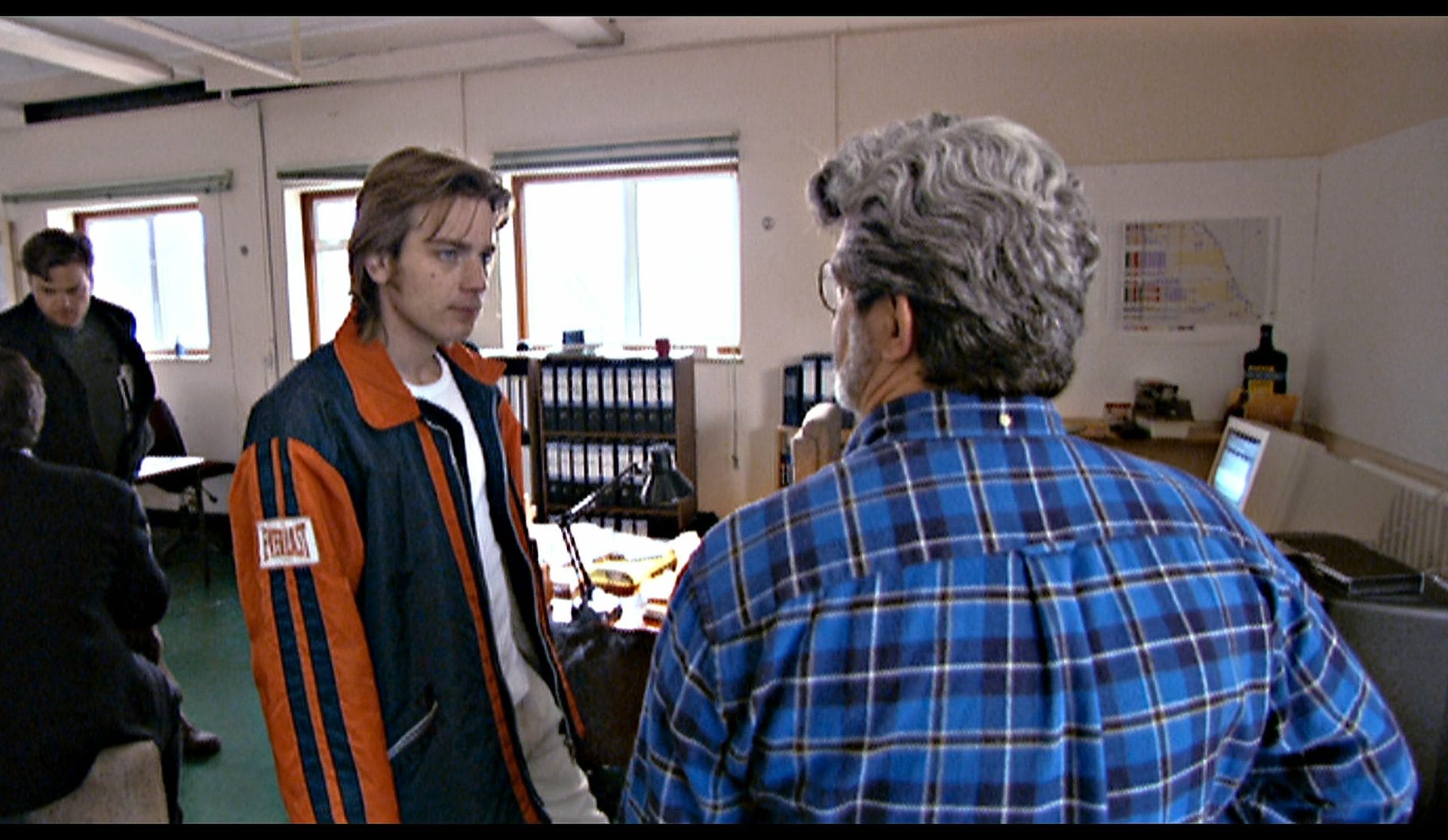
I like to call it “the spark” because that’s what I see in people’s eyes when they passionately talk about something that it’s really meaningful to them; a song, a videogame, or a memory. In this case, it’s his first moment becoming a Jedi and an incredible character in this beloved franchise.
To my surprise, Ewan had that exact face when talking about facing a fully suited Darth Vader for the first time.
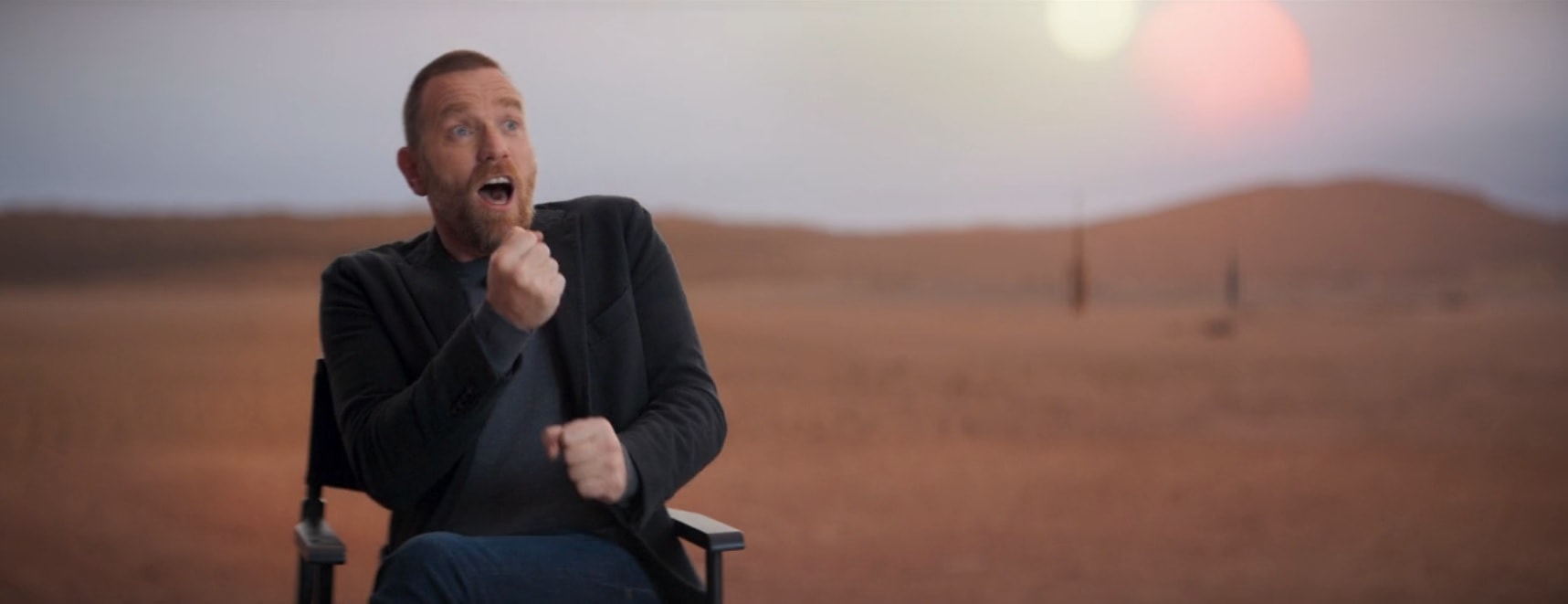
For a brief second, his expression looks like the one of a six-year-old child that’s watching the movies for the first time, I just love to see it.
How to show a broken hero and not fail in the process
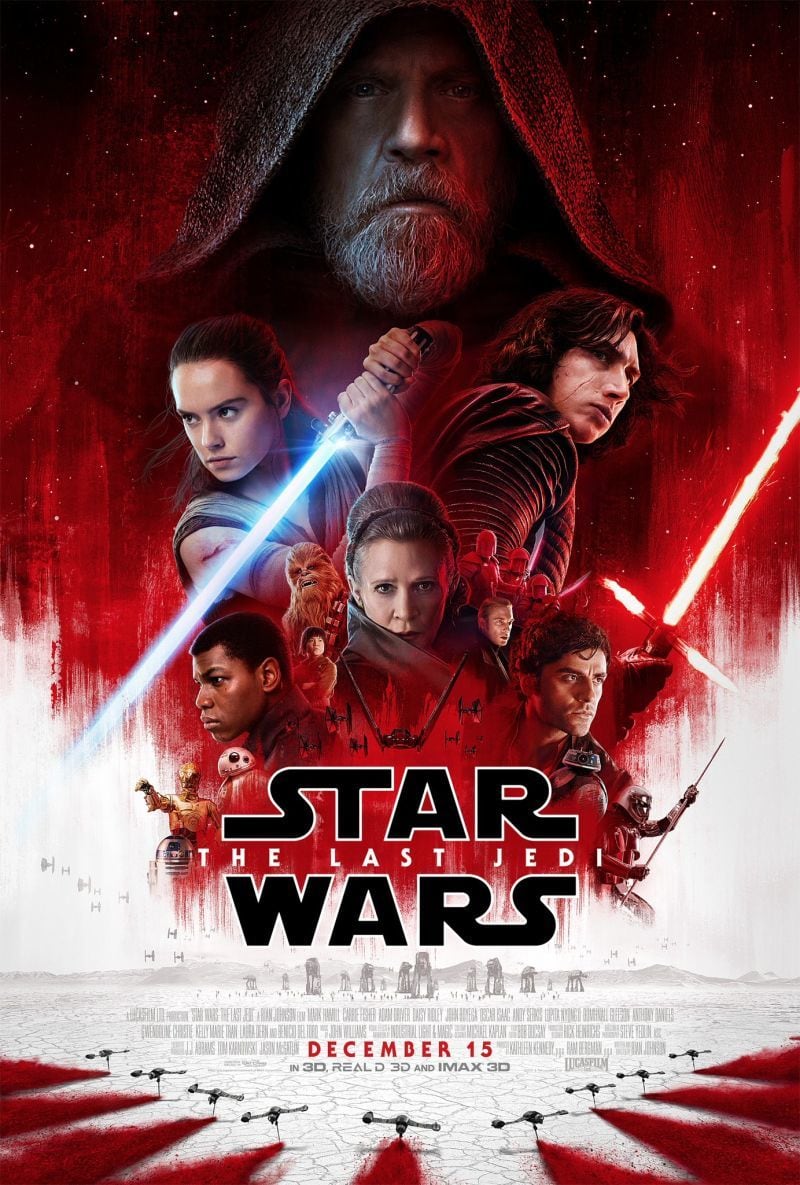
One of the biggest critics of the sequel trilogy is how they portrayed Luke Skywalker. The powerful, wise, and optimistic Jedi turned into a defeated man that abandoned himself and went into hiding so that he could feel sorry for himself.
I wouldn’t have minded that from happening if the storytelling was good enough. The audience wasn’t emotionally prepared to see their hero in such a bad state.
Even Mark Hamill himself declared (in the most polite way) how he disagreed with the portrayal of his character. We got an explanation but that’s about it, we weren’t able to live and process the tragedy with the character.
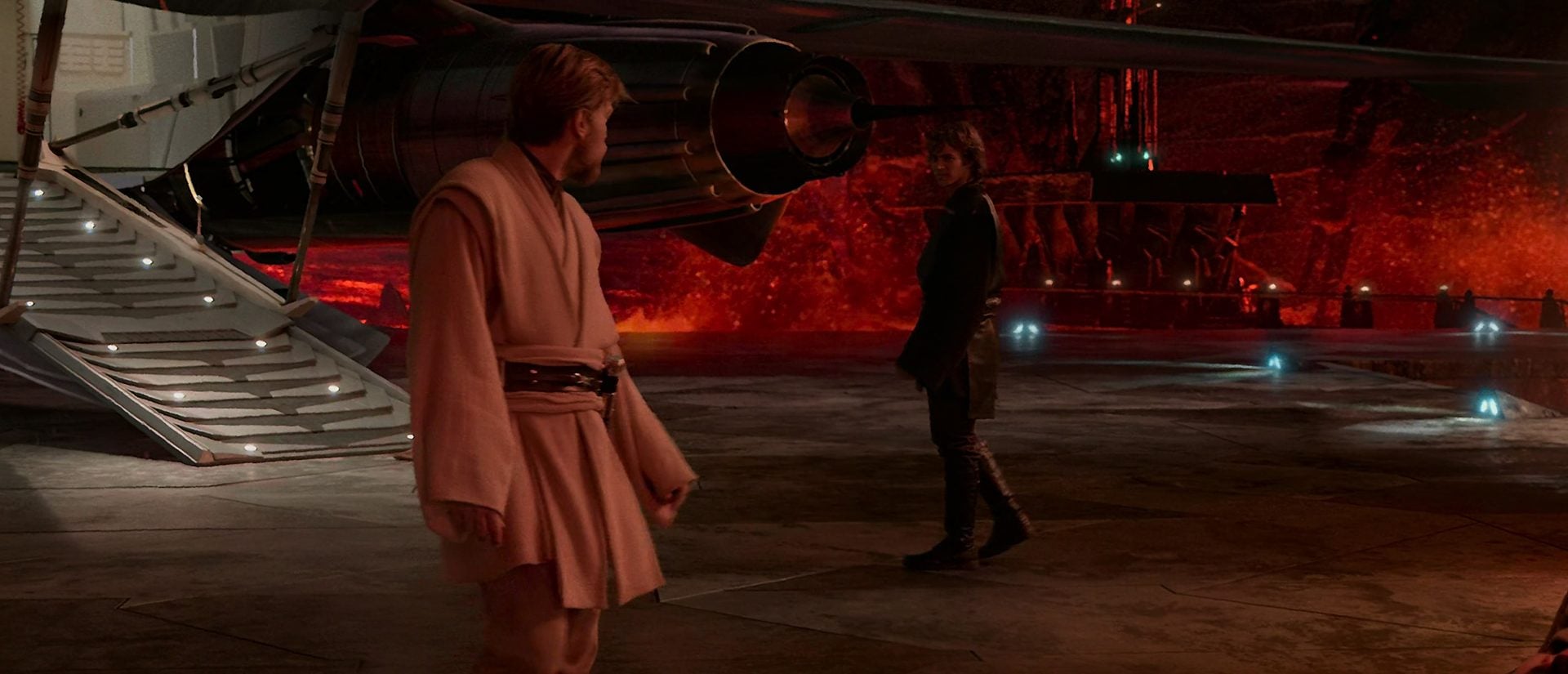
With Obi-Wan, we all remember those minutes after Anakin became Darth Vader. For me, Order 66 is one of the saddest moments, if not the saddest moment in the Star Wars cinematic story. As time has passed, we’ve experienced that moment through different lenses; Clone Wars, The Bad Batch, Star Wars Jedi: Fallen Order, The Book of Boba Fett, and Battlefront II to name a few.
Just to make things worse, Obi-Wan had to face his brother, best friend, and former apprentice. Who wouldn’t break after that?
Speaking of brothers, did you read the Brotherhood book yet? It’s well worth your time if you are a Clone Wars fan.
Having experienced all that made it easier to empathize with Obi-Wan, a former Jedi Master who was one of the most honorable and devoted of the Jedi Order became a sad, broken man who’s unwilling to help even one of his own. This is a story about the man who is Obi-Wan and not the Jedi he used to be.
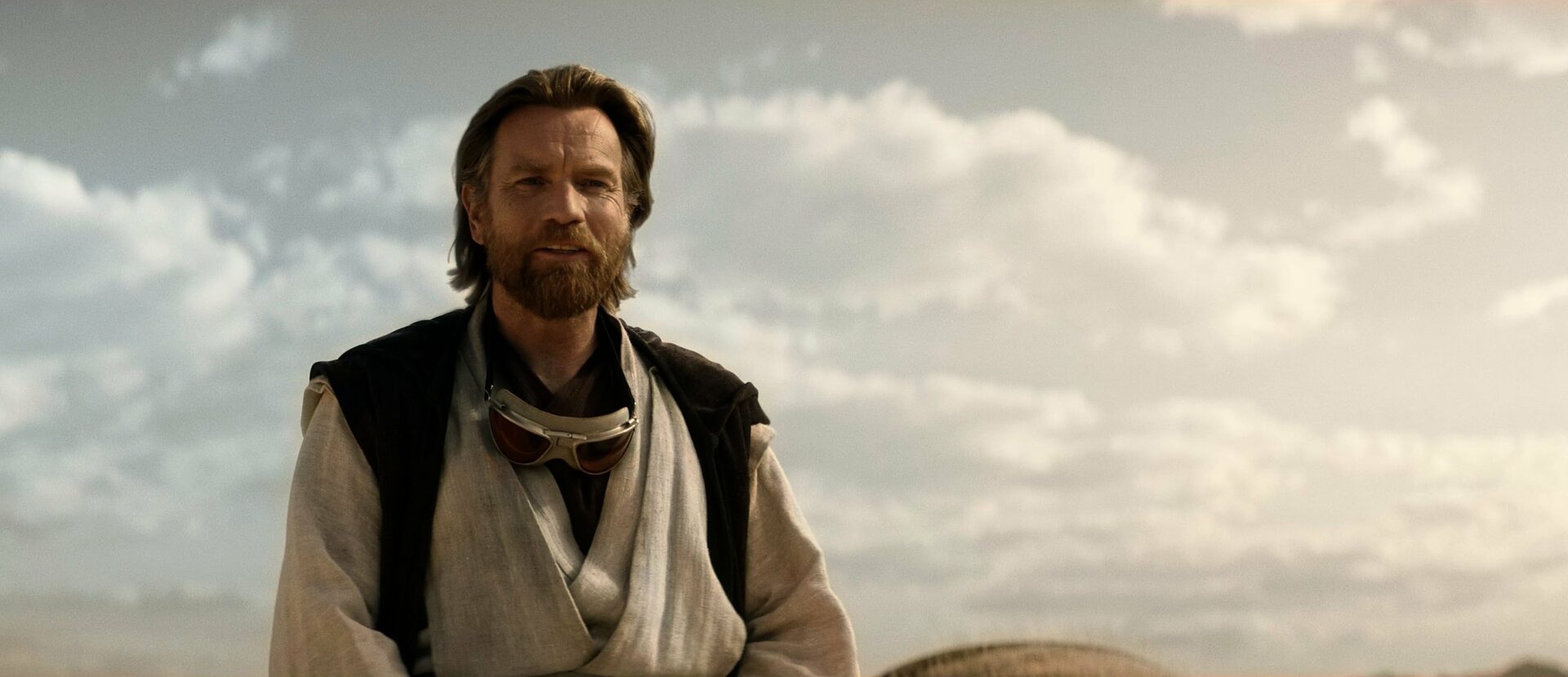
Of course, we all know what happens next and how he redeems himself, but my point is that seeing him down wasn’t just a good thing, it was necessary that it happened for us to fully understand how the character evolves into who we meet in A New Hope.
This isn’t the documentary you’re looking for
In the past months, Disney and Lucasfilm have released behind-the-scenes documentaries of The Mandalorian, The Book of Boba Fett, and Light & Magic.
All of them are different, Light & Magic narrates the evolution process of visual and practical effects across Star Wars and cinema history, while the other two are more focused on the production aspects of their respective series.
A Jedi’s Return does include moments where someone in the production is brought up in the conversation, but it’s not the main focus. A substantial amount of time is spent talking about the emotional relationship of the crew involved, which I think matches the mood of the series.
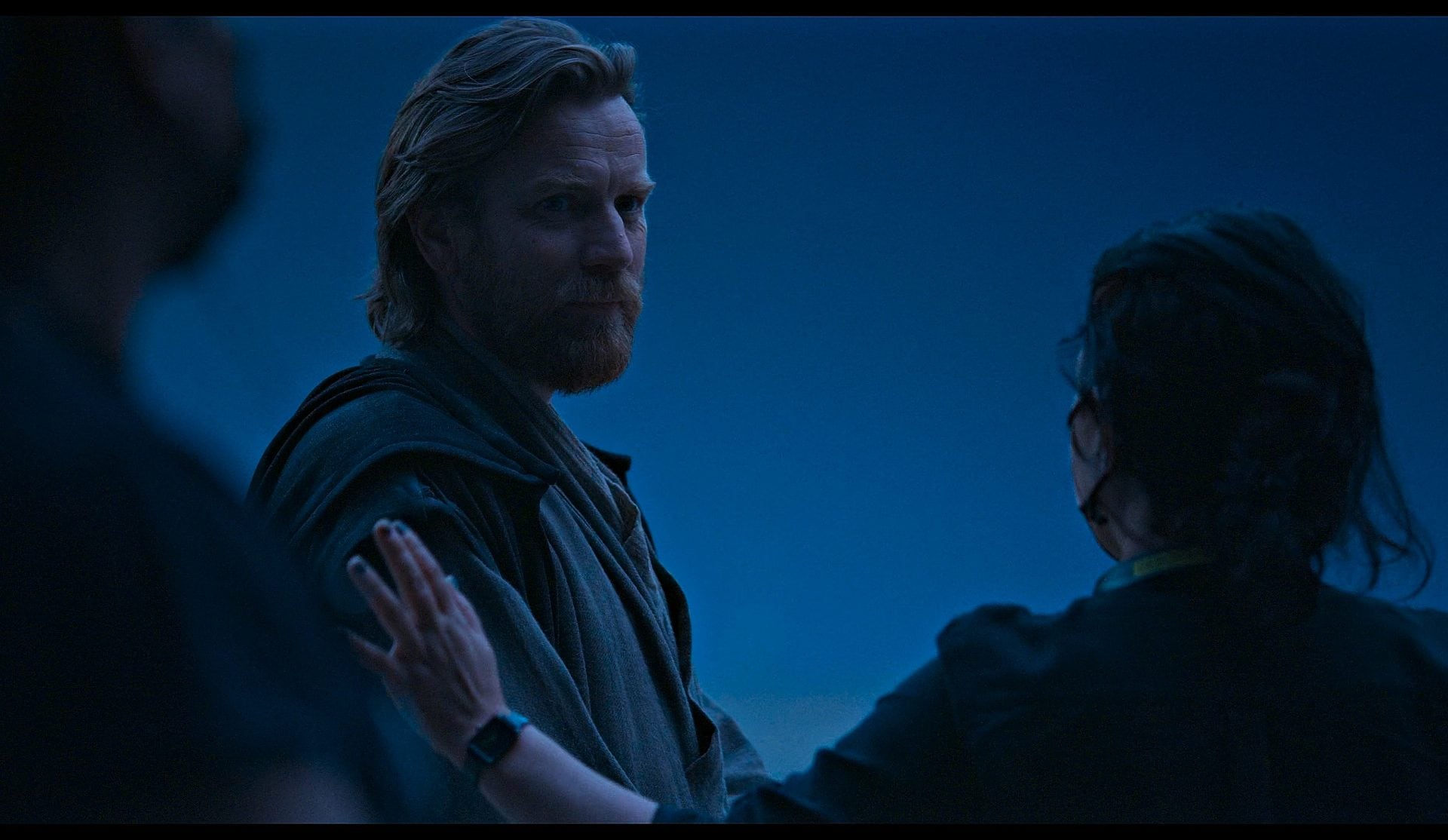
Din Djarin, Grogu, Boba Fett, and Bo-Katan all are amazing characters and we love them, but the connection that most fans have with Obi-Wan and Anakin is on a different level.
Just like Ewan acknowledged, many of us grew up with the prequels being “our Star Wars”. Watching the people involved reflecting on what it means for them and their inner child to actually be in Star Wars is something that resonates with the majority of the fans.
A real-life Master-¨Padawan relationship
By far my favorite part of the documentary, Obi-Wan, and Anakin are the perfect duo. Both of them are completely different, with strengths and weaknesses that perfectly complement each other; the calm-minded experienced master and the brilliant but impulsive student.
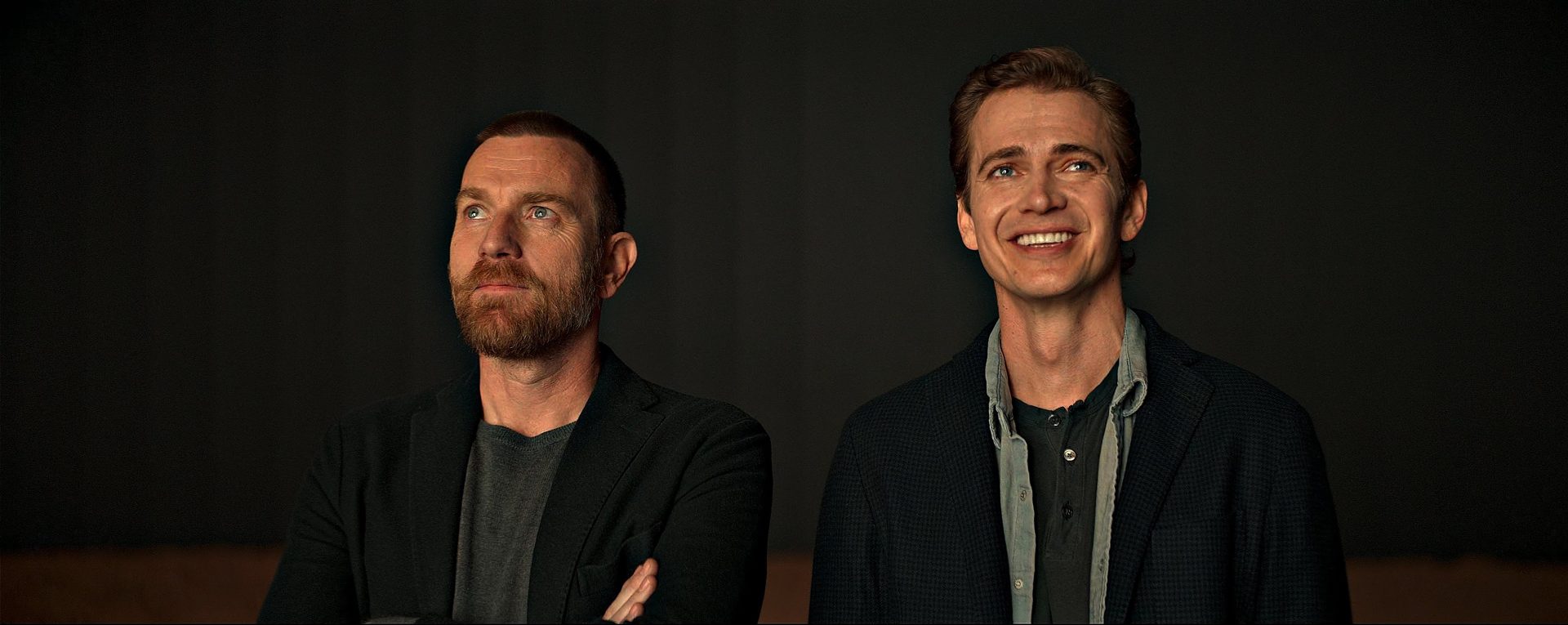
But their relationship is more than just working together, just like Obi-Wan, Ewan calls Hayden his brother.
The scene where they meet after so many years is so wholesome, in that moment (and many others) you can really see how they love and care for each other. Meeting a friend you haven’t seen in years and being able to connect as if time hasn’t passed is one of the best feelings.
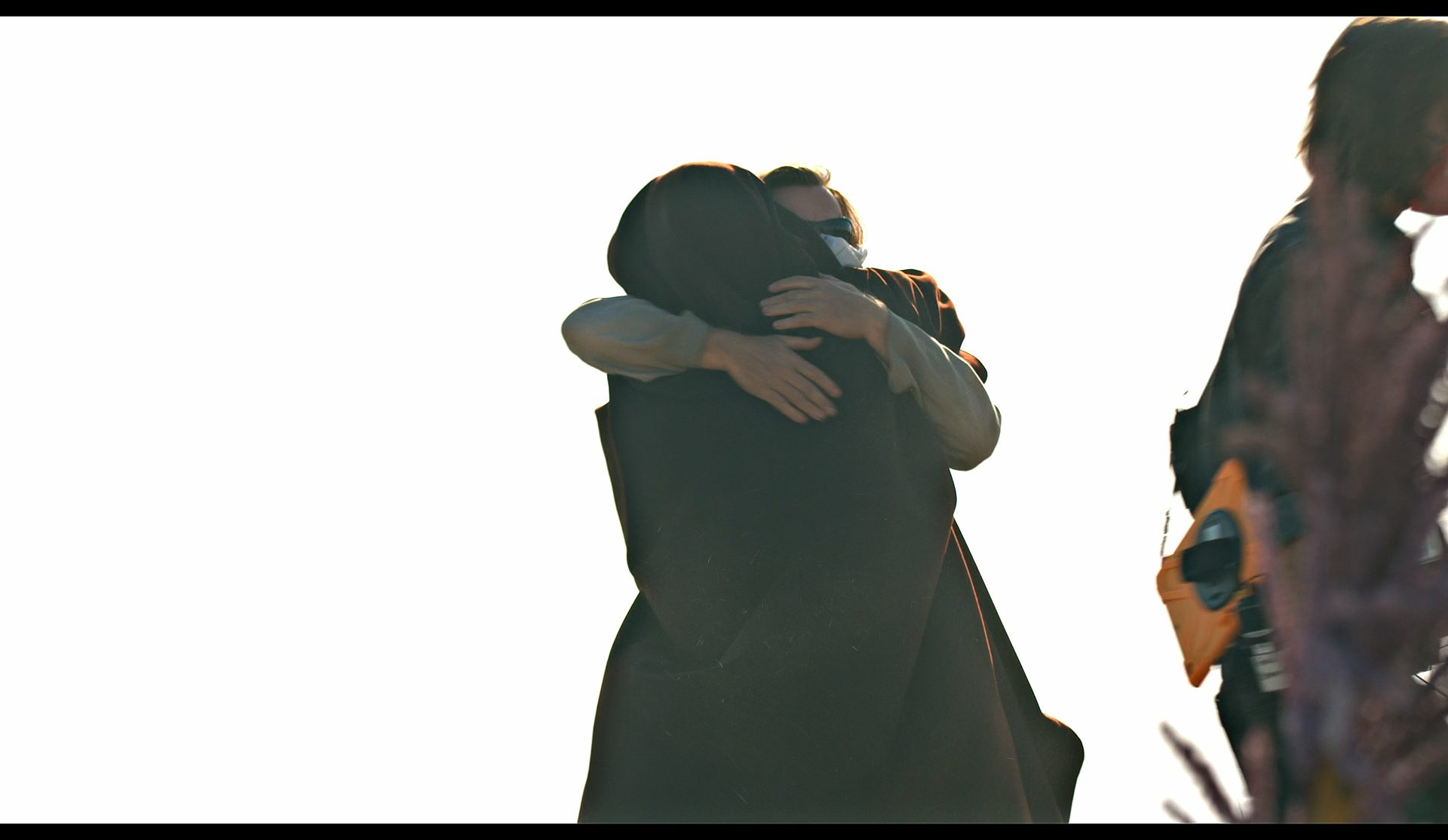
The return of Hayden as Anakin brought so many feelings back and I can’t imagine how both of them felt when reconnecting after so many years.
His return also meant a new face-off between Darth Vader and Obi-Wan Kenobi, for years people wondered what happens between Revenge of the Sith and A New Hope and while there are still many questions, this was a proper closure of their Master-Padawan relationship before their final confrontation in A New Hope.
There’s nothing like Star Wars
This is a statement that has been said many times by thousands of people, this time it was the turn of Ewan McGregor. “It’s just everywhere. I often think about George, back in the 70s, writing A New Hope, and what he must feel about what he’s created.”
To think that forty-five years have passed since A New Hope and know that Star Wars is bigger than ever is nothing but incredible. Action figures, collectibles, comics, video games, series, books, movies, music, costumes, theme parks, you name it. Star Wars is indeed everywhere.
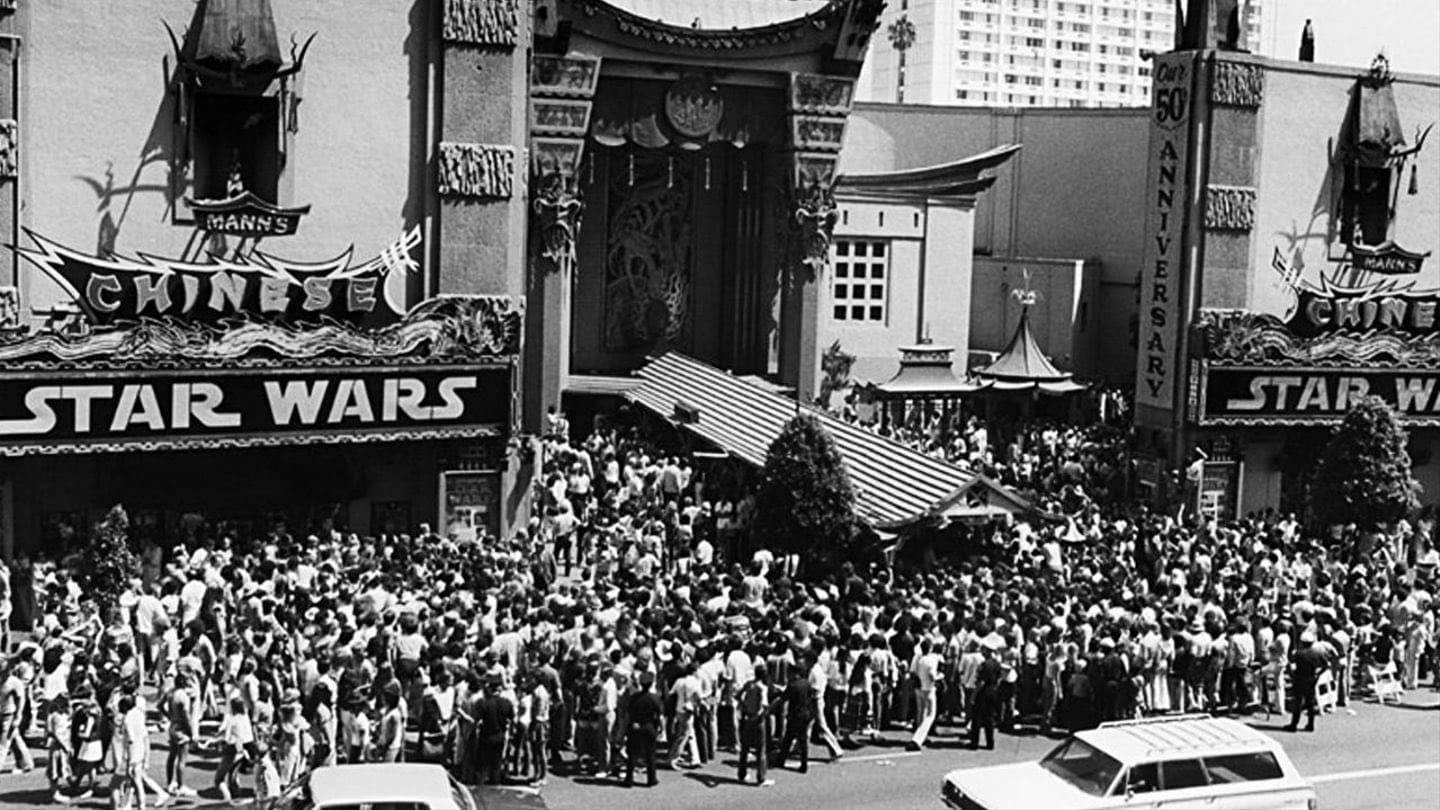
A franchise that transcends nationality, gender, sexual orientation, or political stances. George Lucas’ idea of creating this weird and magical universe that mirrors real life has turned into arguably the biggest franchise in the world.
The elements that Lucas took and poured into his formula to create Star Wars are what make it so easy to get engaged; linguistics, psychology, history, politics, sociology, philosophy, theology, etc.
All of these fields are incredibly important in society’s development and infrastructure, and they all affect our way of living in one way or another.
I think this is what makes it possible that millions of fans from every continent to be able to identify themselves with a character, a story, or a place.
There are many things that you might like or dislike about current or past Star Wars media but it cannot be understated how this franchise changed the entertainment world and many people’s lives.
As you might tell, Obi-Wan Kenobi: A Jedi’s Return made a very good job at making me remember why I love and care so much about Star Wars.
Even if it doesn’t show that many aspects of the production this is a very cool documentary that feels more intimate and personal.
Obi-Wan Kenobi: A Jedi’s Return is exclusively available on Disney Plus. It’s just an hour long so you can watch it in any spare moment of the day, I highly recommend it!
I would like to invite you to (re)live the Obi-Wan Kenobi TV Series through my reviews. Let’s go back and remember why this show was so special for all Star Wars fans!