Star Wars: Edge of the Abyss takes place over a decade after The Mask of Fear. Mon Mothma, Bail Organa, and Saw Gerrera continue to do whatever is in their hands to undermine the Galactic Empire. Though some of these actions are questionable at best.
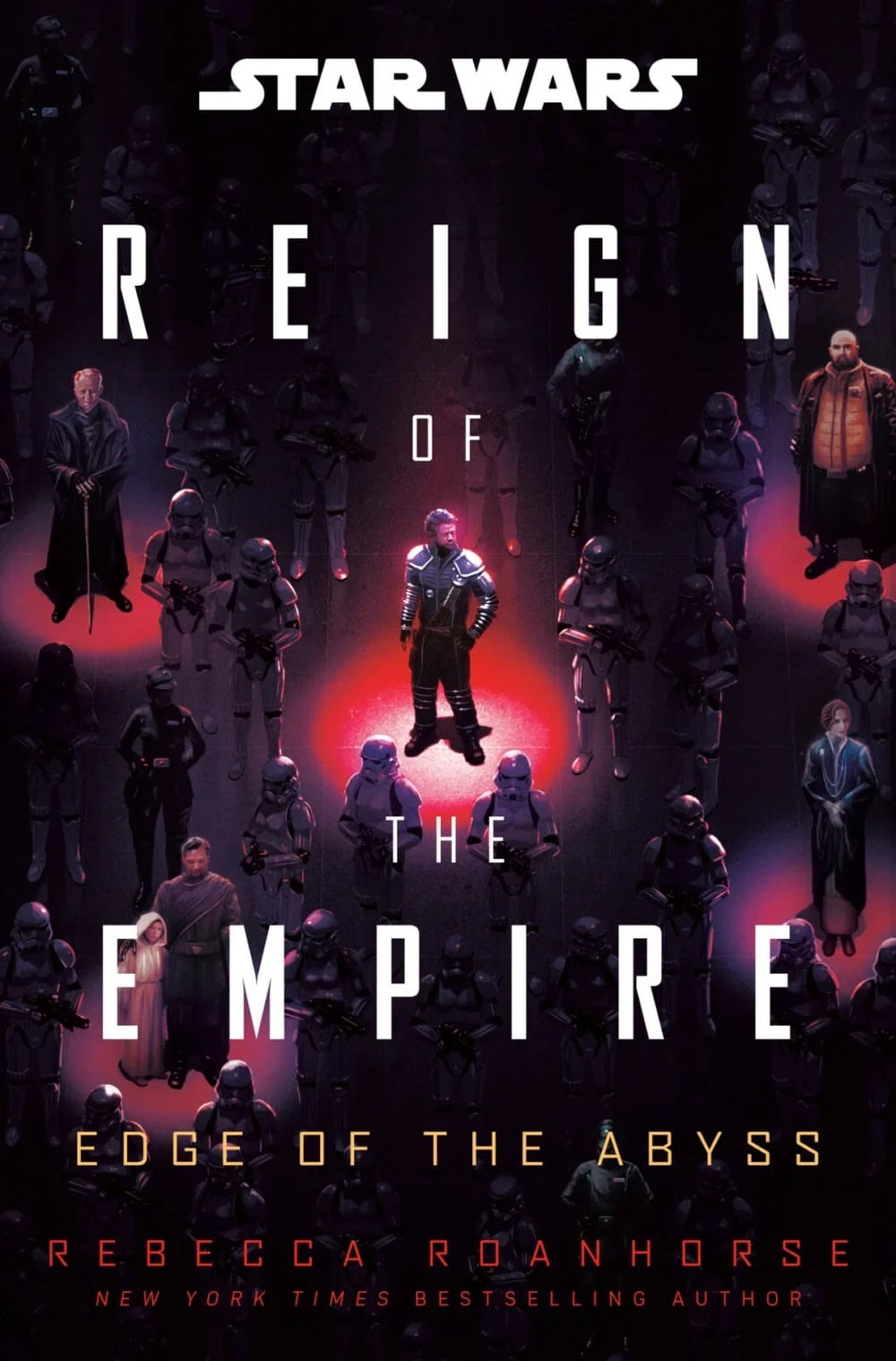
Edge of the Abyss by Rebecca Roanhorse is the second part of the Reign of the Empire trilogy (first was The Mask of Fear). It releases in audio, physical, and digital formats on September 15, 2026. We received an early copy for review.
This review does NOT INCLUDE story spoilers.
Being a Senator during the Empire
Aside from Andor, I don’t think there’s anything as good as Edge of the Abyss when it comes to portraying the reality of what it is to be a member of the Imperial Senate and be against Palpatine’s policies.
While both Mon Mothma and Bail Organa are heavily involved in the multiple plots of the story, it’s Mon Mothma who shines the most, not only because of her vocal opposition to the Empire, but also because of how she has to carefully consider every action and its possible repercussions to her image.
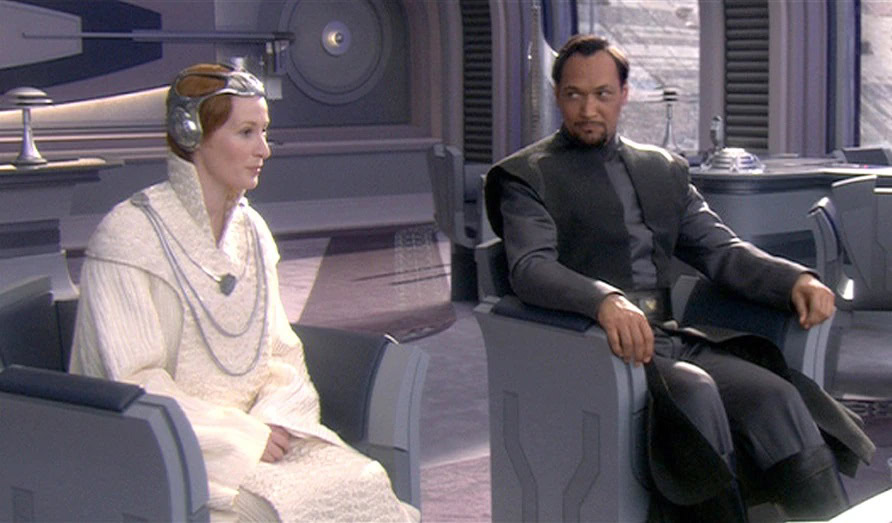
Throwing a massive and ostentatious birthday party for Leida? How is that going to look when she’s promoting a bill whose principles go against something like that?
Public appearances, conversations with Imperials, family matters, and much more. In the game of politics, appearances are everything.
Something surprising is that Mon Mothma adopts a more aggressive stance to obtain what she needs. This isn’t unusual in politics at all, but Mothma is not known for using these techniques, and it shows. Her fierce approach takes the other side by surprise, but they hit back even harder.
Mon Mothma doesn’t anticipate this and is completely powerless in this situation, but Mon Mothma is no amateur, and in the end, she shows why both allies and enemies have a massive amount of respect for her.
Breha and Perrin, two sides of the same coin
Before reading Edge of the Abyss, it never crossed my mind that both Mothma and Organa are living on different sides of a coin.
On one side, we have Senator Organa. He is married to Breha, a brave, kind, and loving wife who is extremely supportive. She is complicit in all of Organa’s endeavors and, like her husband, genuinely cares about the people of Alderaan.
Breha understands that her actions could impact Bail’s reputation and, most importantly, his ability to help people the Empire deems “suspicious”. They’re a team that is doing their best to inherit a better world for their daughter, Princess Leia Organa.
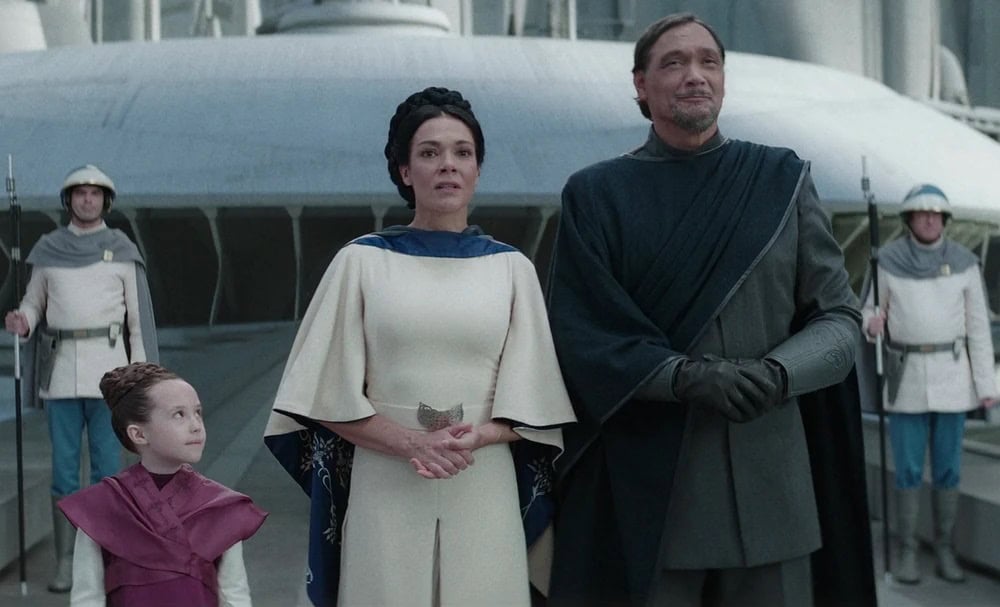
At this point, Leia is a teenager, and she is exactly as you’d imagine. Stubborn, brilliant, with a proper sense of responsibility for someone of her status, and apathetic to what other girls of her age find interesting. Boys, pop artists, makeup? Leia doesn’t have time for that; she’s preparing to, eventually, continue the legacy of her parents. Mon Mothma describes her perfectly: She has the best attributes of her parents.
Then, we have the opposite with Mon Mothma. She is married to Perrin Fertha, a man who is more concerned about drinking, gambling, and purchasing vintage speeders than about Chandrila’s people. Unfortunately, Leida is just like her father. A spoiled, shallow, self-centered teen who couldn’t care less about what happens in the galaxy as long as it doesn’t affect her.
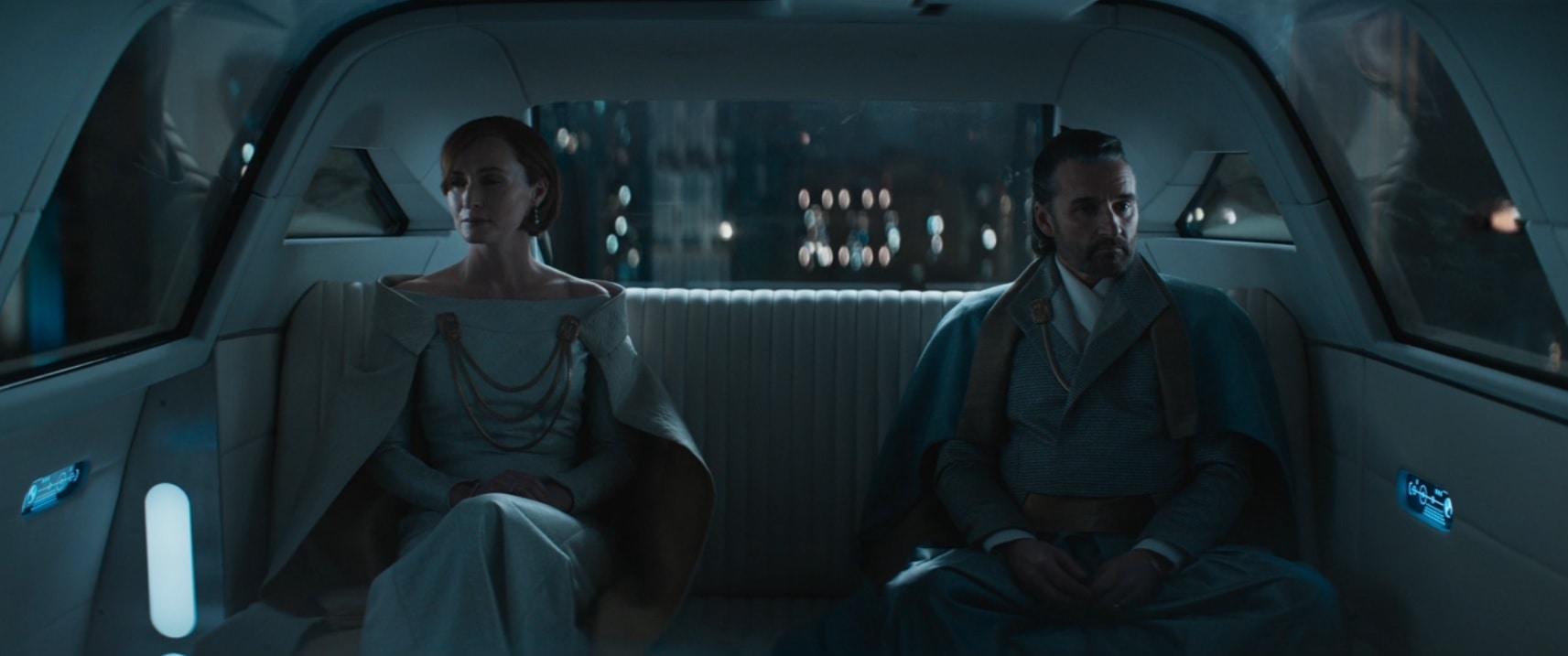
Instead of being supported by her family, Mon Mothma’s estate has become a second battleground where Perrin and Leida are always teaming up. To be fair, Mothma has clearly neglected them in favor of her political career, but it’s still interesting to see how she and Bail have opposite experiences with their respective families.
The life of a pawn
Edge of the Abyss introduces a wide selection of fantastic characters. Even if they’re secondary, they are created so well that I actually got invested in their stories. Unfortunately for them, not all had happy endings. This book does a fantastic job of showing how most people are pawns being used by the people who actually pull the strings.
Saw Gerrera, Luthen Rael, the ISB, or even Bail Organa. All of them present an idea to someone they know is predisposed to accept, and eventually carry out whatever task they’re given.
However, it’s always with an ulterior motive. Sure, there’s a main goal, but those at the top always have additional objectives they aspire to reach. Very often, without putting much thought into the consequences for the poor soul who is being trusted with said job.
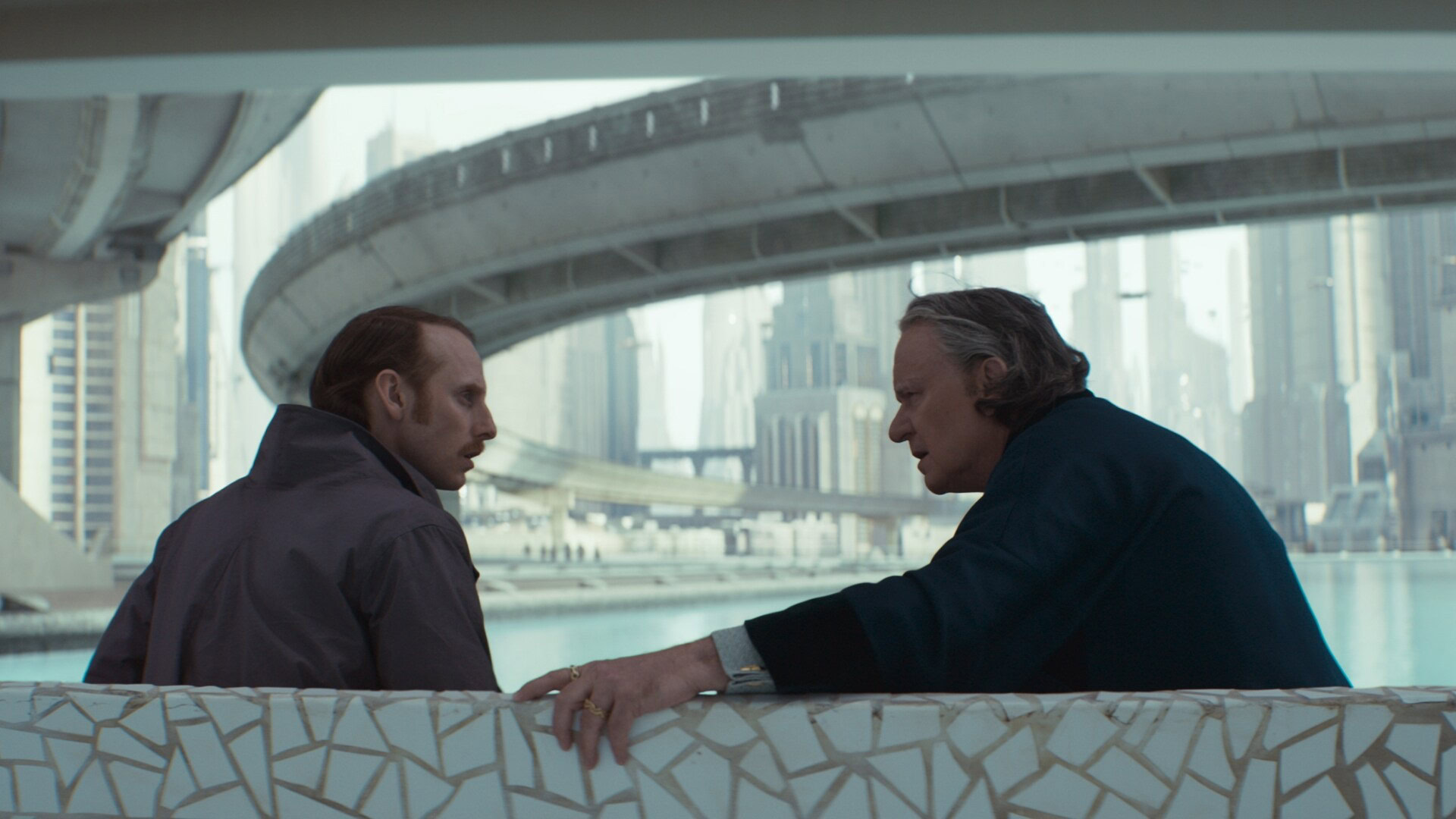
What I liked a lot about all of this is that it shows the sacrifices that both sides have to make, even if it involves deceiving one of their own people. An Imperial Intelligence Officer, former associates/friends, a good public servant who is trying to help others, idealist students, a famous singer, or someone who is desperate to prove himself useful in the war against the Empire.
It really shows how politics and war are a chessboard where even the Queen is a piece being controlled by the real player.
A lecture about propaganda
Andor is a great example of how propaganda is used to create a narrative that is used to eventually justify the most heinous actions. Arresting and torturing civilians, displacing communities, or even committing genocide. Ghorman was the final result of what I just mentioned, though we didn’t really learn how it all started.
Well, that has changed with Edge of the Abyss. This book lets us see the early stages of it from multiple angles. How the ISB designates their targets and the reasons behind it, the way Imperial spies use social engineering to infiltrate a group of interest and tear it down from within, and how their targets’ lives are changed forever after everything is done.
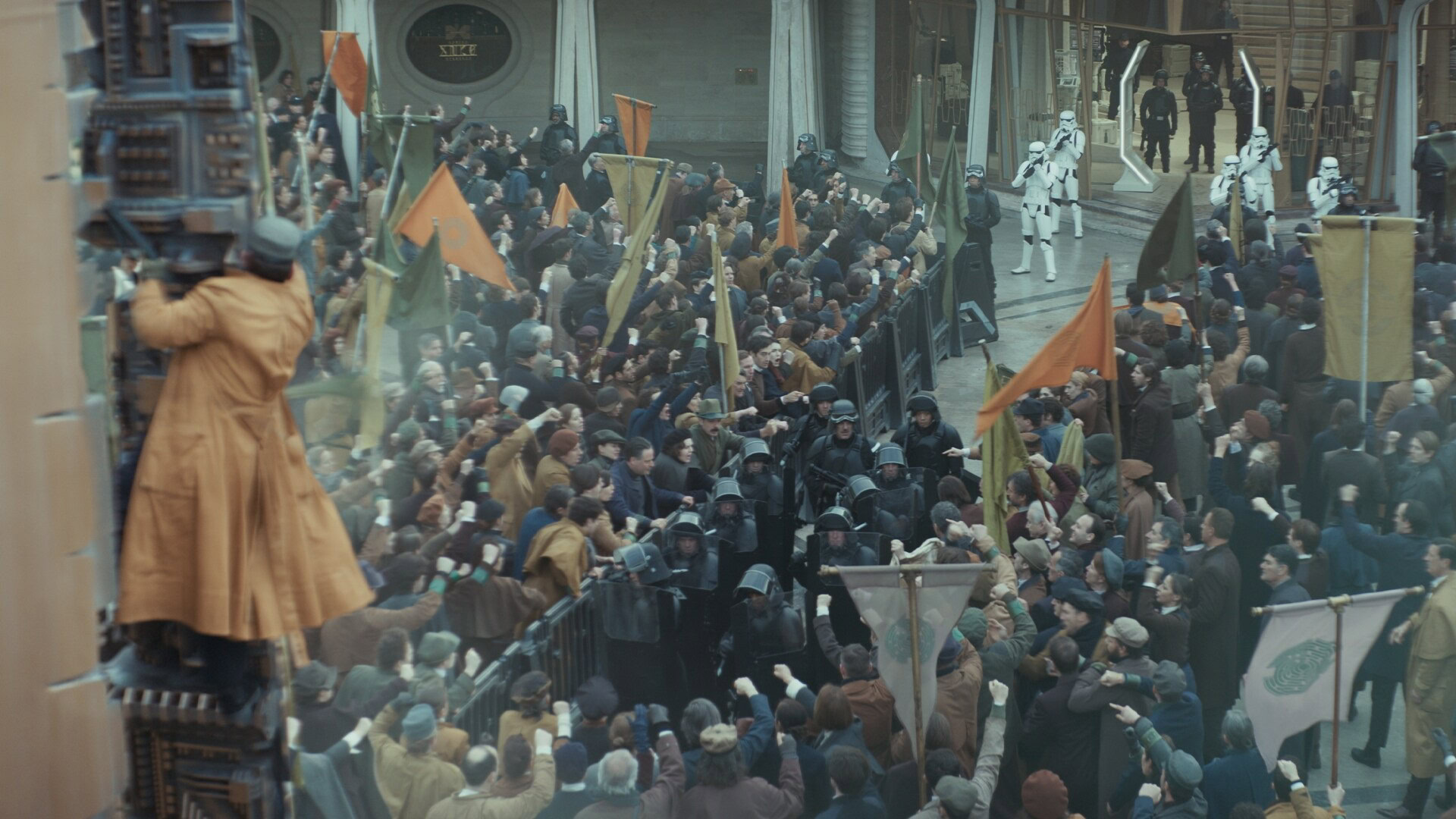
Additionally, Edge of the Abyss expands how the Galactic Empire is exploring new ways to influence young people. It’s not just controlling the news given on the Holonet; they’re also trying to introduce subtle but powerful Imperial propaganda on cultural phenomena whose public is the future citizens of the Empire.
They’re basically attempting to remove any future opposition before it even has a chance to start. A genius tactic that is, unfortunately, not just something that exists in a fictional universe.
A bittersweet climax
My only complaint about this book is that the climax was way too quick. Everything was building up to it, all the intertwined character stories connecting into three different moments that would define the outcome of the story and the respective consequences for the characters involved.
One of them was a disaster for those who participated. Everything went wrong, and they ended up blowing up the plan. As a result, a few people who were angry protesters quickly became wanted criminals who will likely never get to experience real freedom ever again.
The second wasn’t as eventful, but I still enjoyed that it provided closure for a character while also leaving an opportunity for future appearances.
The third event happened in a very unexpected way. Out of nowhere, a new variable appeared in the room. At the beginning, I disregarded it, but after a few minutes later I was completely shocked by what had just happened, and most importantly, who made it happen.
I don’t want to reveal more to prevent spoilers, but I’ll say that this was my favorite moment of the book. In retrospect, the story gave clear hints about it, but I never believed that it would come to it.
All three outcomes were very appropriate in their own way, though I wish I could have enjoyed them a bit more. Especially the first one.
Listening to the audiobook
Just like The Mask of Fear, Edge of the Abyss is narrated by January LaVoy. Her Mon Mothma impression continues to be the best one I’ve heard so far. It’s not just about how similar her voice is, but the inflection, tone, and the way she emphasizes some syllables give it the perfect touch.
Since many of the characters who appear in the story are women, she does a lot of different voices. All of them have a unique touch that makes them easier to identify. Surprisingly enough, she manages to do very respectable impressions of Bail Organa, Saw Gerrera, and other male characters.
The music is not as present as in other Star Wars audiobooks, which is a bit disappointing, but given the type of story and context, it makes sense not to fill it with exciting and fast-paced music. If you have the chance, I suggest that you give it a listen.
Final thoughts and Review Card
Star Wars: Edge of the Abyss (Reign of the Empire) is a fantastic story that explores the complexities of being a person of interest during the rule of the Galactic Empire. Senators, spies, terrorists, ISB agents, students, public servants, or celebrities. No one is truly safe from the inevitable crusade that comes with it.
Edge of the Abyss has ties to stories that we all know and love. The prequel trilogy, Clone Wars, Rebels, Andor, Rogue One, its prequel The Mask of Fear, and even the recently released Star Wars videogame Zero Company. Obviously, not all of them to the same degree, but it’s always so cool to see little things that connect this universe.
This story doesn’t have as much “action” as other books. Instead, it’s focused on complex characters, intertwined stories, ethical dilemmas, and lots of politics. If you like Andor, this is a perfect story for you.
Star Wars: Edge of the abyss (Reign of the empire)
Author:
Rebecca Roanhorse
Format
Adult Novel
ERA:
Publisher:
Penguin Random House
RELEASED:
September 15, 2026
LENGTH:
336 pages
11h 44min
For:
Fans of Andor
Similar:
Strengths
Lots of great characters
Sets up some of the events shown in Andor
Connects multiple stories without it becoming confusing
It never feels boring
Weaknesses
Climax happens in the blink of an eye
Ratings
Final Verdict
4.8
Average of the first 5 Categories
This is an Amazon Affiliate link. Learn what this means.