
A grounded, essential biography of a humble artist who quietly transformed how the world hears the movies!
I vividly remember the time when I bought my very first album. It was the first time in my life when I felt the desperate need to own a piece of music on some kind of physical media, to be able to hold it in my hands, to play it again and again.
It was an audio cassette collection of iconic Star Wars compositions by the one and only John Williams.
I must have been around ten, and yet the name of the Hollywood composer was as familiar to me as the biggest music stars of the day.
I had been a fan since my dad had taken me to see Jurassic Park at the cinema some years earlier and then I had realised that the same brilliant mind was responsible for the themes from Star Wars and Indiana Jones.
I rushed to the cassette player, I put the tape inside, pressed play… and the glorious magic of the maestro poured, elevating me, transporting me to distant worlds and faraway galaxies, causing cinematic scenes to come to life in my mind with graphic detail…
A book long overdue…
What John Williams does is simply beyond description, it can be felt, but it cannot be ever fully put into words.
It is something far more than writing and conducting breathtakingly beautiful soundtracks which complement the film and intensify its dramatic impact and emotional value.
It is something etheric, spiritual and utterly brilliant, which has enchanted me and made me appreciate symphonic music from a very early age. His work touches my soul and quite often brings tears to my eyes. And yet… What do we know about John Williams?
It seems to me that this genius of our times has let his work speak for itself, and whenever I see or hear him in interviews, concert recordings, bonus materials or film commentaries, he is always utterly humble, putting the craft first, never truly enjoying the limelight.
Williams is easily the most recognizable composer alive, yet his personal life has spent decades hidden behind standard studio press releases and a quiet demeanor.
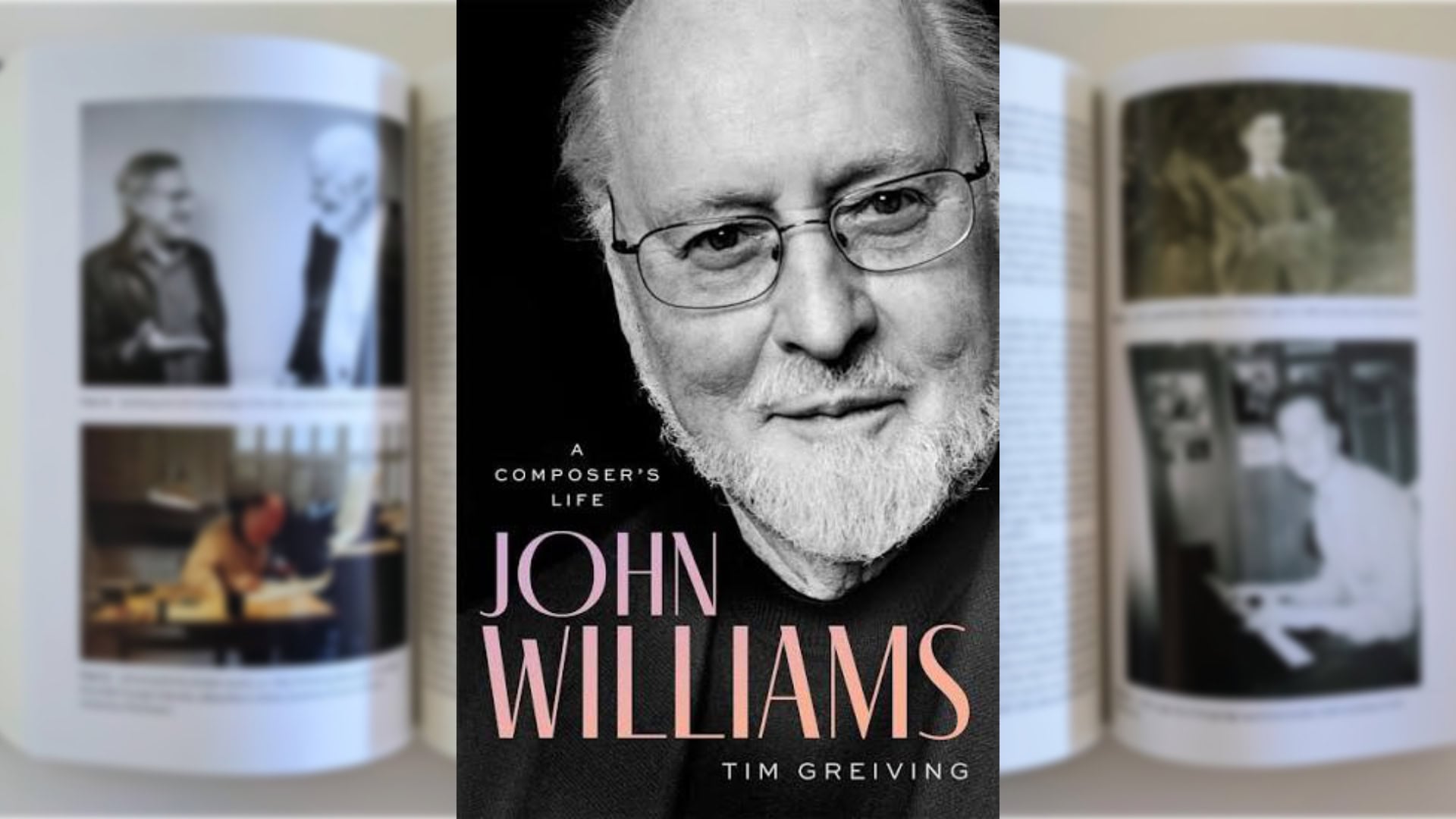
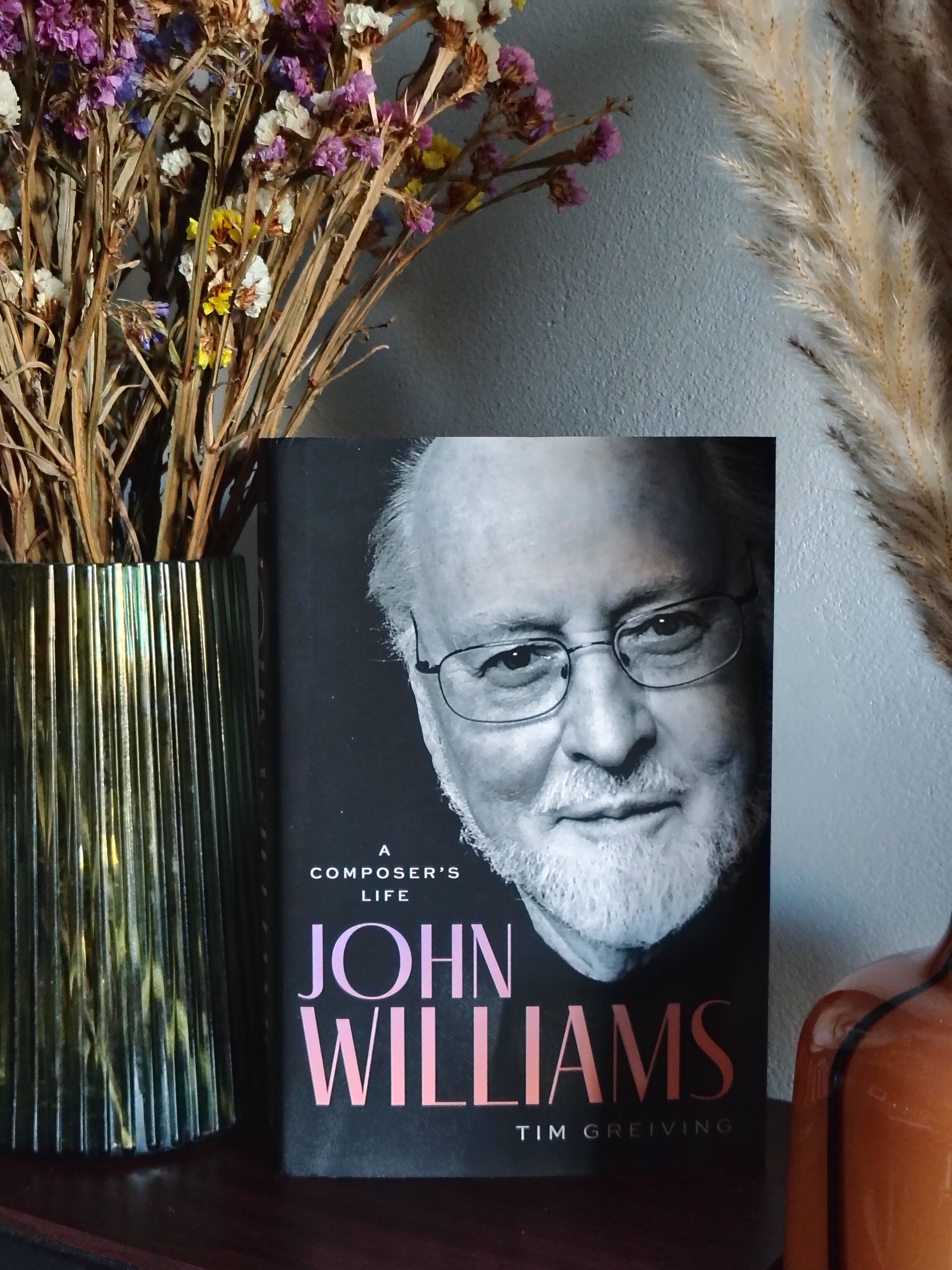
Maybe it is high time for that to change! When Oxford University Press published Tim Greiving’s John Williams: A Composer’s Life, it filled a glaring gap in modern music history.
Dwelling into details
Structurally the biography traces Williams’ evolution from a young jazz pianist and television arranger to Hollywood’s preeminent film composer and long-standing music director of the Boston Pops.
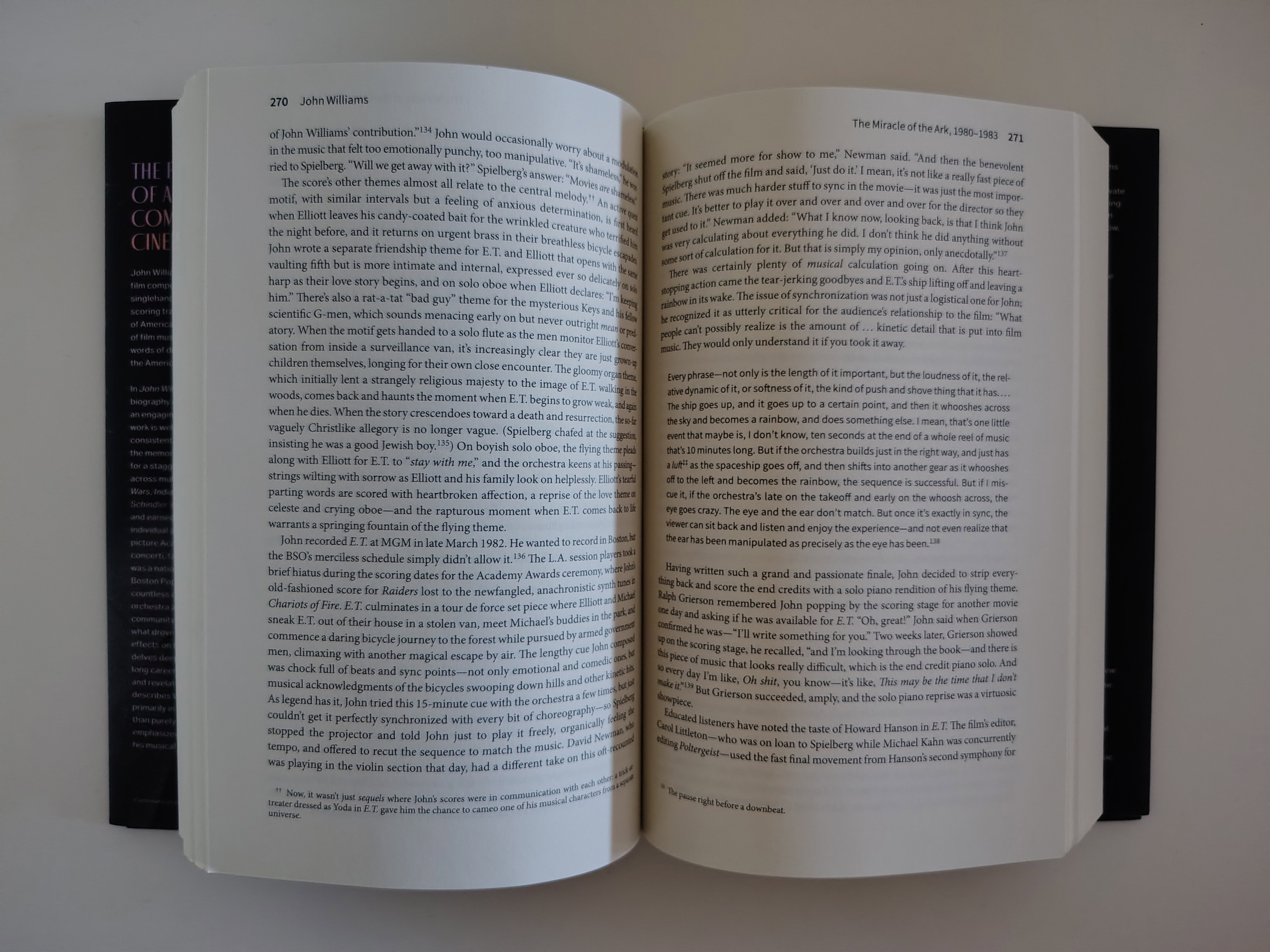
Greiving avoids dry, academic jargon, opting instead to explain how the music functions dramatically.
When I started the book I was a bit hesitant, wondering if I won’t be overwhelmed by musical terminology and other specifics that would stumble a casual reader, but that was not the case.
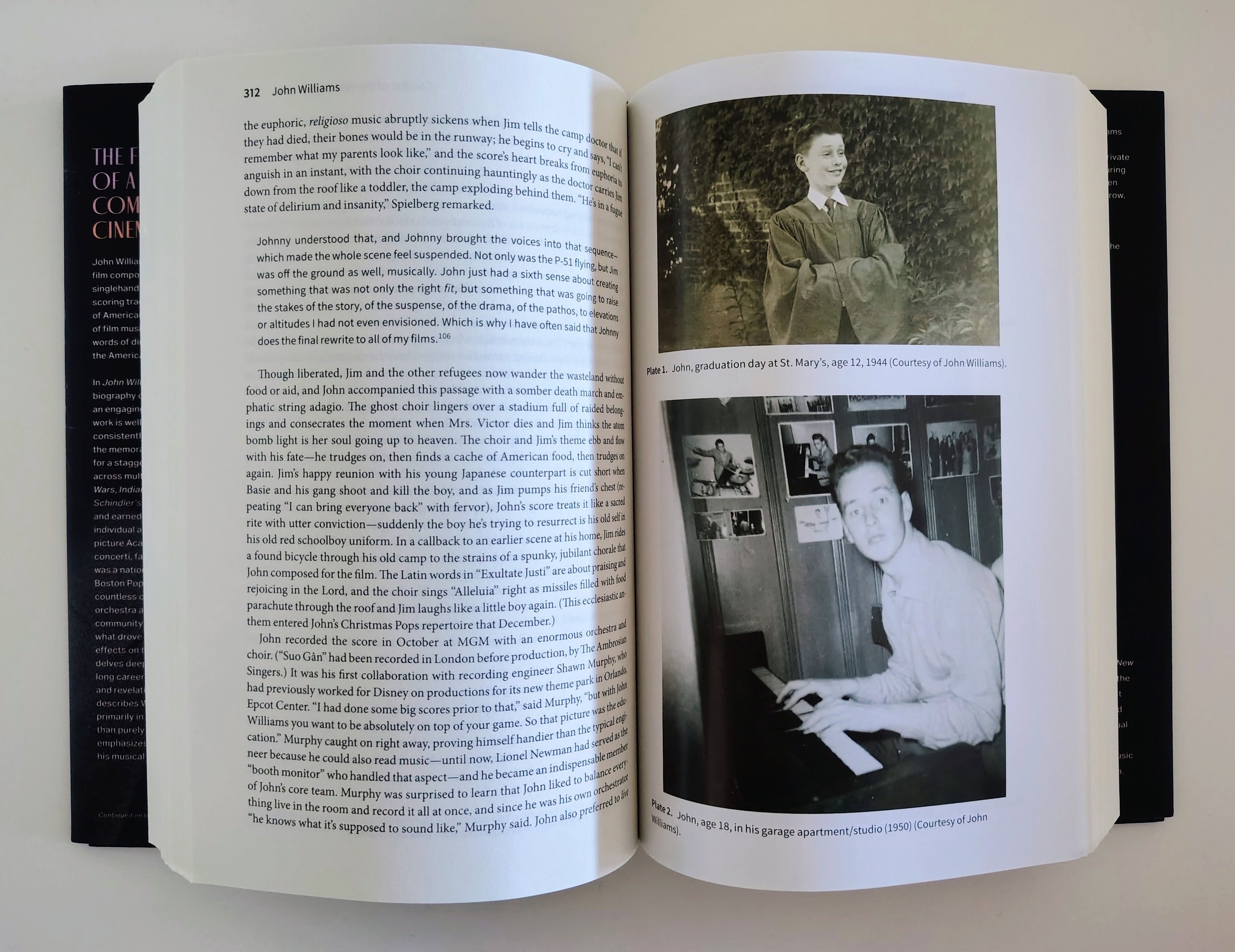
Star Wars fans in particular won’t be disappointed as Greiving explores the maestro’s impressive body of work in extensive detail all the way up to present days.
The author details how Williams talked George Lucas out of relying on 19th-century temp tracks for Star Wars, building an original network of brass and string motives that gave the film its grounding.
But A Composer’s Life covers not just Williams’ work on the first two trilogies, but also his late career and adaptability during various Star Wars-related projects.
We even read about navigating the turbulent post-production of The Rise of Skywalker while simultaneously scoring Disney’s Galaxy’s Edge theme park attractions.
Personal in more ways than one
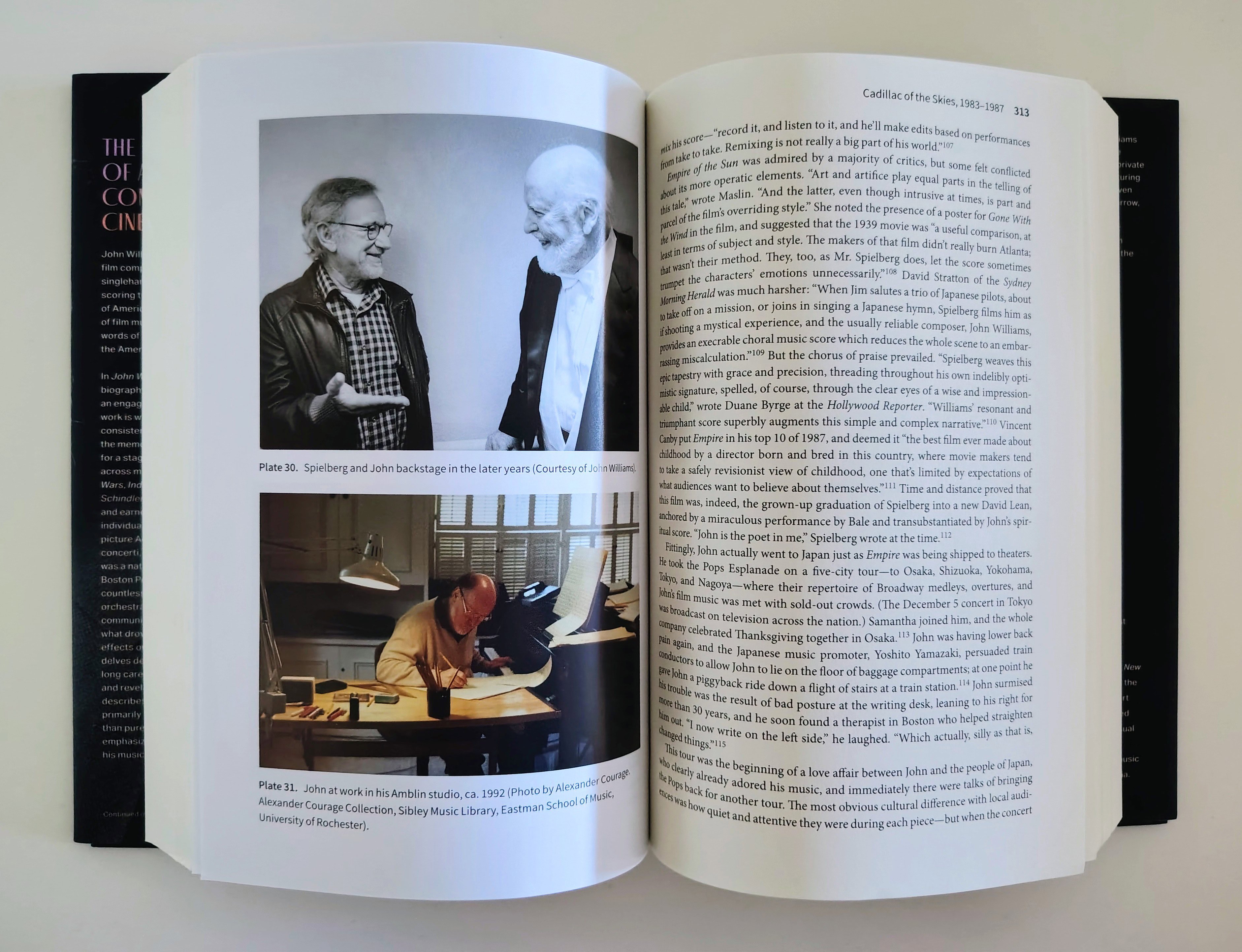
However, the biography is strongest when uncovering the human side of a man who still views himself as an ordinary craftsman.
Greiving explores the lasting weight of his wife Barbara Ruick’s unexpected death in 1974 and records small, late-life moments – such as a 91-year-old Williams traveling to Japan in a Boston Red Sox jersey to sit beside his frail friend, conductor Seiji Ozawa.
He also tracks the shift in Williams’ reputation among classical gatekeepers, showing how mid-century modernists dismissed his work before conductors like Gustavo Dudamel began placing his scores next to Mahler and Stravinsky.
What cinema fans have known to be true for decades is now finally obvious even among high-minded modernists who once sneered at film music and refused to place it on equal level with the classical canon.
Final thoughts & Review Card
At times, the sheer number of studio anecdotes and secondary scoring entries slows the pace. However, Greiving’s clear prose and direct access keep the narrative grounded.
The result is a grounded, essential biography of a humble artist who quietly transformed how the world hears the movies. Greiving’s book balances Williams’ monumental cultural imprint with an intimate look at a famously private figure.
Williams consistently refuses high praise, once describing himself to colleagues as “just a cobbler” next to classical gods like Debussy and expressing initial reluctance toward any biographical project. But I think I speak for everyone when I say that we are all immensely thankful that such a book now exists!
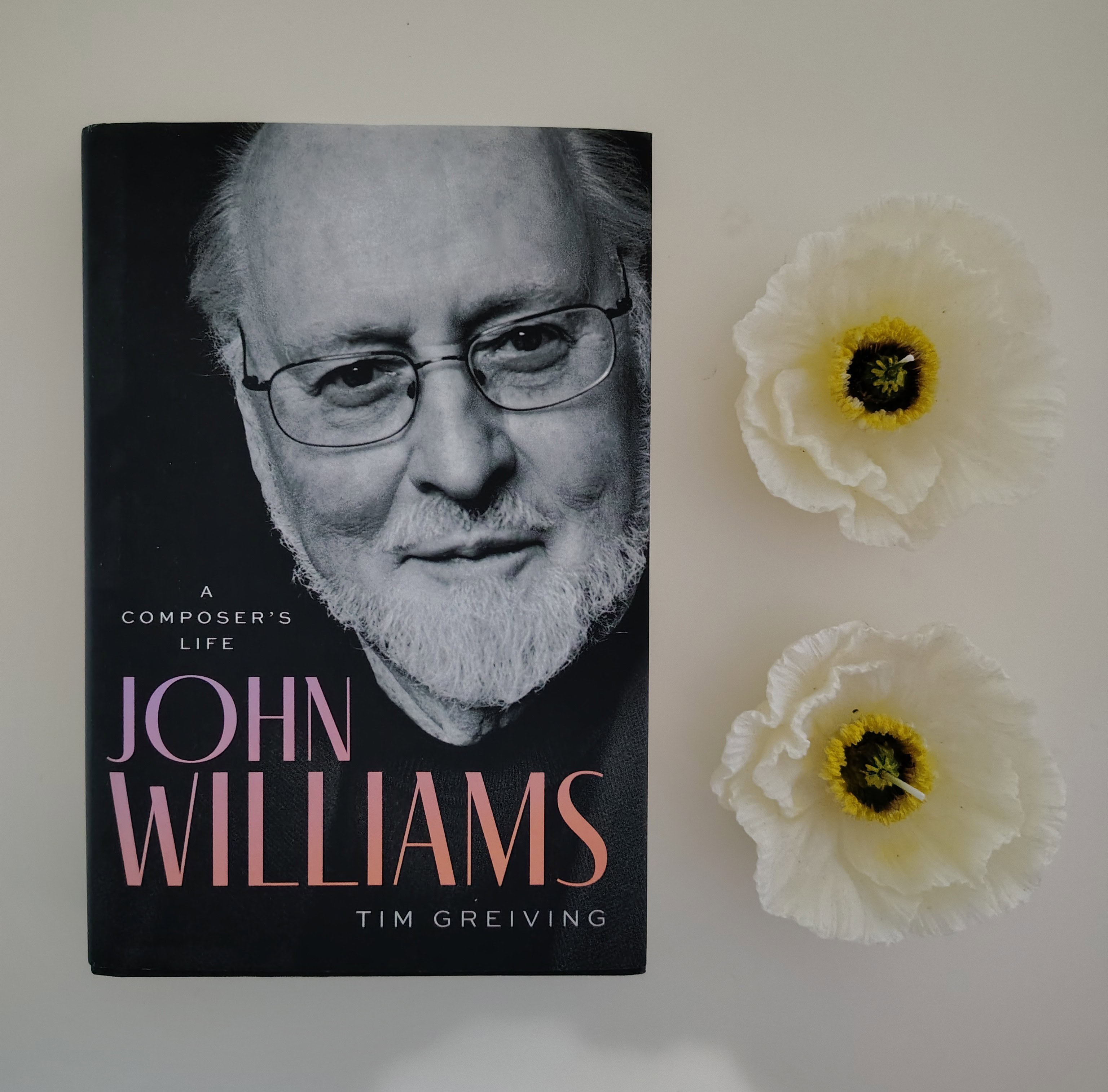
If the topic is as fascinating to you as it is to me, you can also listen to this greatly informative podcast with the book’s author:
John Williams: A Composer’s Life
Format
Book
Genre:
Biography
Publisher:
Oxford University Press
RELEASED:
19 June 2025
In Print
1 September 2025
LENGTH:
640 pages
33h 46min
Author:
Tim Greiving
narrator:
Jonathan Todd Ross
For:
Fans of John Williams
and film music
Strengths
Extensive biography, possibly first of its kind
Solid research, numerous sources and interviews
Smooth and engaging style
Weaknesses
Could have concentrated more on personal details
Print version would read easier with larger font (but then it would weigh and cost more!)
Ratings
Final Verdict
4.6
This is an Amazon Affiliate link. Learn what this means.