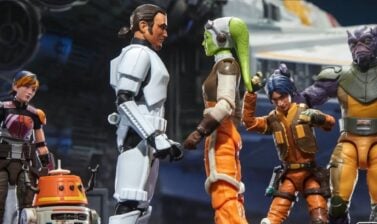
It had a rough theatrical debut in 2008, but George Lucas’s final Star Wars film laid the groundwork for Ahsoka Tano, Dave Filoni, and everything that followed.
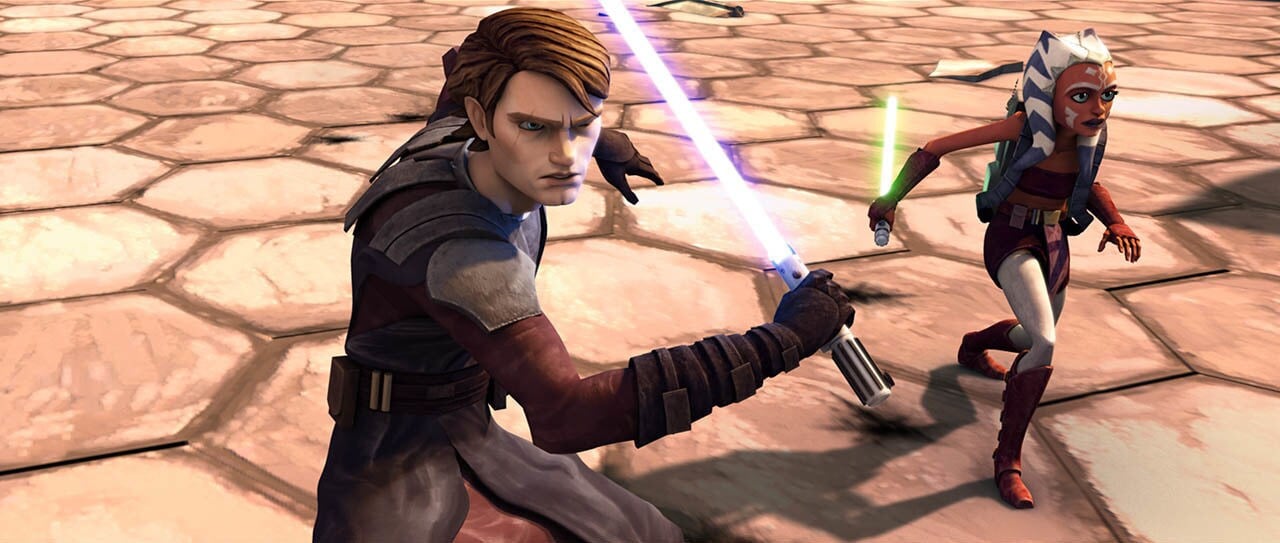
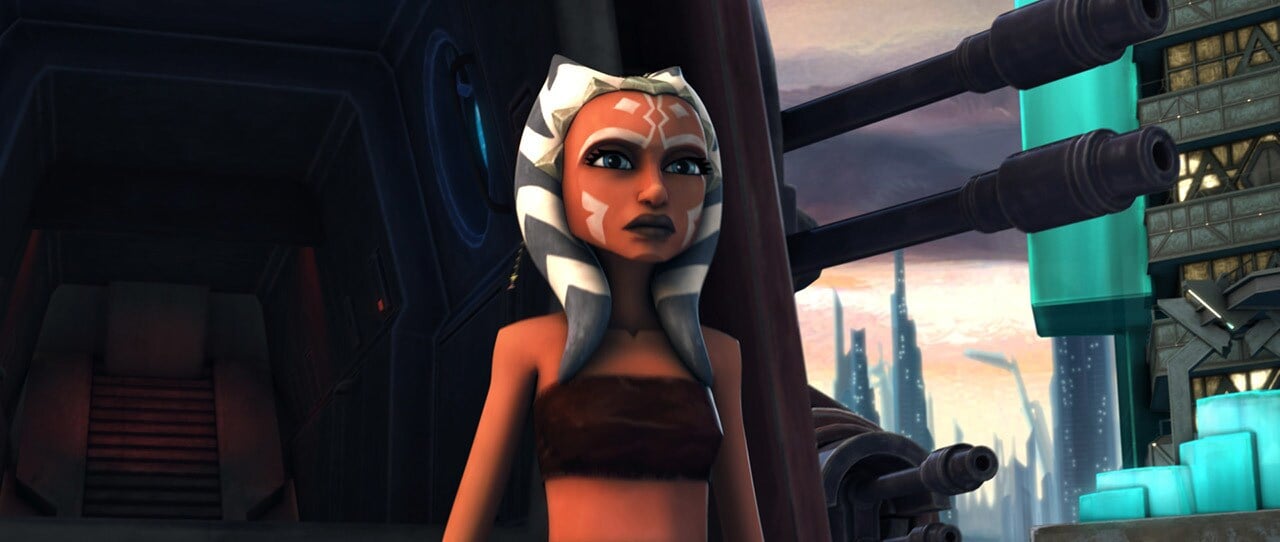
Do you remember a time when we first met Snips… I mean, Ahsoka? When all of a sudden, we got to know that Anakin Skywalker had a padawan and she was a feisty teenager who called him Skyguy?
Do you remember how she saved Stinky? And who in the world would have guessed that some eighteen years later Jabba’s (and our) beloved pedunkee mufkin would turn into a buff arena champion Rotta the Hutt?
Well, pour yourself a cup of caff or maybe Cassius tea, and join me for a nostalgic look back at The Clone Wars movie!
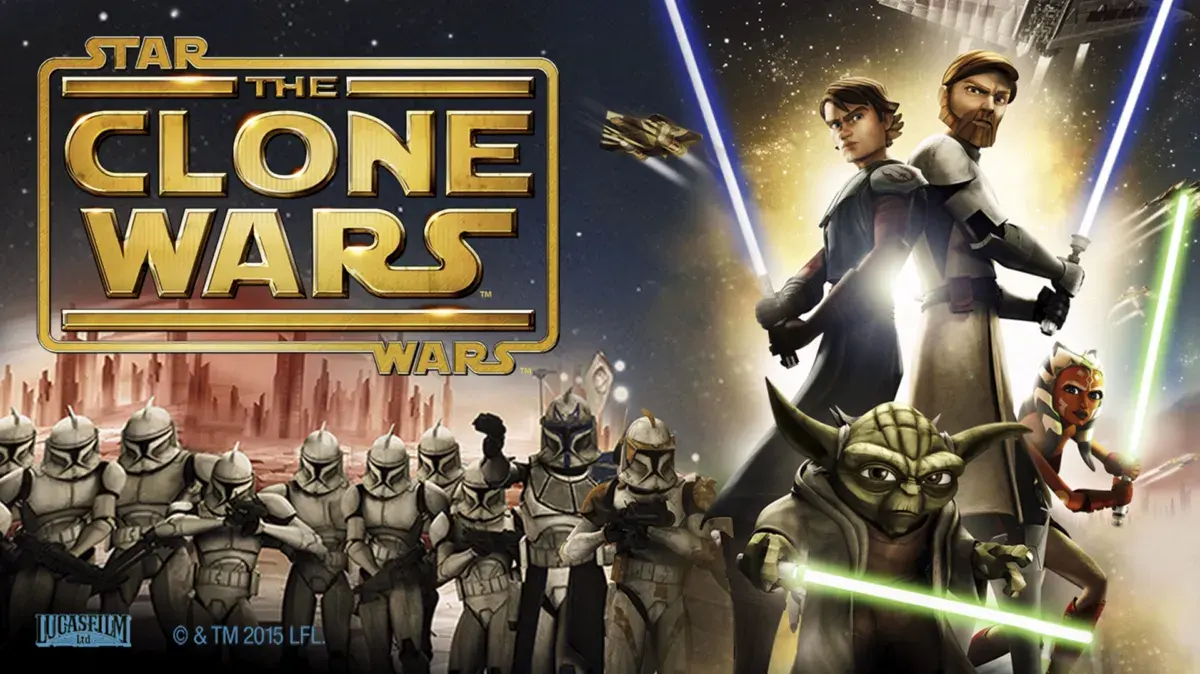
Before the Dark Times, before the Empire…
In 2005, the world saw the conclusion of the prequel trilogy. Revenge of the Sith was out; the circle was now complete… and fans started to wonder what was coming up next.
Of course, we were receiving new stories regularly (thank the Force, back in the day we didn’t use the word “content” for storytelling). Authors like Timothy Zahn, Jude Watson, and James Luceno wrote some of their most beloved novels after Episode III, and Dark Horse comics were doing Knights of the Old Republic with John Jackson Miller, Legacy with John Ostrander, and the gritty Dark Times series by Mick Harrison and Randy Stradley.
As for gamers, Battlefront II was the hottest thing! We certainly couldn’t complain about a lack of new titles, yet the question on everybody’s mind was what George was up to and whether there would be another movie in the cinemas.
Fortunately, mere days before the premiere of Revenge of the Sith, Lucas announced at Star Wars Celebration III that he was about to dive into both live-action television and animated television with two series projects.
Yes, the fabled Star Wars: Underworld never got off the ground (although in a way it did pave the way for the Mandoverse). The Clone Wars, however, became a cultural phenomenon and a pillar of Star Wars storytelling. Although… who would have guessed in the beginning?
Dave who…?
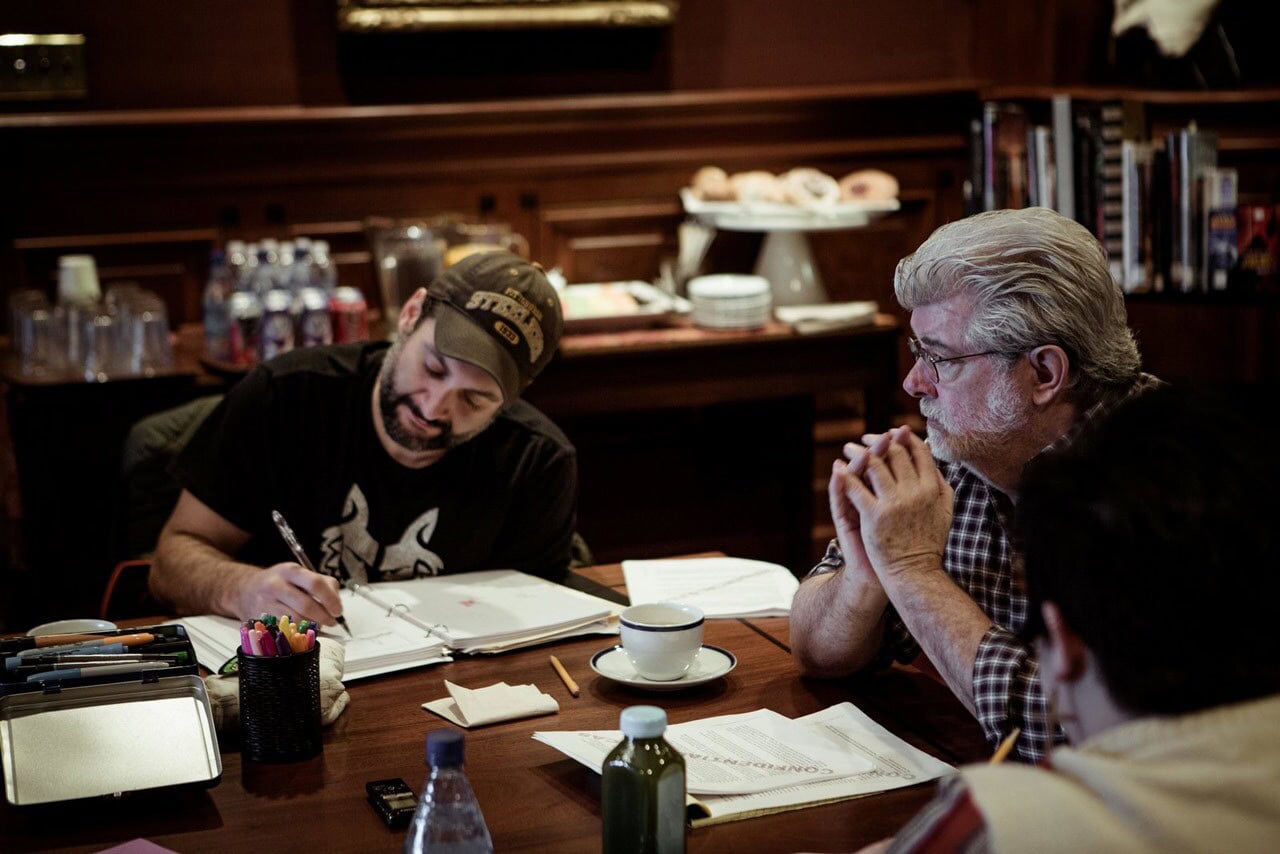
We knew there was some new guy around named Dave Filoni. He was handpicked by George himself and fresh off Avatar: The Last Airbender, which was enough for me to trust the man.
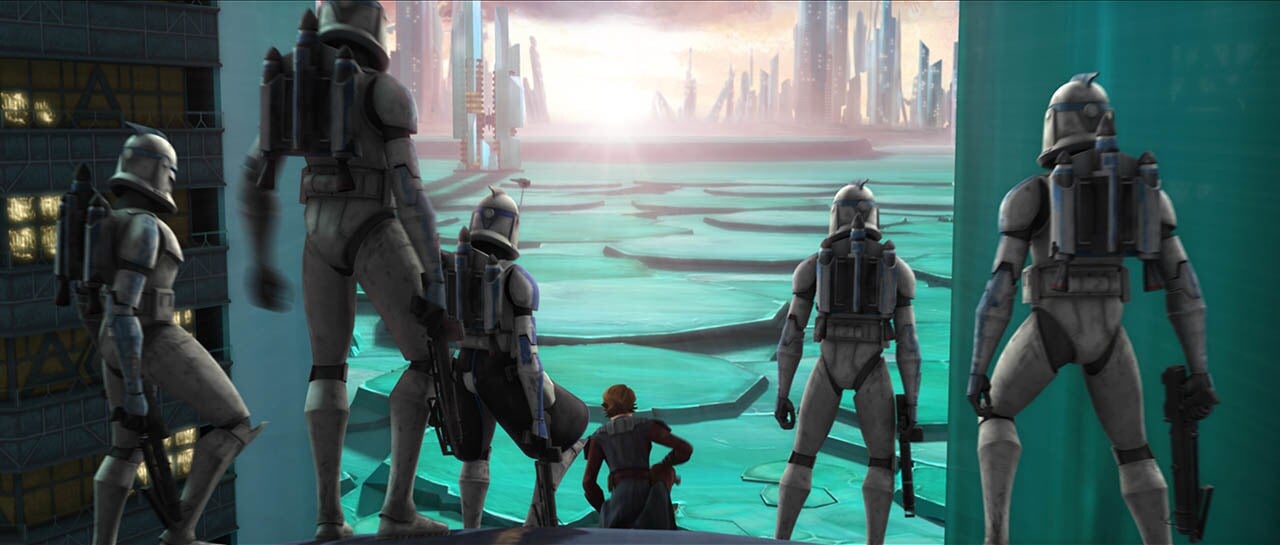
George was saying that he wanted to utilize CGI to create a series in the visual vein of Gerry Anderson’s Thunderbirds, and they were going for characters with a carved, hand-painted kind of look.
Needless to say, I was pumped! I’ve always admired the work of Gerry Anderson and his Supermarionation—the iconic electronic marionette puppetry production style that Britain established in the 50s and 60s. (Although I originally fell in love with its 80s ancestor, the Japanese cult classic Star Fleet X-Bomber created by Go Nagai of Mazinger, Devilman, and Cutie Honey fame. If you haven’t seen it, do look it up; it also features killer music by Queen’s Brian May!).
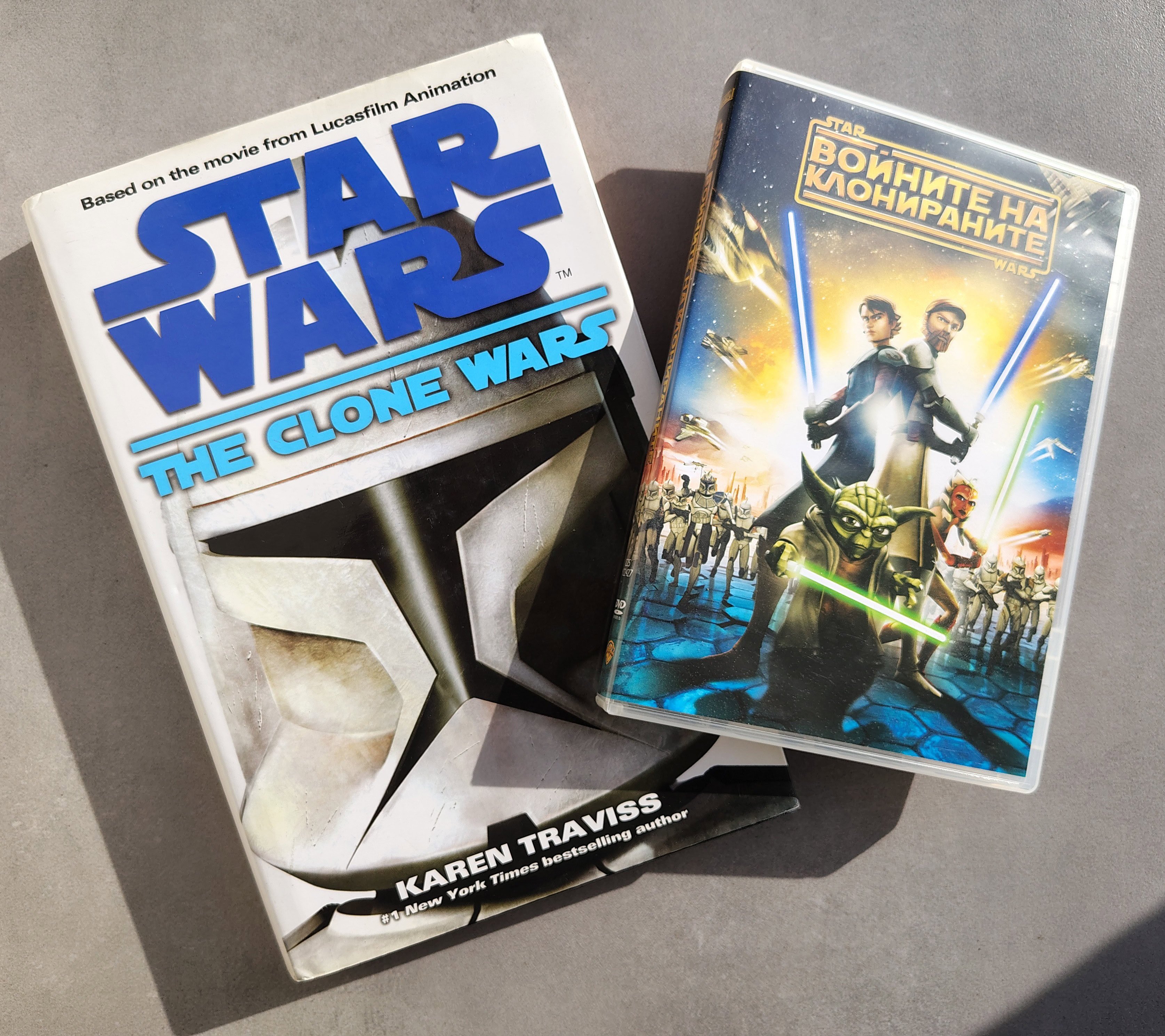
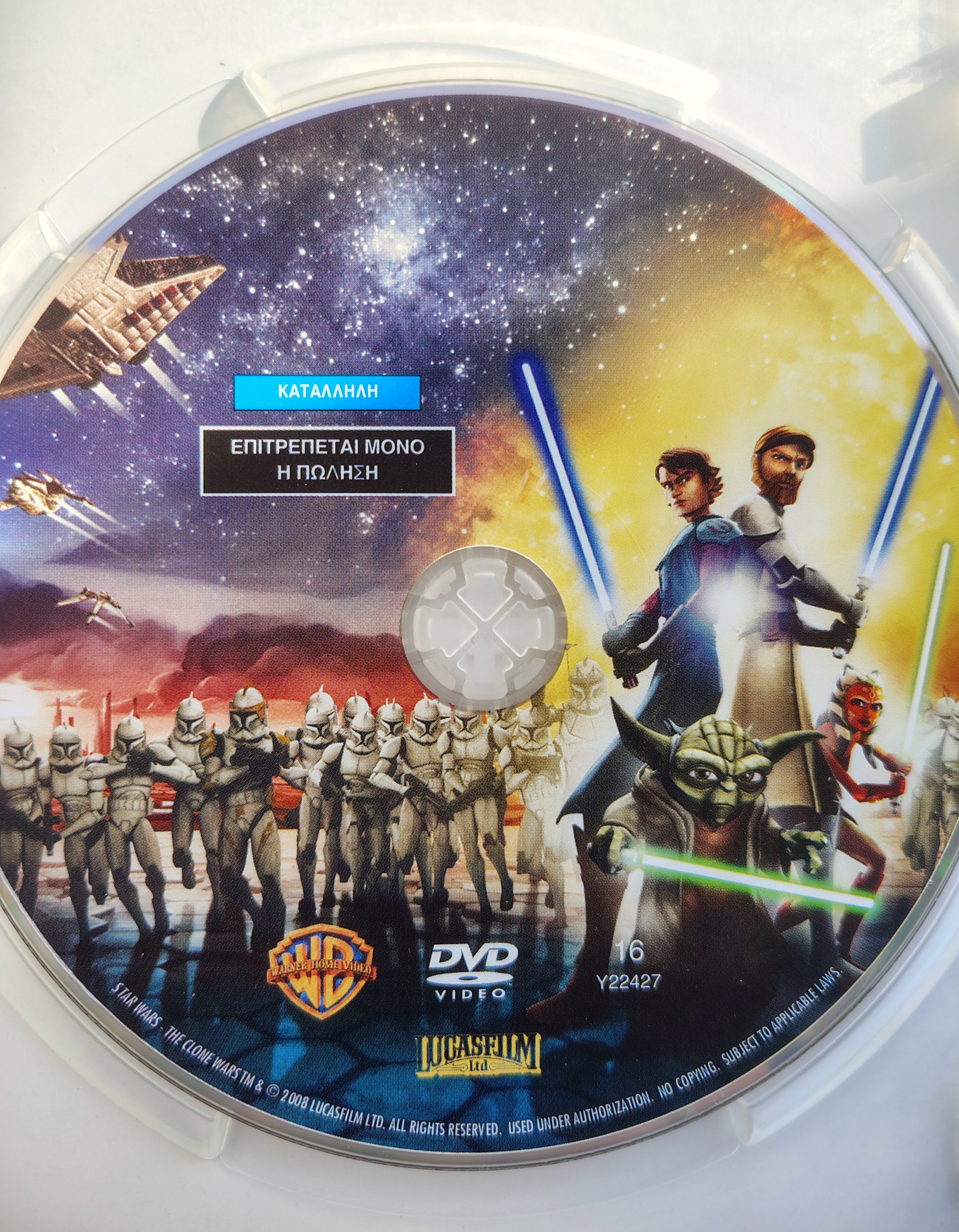
To my great pleasure, George was really happy with the way things were going, so in late 2007 he made the decision to kick off The Clone Wars series with a feature film—sort of a cinematic release of a feature-length pilot episode. I couldn’t have been happier about it!
However, times were weird, and not everybody shared my enthusiasm. Why was that, you might ask?
Haters gonna hate!
The internet was still riding the wave of post-Phantom Menace hate, and it was kinda fashionable to troll on the prequels and say how unbearable Jar Jar was and how they overused CGI and all that… Alas, a similar fate had befallen Indiana Jones and the Kingdom of the Crystal Skull.
On top of that, animated, kid-friendly Star Wars had never really been everyone’s thing, not to mention when it went in an unusual retro direction such as the one George had taken.
Sci-fi marionettes were a niche thing, after all… But I, for one, appreciated The Maker’s choice. Just like the original trilogy and the Indiana Jones movies were to a great extent homages to the Saturday matinee serials of the 1930s, it seemed fit that now a new generation could rediscover another widely forgotten cinematic era through another Star Wars project.
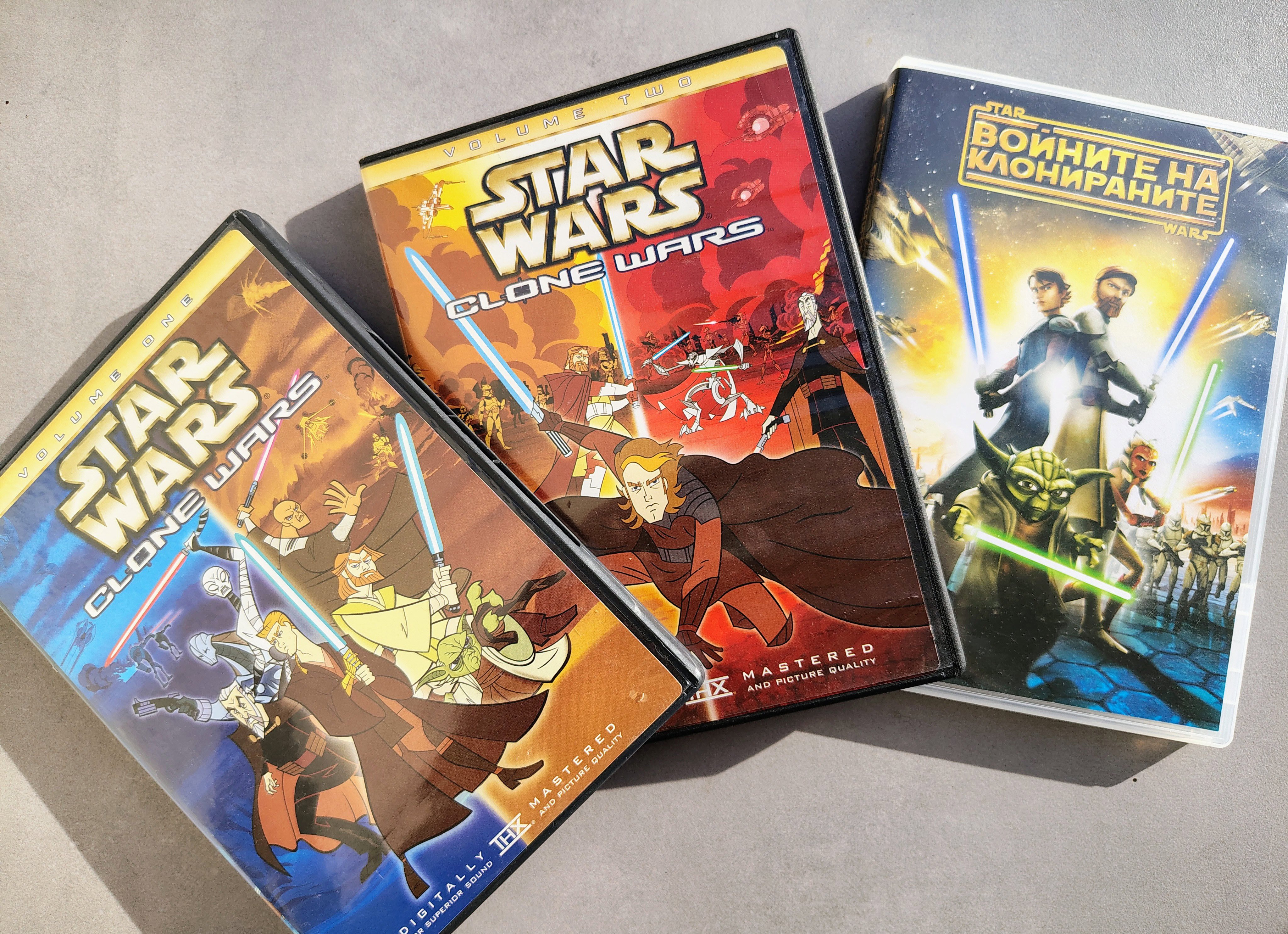
There was also Genndy Tartakovsky’s 2003 Star Wars: Clone Wars show that had aired on Cartoon Network and had blown just about everybody’s mind.
Tartakovsky had already been a fan-favorite creator of the cult series Samurai Jack, and he brought that perfect mixture of dramatic tension and wildly kinetic, masterfully choreographed action scenes into the Star Wars universe.
Having the new CG show share an almost identical title with its beloved 2D predecessor, and giving it a continuity that was in conflict with the stories told by Tartakovsky, was something that did not do any favors to the 2008 version. Comparison was unnecessary but also unavoidable, and Genndy had set a high bar.
Rough beginnings
So, when The Clone Wars movie premiered in my home country of Bulgaria in September 2008, I found myself almost alone in the theater. It had premiered in the US and other territories in August, and critics had already bashed it brutally. That did not ruin my experience one bit.
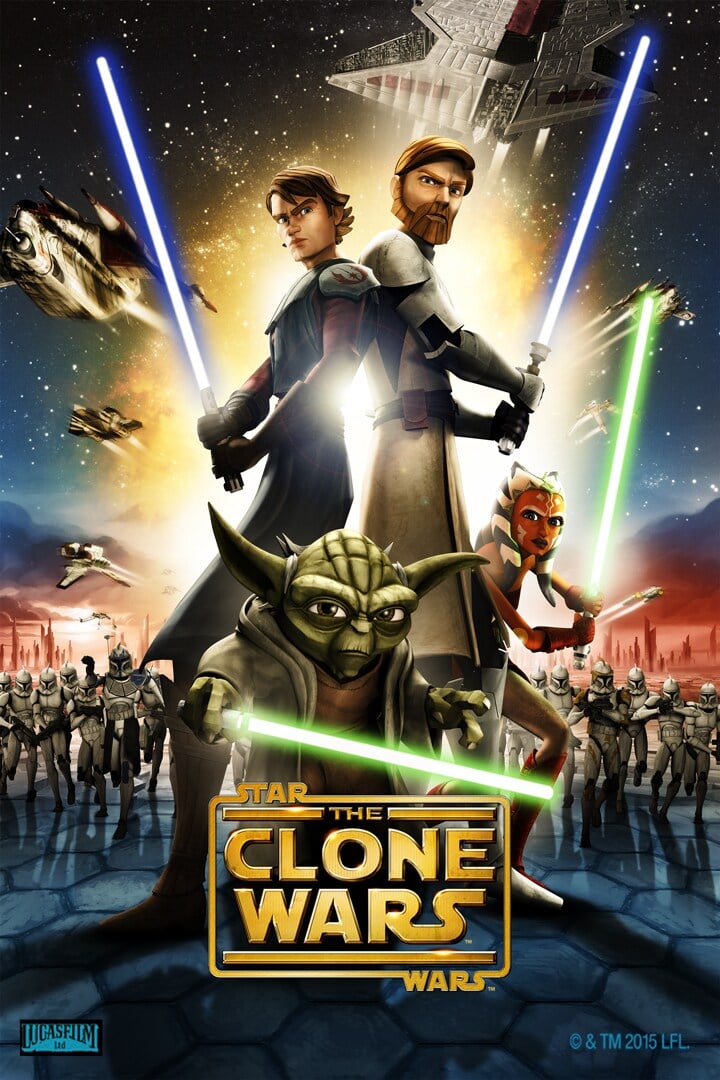
Objectively, in many ways it was not on par with other CG animated films of that year, but I never expected it to be.
WALL-E, Bolt, and Kung Fu Panda were visually superior. But I kept in mind they were also done on a cinema budget by major studios, while The Clone Wars was originally meant for TV and was the debut of Lucasfilm Animation, a relatively new and inexperienced division of the then-independent Lucasfilm.
And not only was it far superior to just about any CGI show we had seen, but much like the rest of the first season, it did pave the way for what was yet to come.
A Lasting Legacy
There’s a lot to like and appreciate in The Clone Wars movie, and both despite and because of its being a product of its times, I urge you to give it a watch, especially if you still haven’t. And here’s a list of reasons why you should do it:
Story-Wise Importance
- Introduced Ahsoka Tano: ‘Nuff said! I could go on and on about her incredible evolution and how Anakin’s padawan grew up with the audience and became a franchise pillar, later anchoring her own live-action show and all that, but… but instead, I’ll go for a fun fact: the character’s original name in pre-production used to be Ashla… and she ended up being voiced by Ashley Eckstein!
- Showcased Separatist deception: While simultaneously debuting Rotta the Hutt(let), the film gave us a plot that forced the Jedi into morally complex wartime negotiations with the criminal underworld. At the same time, Count Dooku and Asajj Ventress used elaborate political frame-ups, framing the Jedi to manipulate unaligned planetary factions. As if the prequels were not already political and full of moral greyness, now we had such themes intertwined within the plot of a kids’ show!
- Tested Anakin’s maturity: And helped him shift from a reckless, whiny student to a capable, responsible teacher, bridging his personality gap between Attack of the Clones and Revenge of the Sith… which in retrospect also made his fall to the Dark Side all the more heartbreaking.
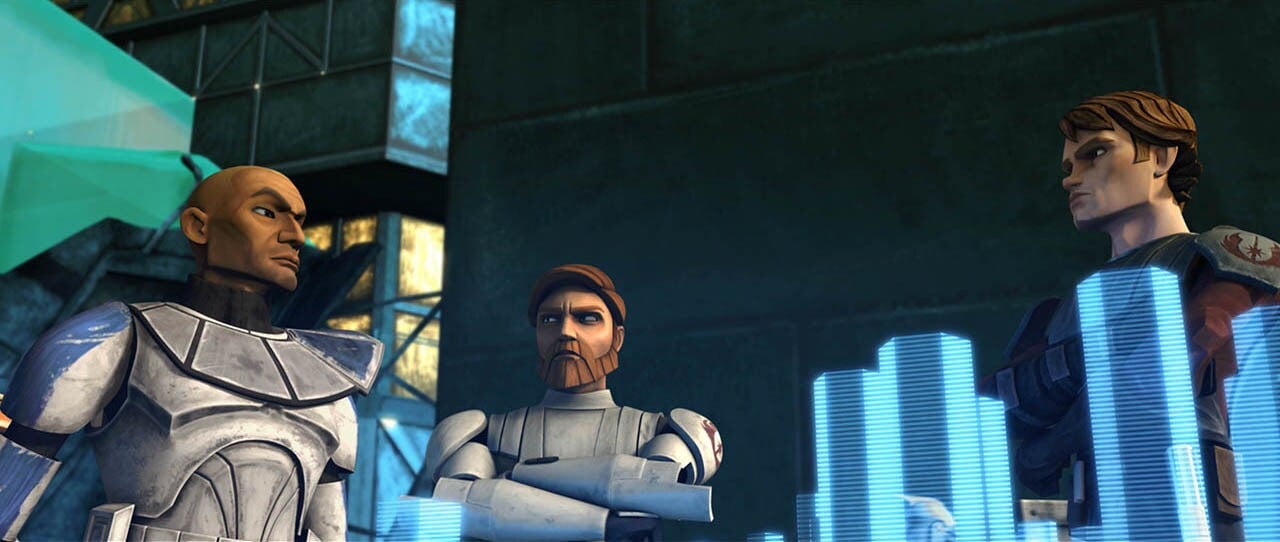
- Humanized Clone Troopers: And gave a shift of narrative, from faceless, identical soldiers to distinct individuals with unique names, personalities, and armor modifications.
- Canonized R2-KT: And introduced the pink astromech droid as a tribute to Katie Johnson, the late daughter of 501st Legion founder Albin Johnson. The on-screen inclusion of R2-KT helped raise awareness of the touching story of how the real-world charity droid was originally created by the R2 Builders Club to watch over 7-year-old Katie during her battle with brain cancer.
Creation-Wise
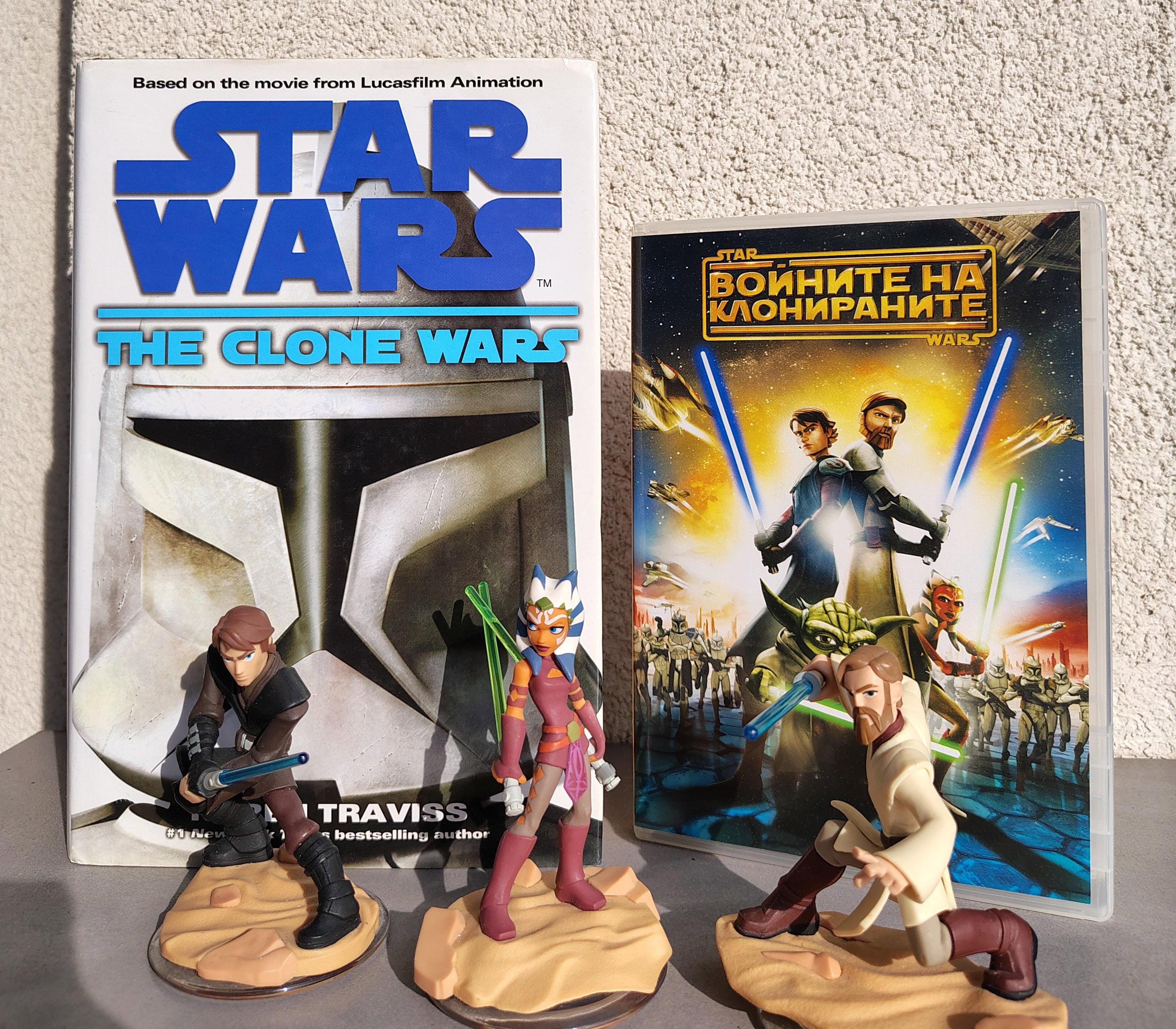
- George Lucas’s final theatrical Star Wars: Yup, maybe you hadn’t realized by now, but The Clone Wars movie stands as the very last Star Wars film to be personally produced by franchise creator George Lucas and released in theatres during his ownership of Lucasfilm.
- Accidental theatrical release: It was never intended to be a movie; George Lucas looked at early episodes produced for the upcoming TV series, decided they looked good enough for the big screen, and stitched them together into a feature film. (Which is not at all what happened with The Mandalorian and Grogu).
- Pioneered modern CGI animation: It pushed the boundaries of weekly television production values, establishing a stylized, marionette-like aesthetic inspired by classic Thunderbird puppets.
- Launched Dave Filoni’s legacy: The movie was the feature directorial debut of Dave Filoni, handpicked by Lucas, who has since become the Chief Creative Officer of Lucasfilm and the primary architect of modern Star Wars storytelling.
- Kevin Kiner’s Star Wars debut: Another first entry on the list, composer Kevin Kiner broke tradition by blending John Williams’ themes with electric guitars, synths, and ethnic percussion. The Clone Wars movie served as the launchpad for Kiner to score all seven seasons of The Clone Wars, Rebels, The Bad Batch, and the live-action Ahsoka series.
- Christopher Lee as Dooku one final time: Hearing Christopher Lee’s voice always gives me goosebumps (of both pleasure and horror). The legendary actor died in 2015, at the age of 93, so this was his final voicing of the chilling and enigmatic Count Dooku, before passing the torch to Corey Burton.
- Prequel roles reprised: In addition to Christopher Lee, The Clone Wars movie brought back together live-action actors Samuel L. Jackson (Mace Windu) and Anthony Daniels (C-3PO) along with Matthew Wood’s return as the voice of General Grievous!
- Story beats and cinematic homages: Not only is Ahsoka Tano partially inspired by San from Princess Mononoke and Ziro the Hutt based on Truman Capote, but in a 2008 interview, screenwriter Henry Gilroy shared: “The basic scenario of the kidnapped Hutt story was inspired by an old Sonny Chiba samurai film I like called Shogun’s Shadow. It’s the story of this disgraced ronin who is charged with escorting the very young son of a shogun across the countryside and all these ninjas are trying to kill this poor kid. Anyway, there’s a lot of intrigue about who is really after the kid, trying to kill him. I thought the basic idea translated to Star Wars well.” Much in the spirit of Lucas being inspired by the works of Akira Kurosawa.
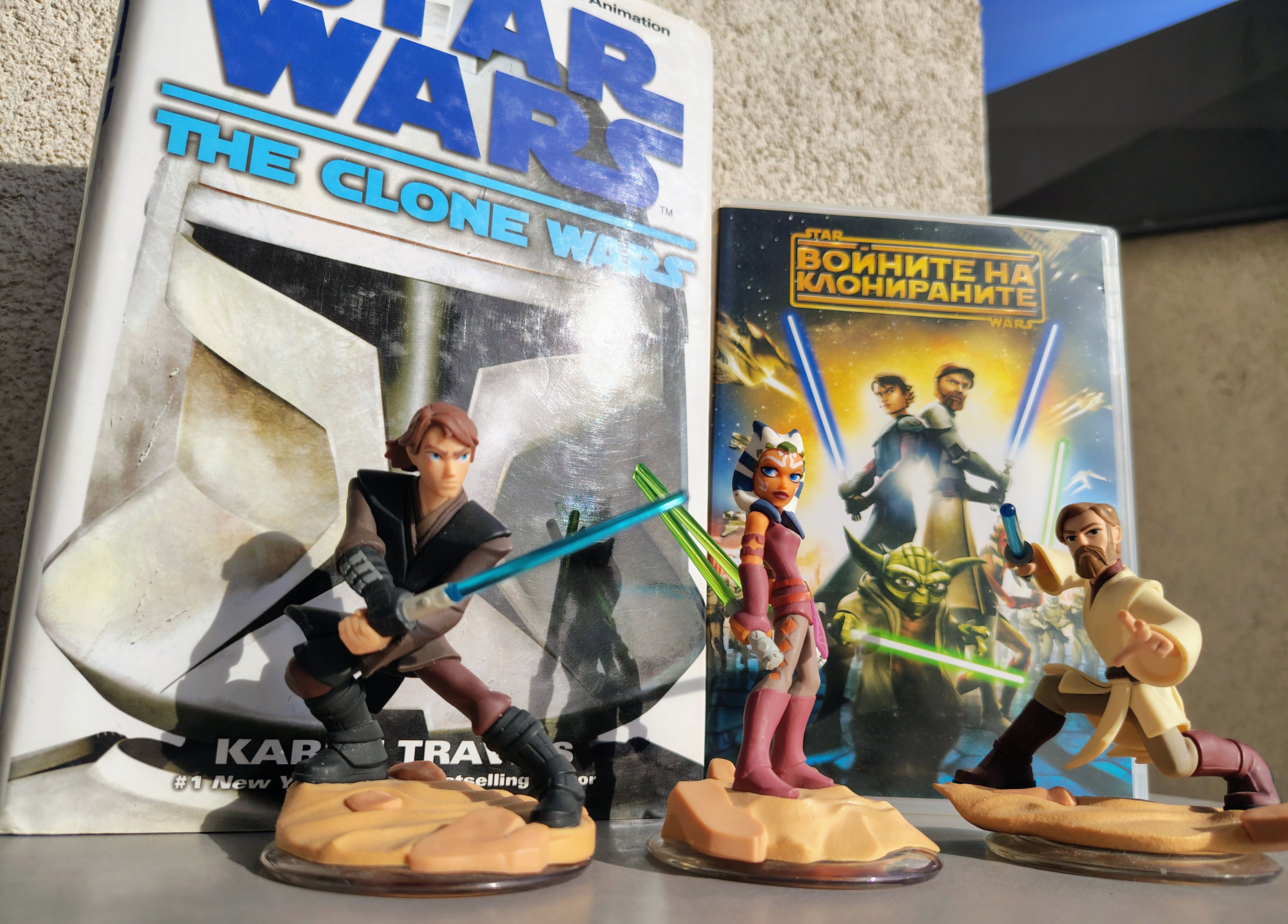
In the end, The Clone Wars movie might have been far from perfect, but it gave us plenty. It has dated, yes, but when one compares it to the improving quality of the animation of The Clone Wars episodes season after season, it is more than clear that it has been an important stepping stone for Lucasfilm Animation and their ever-growing legacy.