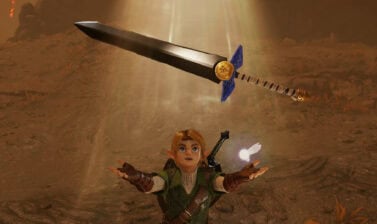
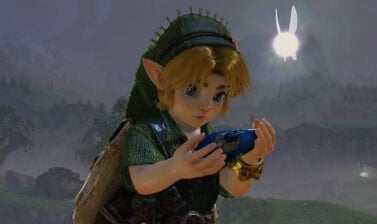
The Legend of Zelda: Ocarina of Time on the Nintendo Switch 2 reinvents the classic adventure from 1998. While the classic is often regarded as one of the best games of all time, does the remake live up to its predecessor?
This Review contains Spoilers!
As the story of Ocarina of Time is 28 years old, this review won’t shy away from spoilers.
The Legend of Zelda: Ocarina of Time for the Nintendo Switch 2 retells the story of the boy without a fairy setting off on a great adventure to save the Kingdom of Hyrule.
With the addition of pre-rendered cutscenes, voice acting, and redesigns of numerous locations, it makes the whole experience feel more cinematic. So let’s review the elements that create this experience.
Story
The story was always an excellent part of Ocarina of Time since 1998, but the remake only builds on top of its foundations even further. Many aspects of the game adds depth to the story, whether it’s the main story or the dialogue of NPCs.
The main story retains its sense of being a grand adventure where you start out weak and inexperienced, only to slowly gain more skill and power to overcome evils most could only dream of vanquishing.
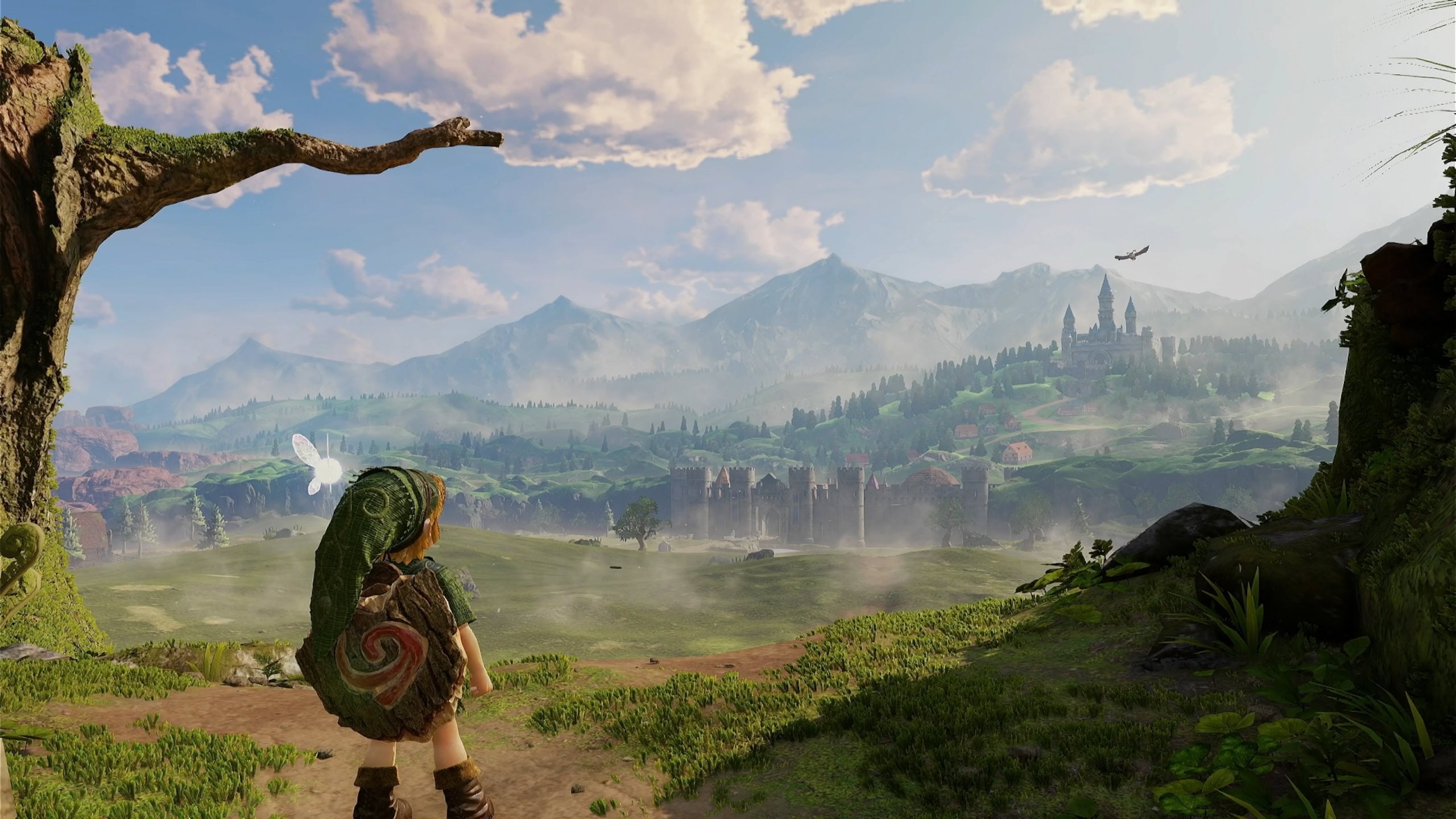
Ocarina of Time follows the format of its predecessor, A Link to the Past, in that you collect three objects, get the Master Sword, then rescue a group of important people.
When making the transition from 2D to 3D, it’s good to stick to what works when handling new technology. While simple, this formula still works decades after the fact.
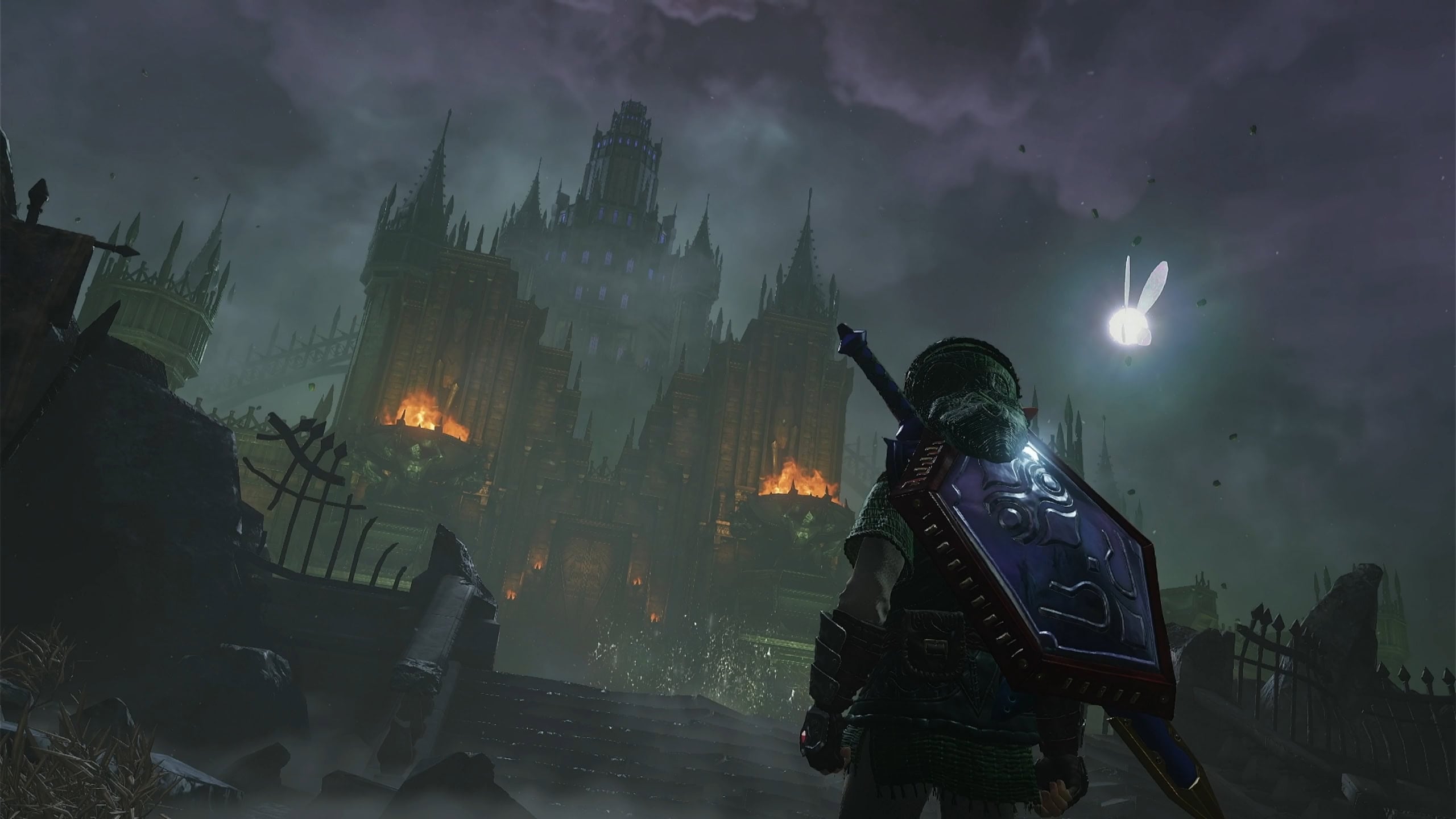
As you progress through the story, the world feels so vast and diverse despite its relatively small size compared to modern fantasy games.
You can be in a forest full of whimsy, a European-style town, a crude looking city made of stones, a large cave filled with pools of water as mosaic lines the walls, and a desert with architecture combining North Africa, India, and the Middle East.
When it all comes to the conclusion at Ganondorf’s Castle, the ending feels even more climatic than it ever was before. From start to finish, the story feels grand and is a great experience.
World Building
The good stuff is the details that help explain things people could only speculate on due to the limitations of the Nintendo 64 version.
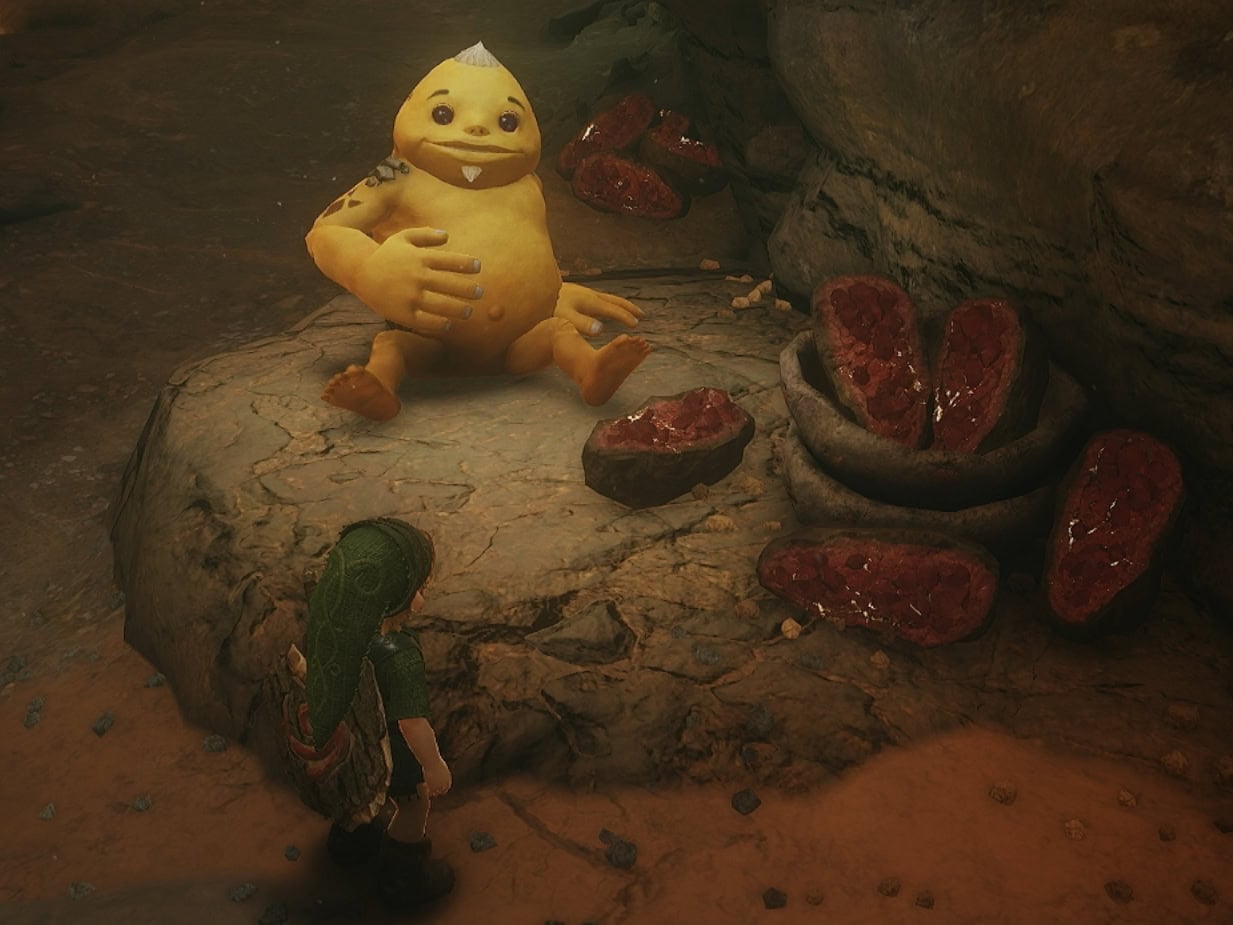
When you first meet the Gorons on Death Mountain, they’re starving as they cannot access Dodongo Cavern to harvest their food.
It’s been a joke for many years that they should just eat the random rocks found all over the place. Though the game shows that the rocks they eat are geodes, so they can’t eat any old rock just like how humans can’t eat grass just because they can eat plants.
Then there are small details that make you better understand why people are struggling when Ganondorf takes over Hyrule. One good example being Lon Lon Ranch.
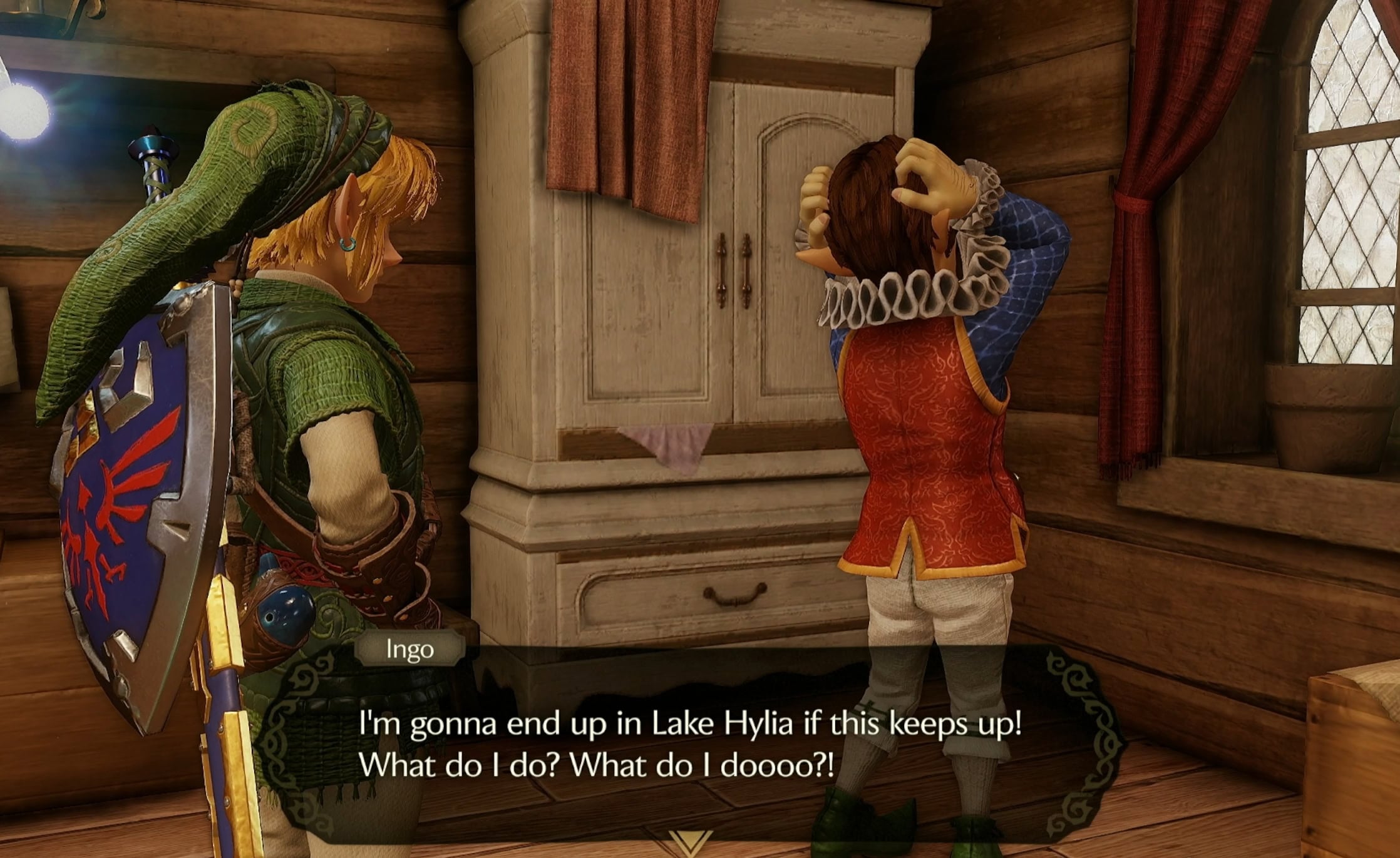
When Ingo takes over the ranch, he’s bankrupting the ranch as he’s sending large amounts of rupees to Ganondorf in hopes of favor despite never getting a response.
Another good example is that while many of the Gerudo seem to worship Ganondorf almost a as a god, some quietly prefer different leadership and may secretly talk amongst themselves about it.
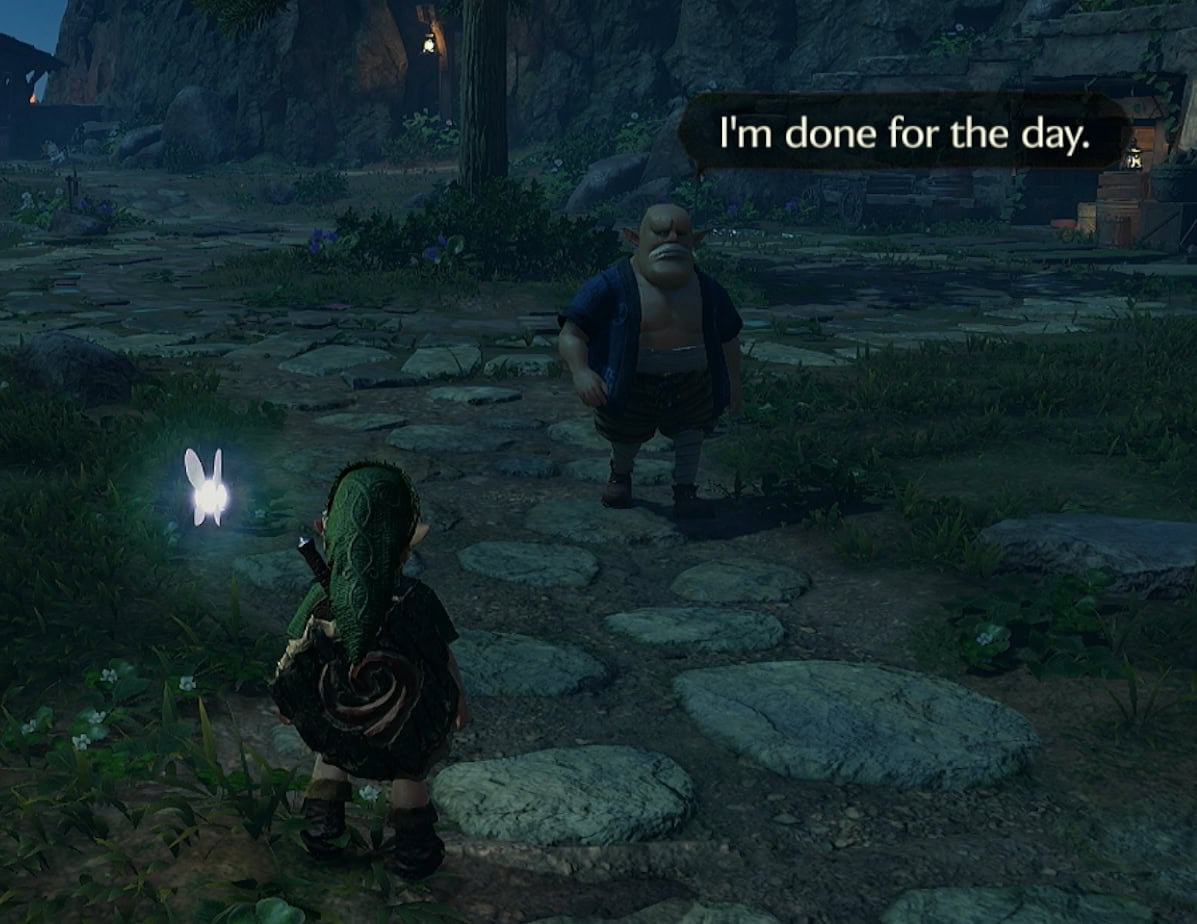
Then of course there’s the fact that characters have a day and night schedule now. Seeing them walk from one place to another, make conversation with other NPCs, and generally live their lives makes the world itself feel more alive.
Voice Acting
I have mixed feelings about the voice acting in Ocarina of Time. Overall it’s good, but some aspects of it could have been better. One notable example is Matt Mercer reprising his role as Ganondorf.
Matt Mercer also voiced Ganondorf in The Legend of Zelda: Tears of the Kingdom. As Ganondorf in the remake, he’s not bad. He’s a good voice actor overall, but it’s likely my bias developed from the original game coming into play.
The Ganondorf in the Ocarina of Time for the Nintendo 64 had a much different voice. Giving the role to someone who could better match that original voice would have been great, but this is a small complaint overall. The original Ganondorf has a much better and less generic-sounding evil laugh.
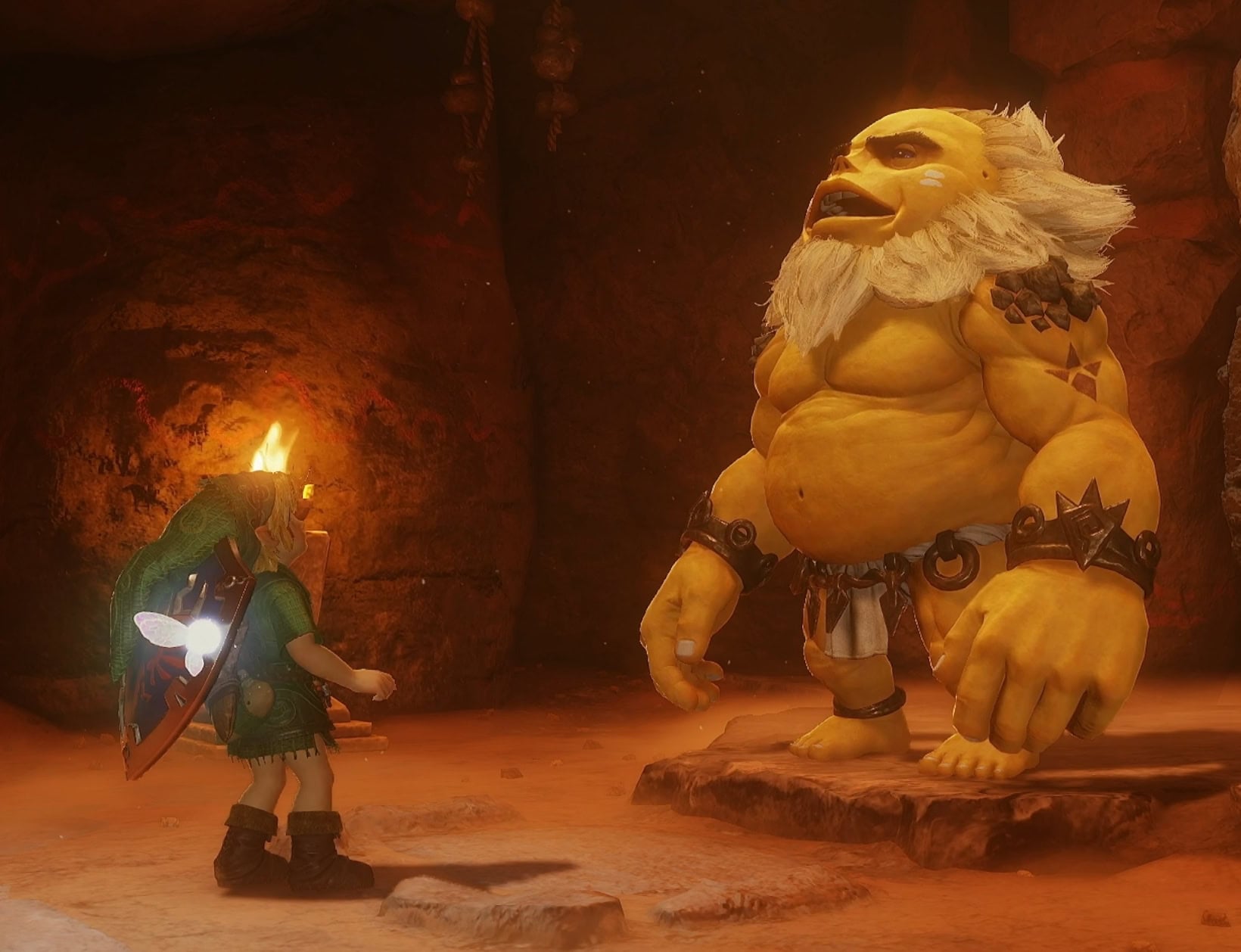
Darunia is one example of voice acting I didn’t like. I understand that he’s supposed to be a loud and passionate person, but his line delivery often felt corny. Darunia’s lines get a bit better as the game goes on.
The voice of Sheik could have been better. Someone going in for the first time would very likely tell that Sheik is Zelda in disguise after hearing them for the first time.
One of my biggest gripes was with Ganondorf’s Castle when you’re taking down the barrier. This was particularly noticeable with Saria’s and Nabooru’s dialogue.
Saria says “The evil power here is gone now, you can do it Link!”, and Nabooru says “The evil power in this place never stood a chance. Now just stay calm, there’s still work to do… kid“.
It felt jarring and it sounded like they spliced two different takes into one, making it come off as unnatural. I usually expect a lot of polish when it comes to Nintendo’s big IP’s, it didn’t show here.
Dungeons
The Ocarina of Time set the bar for having well-made themed dungeons for many of the following Zelda games to come. Each one has its own distinct feel and theme that makes it feel unique.
The first three dungeons are rather simple as they teach you how the game works. The Great Deku Tree teaches the core basics, Dodongo Cavern introduces more puzzles and a bigger dungeon to explore, and Lord Jabu-Jabu’s Belly teaches you to think about navigating a 3D space.
Things don’t get actually challenging until you become an adult and visit the five temples. Each of these look absolutely gorgeous in their own way and reflect the cultures that made them.
Forest Temple
A favorite among many Zelda fans, the Forest Temple looks stellar as it traded a lot of its interior stonework for wood. Having different skyboxes in the different courtyards give it both a beautiful and eerie feeling.
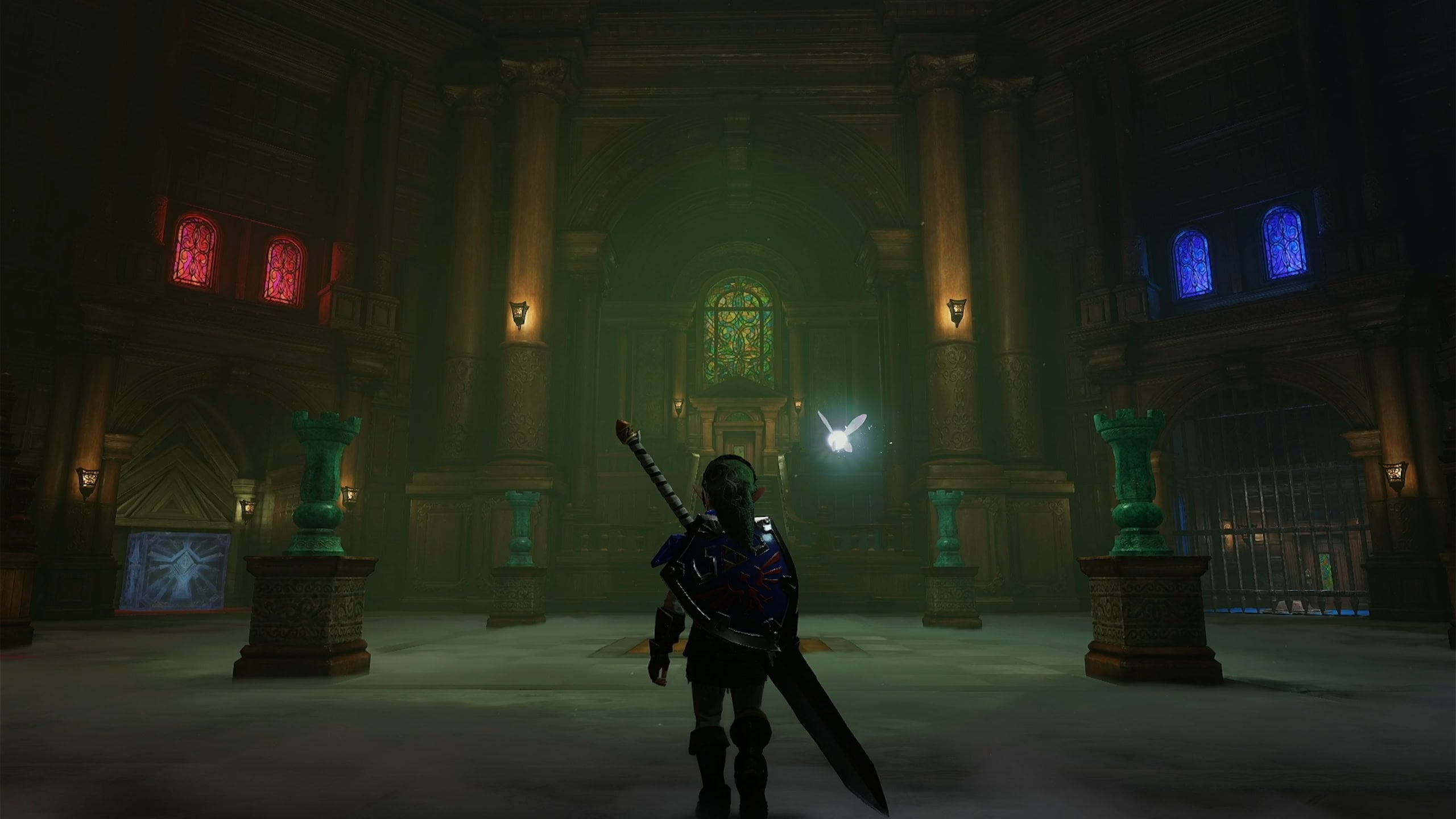
It’s mostly the same with some minor quality of life adjustments, like the addition of an elevator on the west wing of 1F that takes you in front of the twisted corridor.
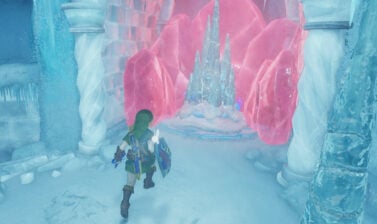
When you need to twist the straight corridor, this is when the game’s cracks start showing. In the original, you’d need to stand on one of four revolving pillars and melt the ice switch at the right time. Now there’s only one stationary torch, making this “puzzle” trivial.
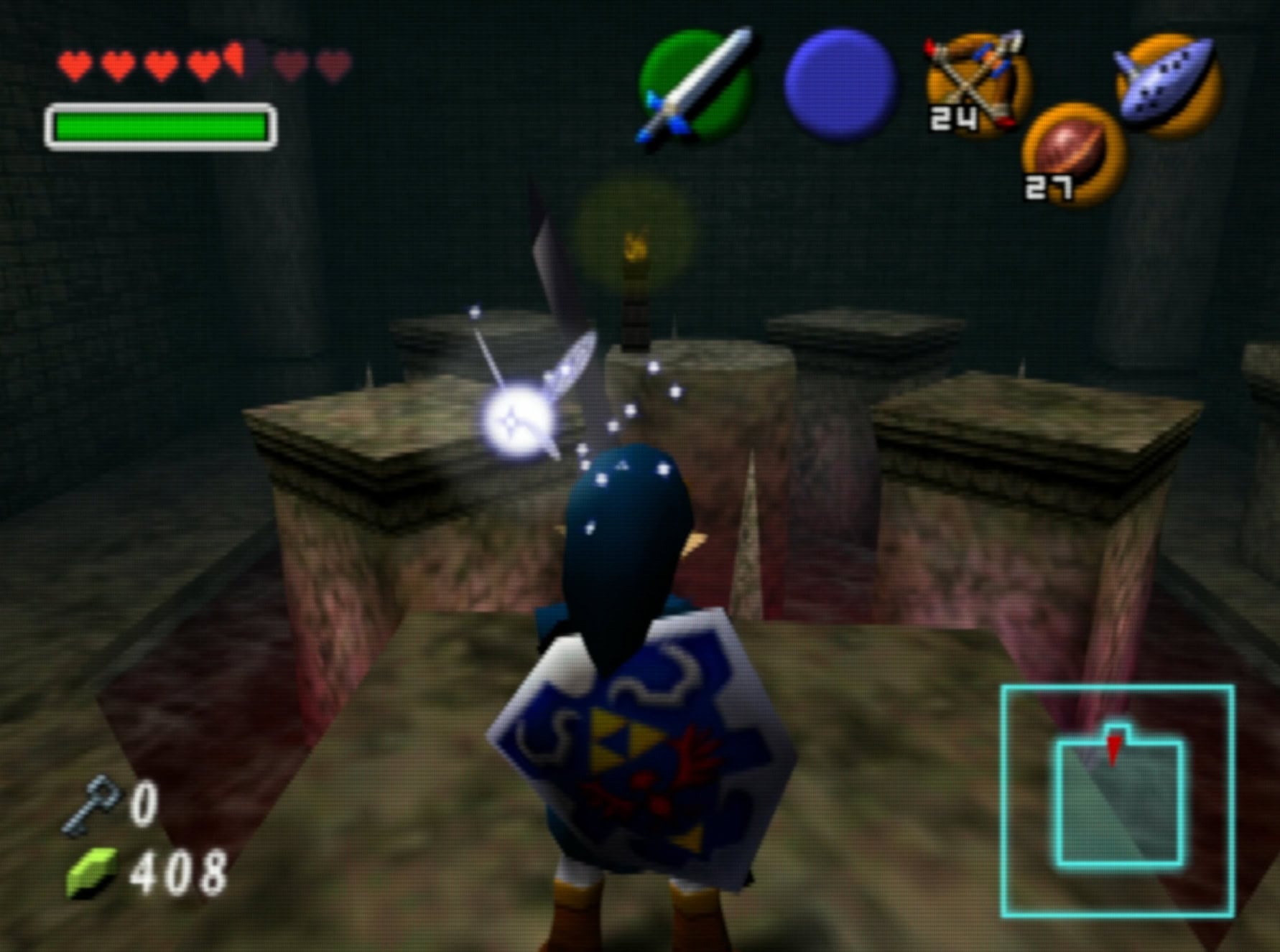
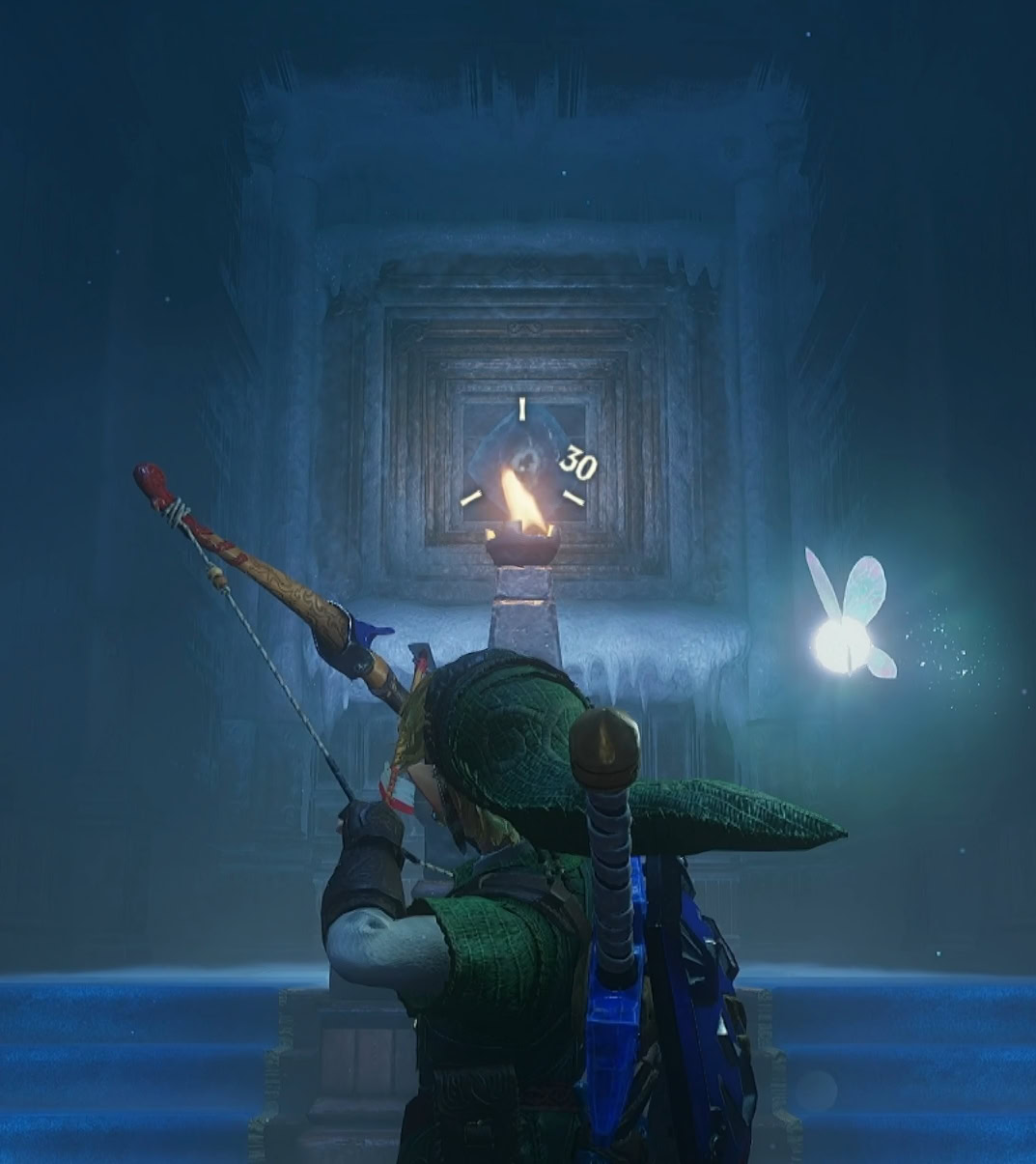
This is a recurring theme in some redesign aspects, Nintendo shows little faith in the player’s intelligence. The original game wasn’t that hard to begin with, but this feels like a slap to the face.
I would expect something like having to light a series of torches, but you can only do so from certain angles. So you have to figure out which torch to light in what order in order to melt the frozen eye switch.
Fire Temple
I both love and hate the changes done to the Fire Temple. On one hand, the large doors and crude architecture emphasize that this is a sacred site made by Gorons.
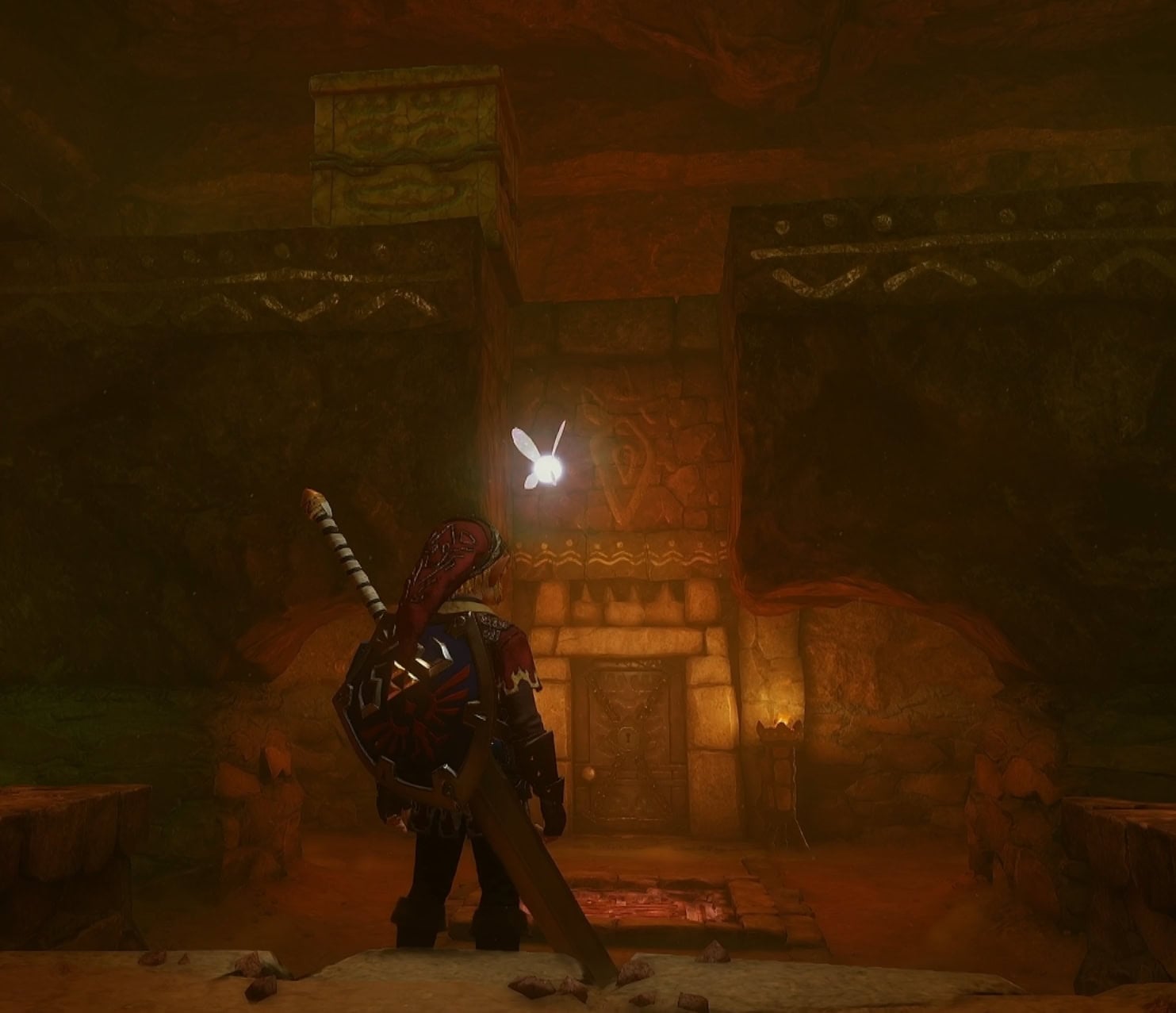
On the other hand, the lack of tall vertical walls makes the temple feel less grand overall. This is most notably seen in the Boulder Maze.
In the original, there were tall walls that blocked off a lot of the view and making it somewhat tricky to navigate. In the remake, the walls were placed with low platforms making it easier to see around the area.
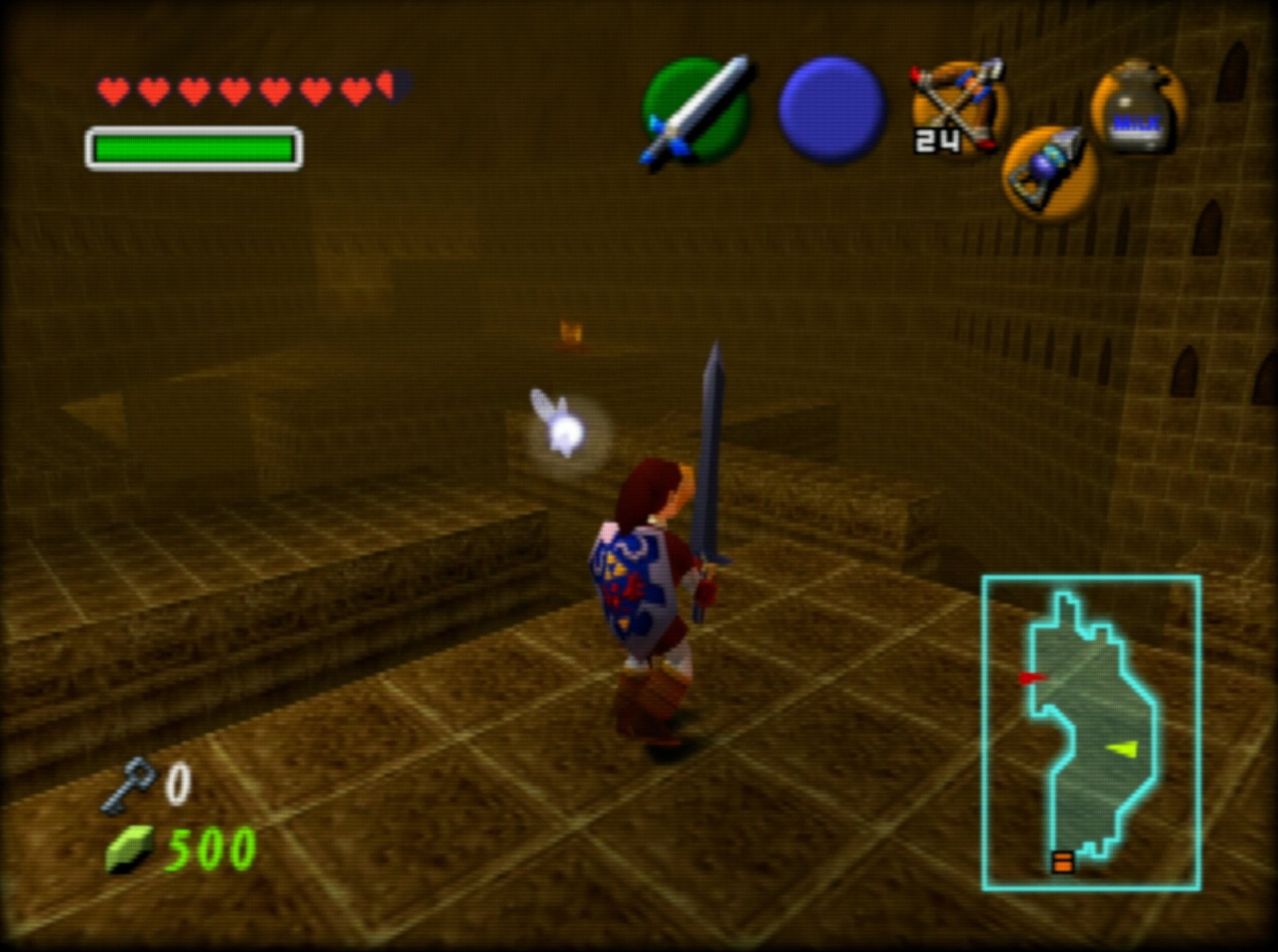
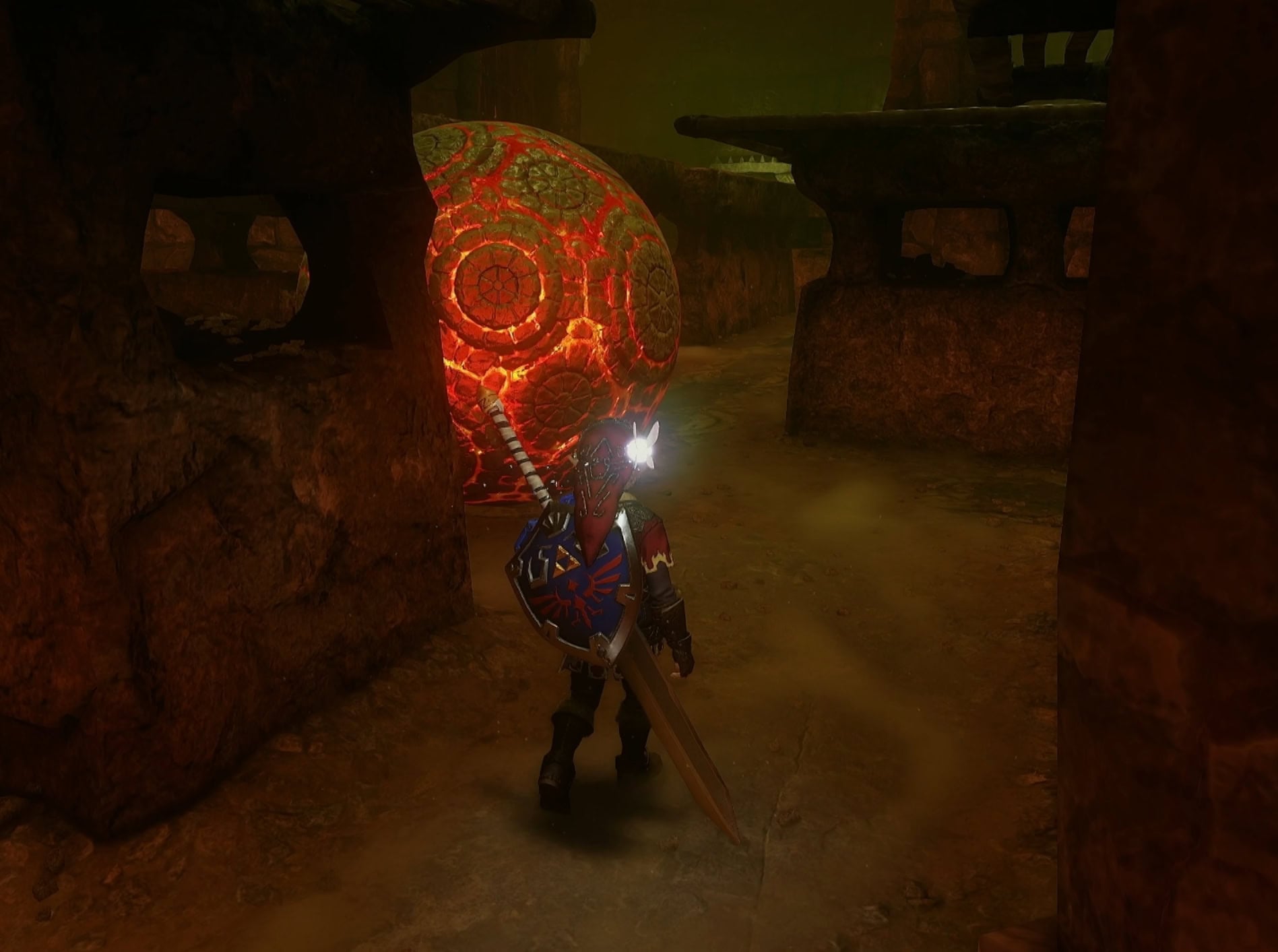
While the new shortcut added to the Boulder Maze is convenient, a lack of consequence for platforming mistakes detracts from the experience in my opinion.
Water Temple
The Water Temple is a good example of a change made to many of the dungeons and temples, they were streamlined. Unfortunately, some of them are too streamlined and this is the case with the Water Temple.
The Water Temple was notorious for its difficulty in the past as you could get stuck since you couldn’t find a Small Key needed to reach the mini-boss.
The 3DS version helped fixed this by emphasizing that there’s a hidden path underwater in the central tower with the camera angle.
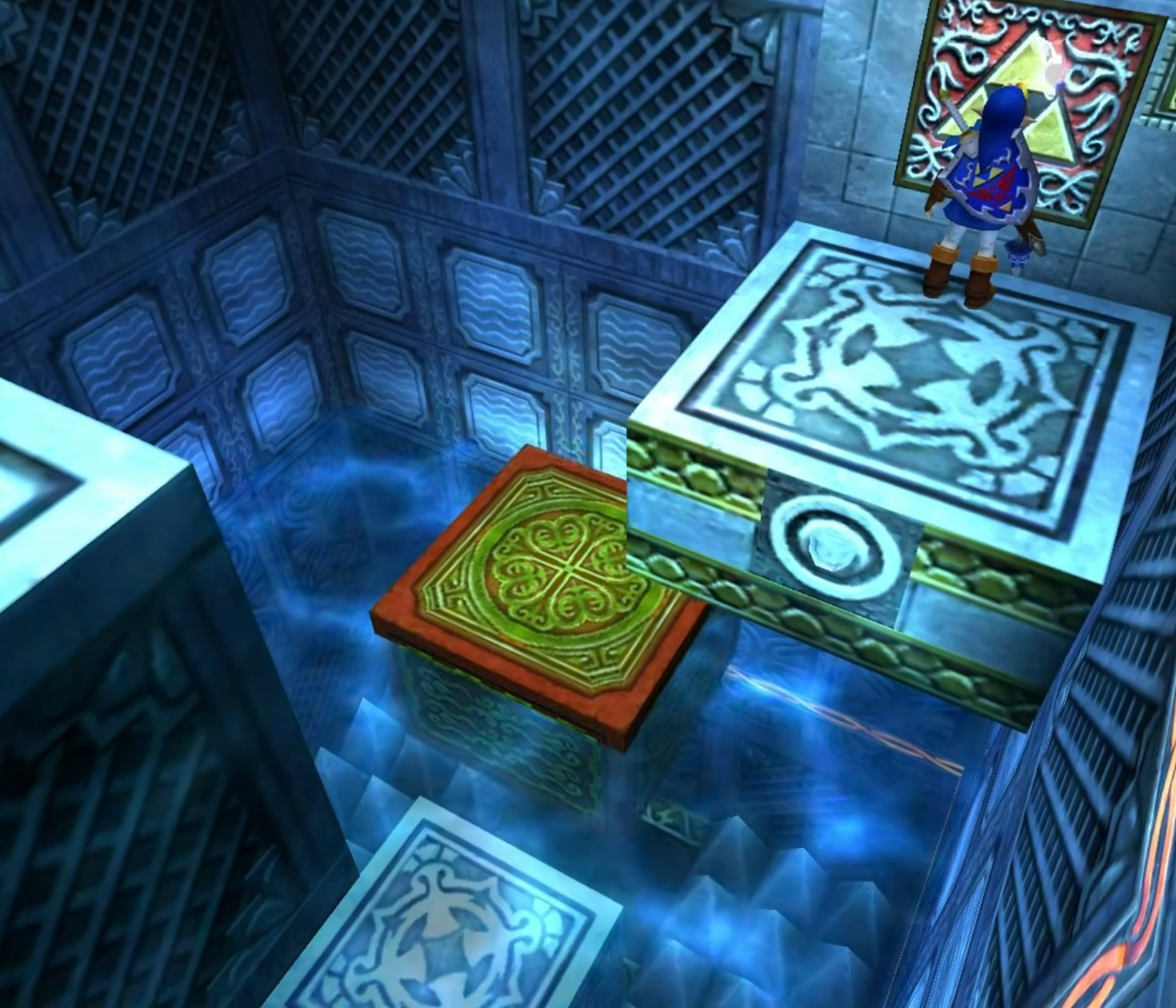
This was easily overlooked in the N64 version, but now this secret room only has a Gold Skulltula in it as there are less Small Keys to find overall.
Then there’s the Vortex River. This part was hard to navigate with how strong the current’s pull was in the original. Even with the Iron Boots, you might get stuck in one spot and you have to brute force your way out.
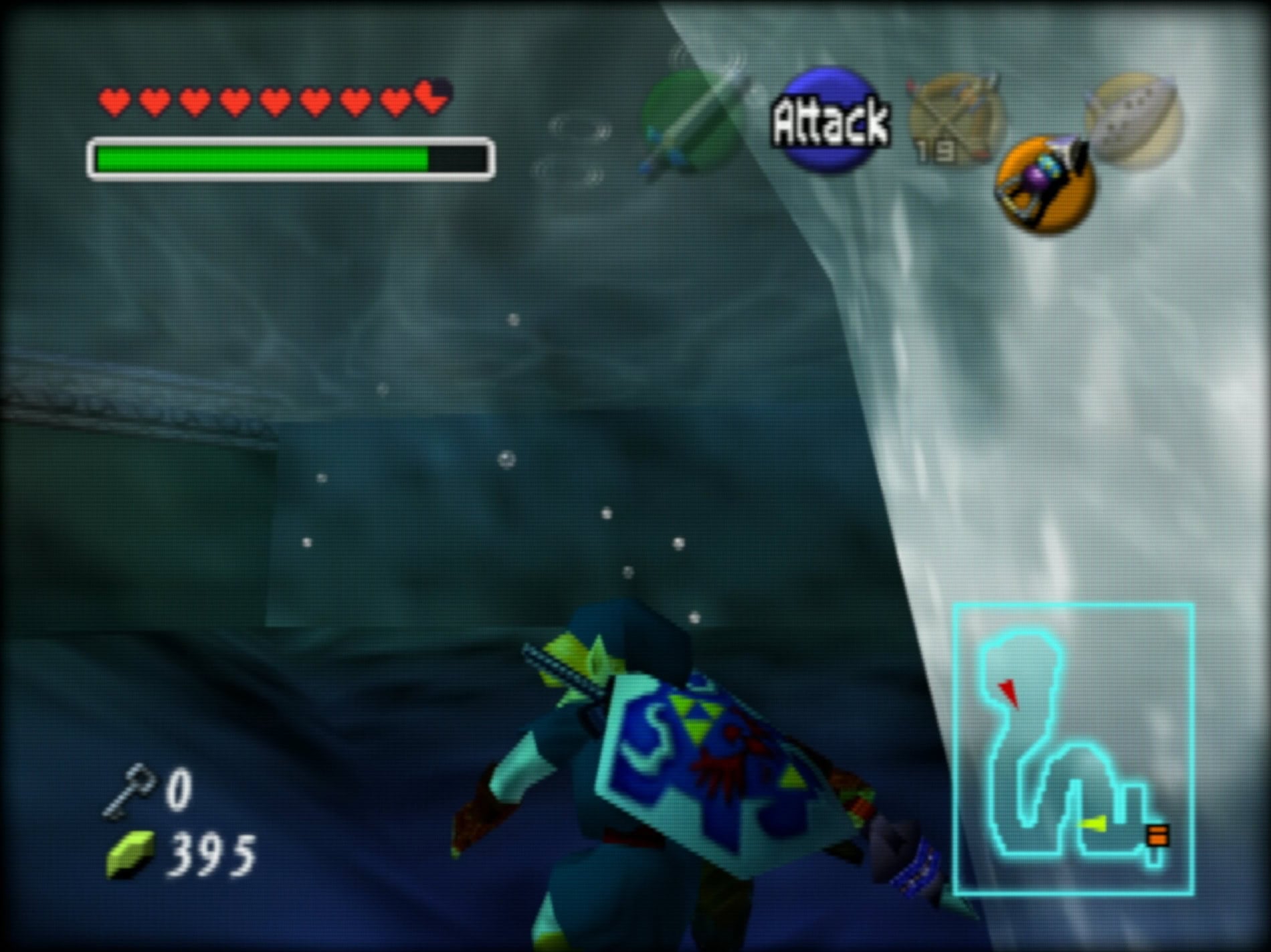
In the remake, this feels like a stroll in the park. The struggle to fight against the vortexes with the Iron Boots made this room feel like a challenge, where’s the challenge now?
A lot of the puzzles, traps, and challenges just feel like minor inconveniences rather than an actual challenge.
Shadow Temple
The Shadow Temple was always a fairly straight-forward dungeon to go through. Overall, the remake improves the Shadow Temple.
I’m glad Nintendo kept the blood stains found on the walls and floor, though they’re more brown than red implying the stains are old. This is a good touch.
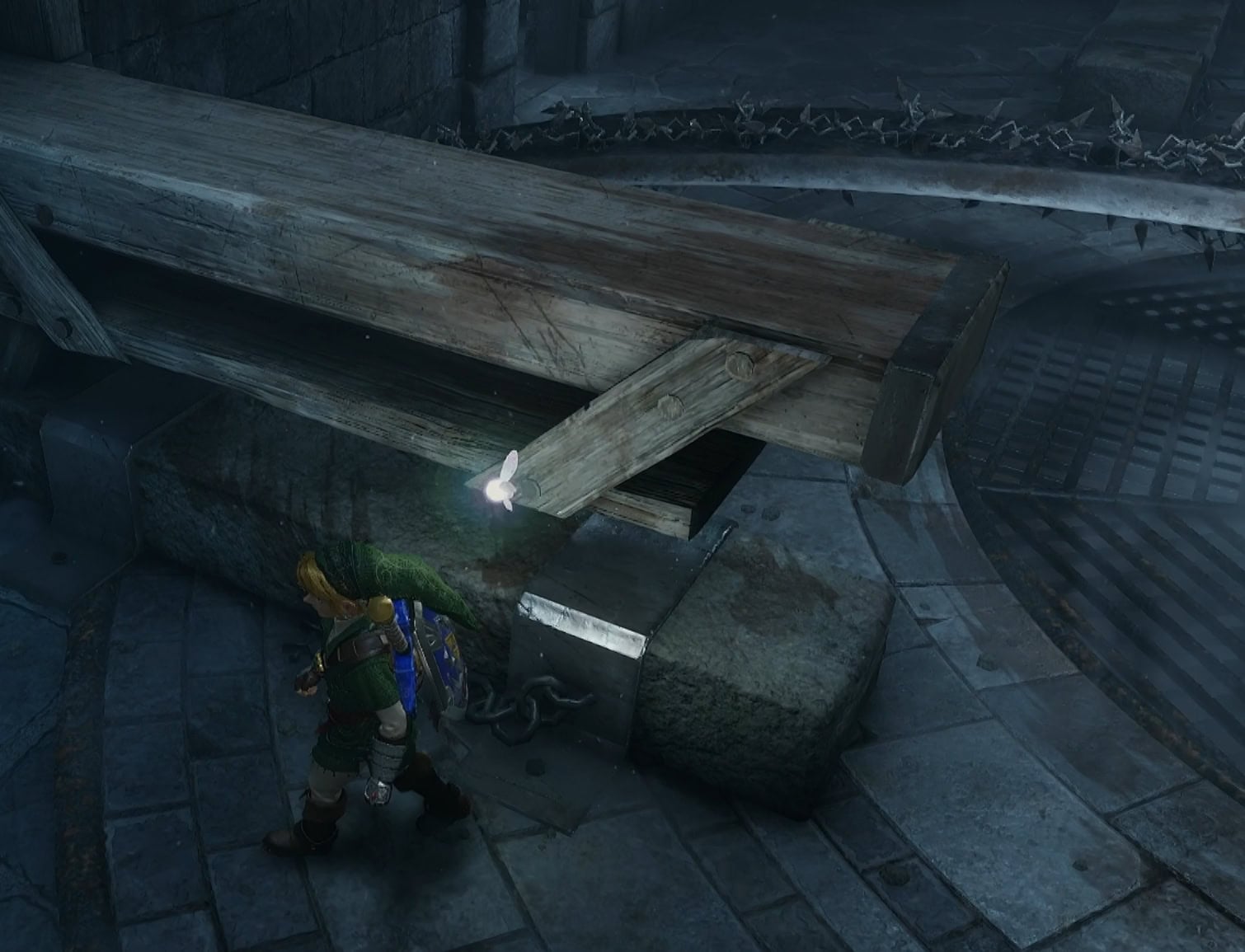
The use of wooden animatronics is great, such as the talking skulls and rats pulling a platform. Though their placement could be better as seeing a wooden skull early on figuratively screams “there’s a secret passage here!”.
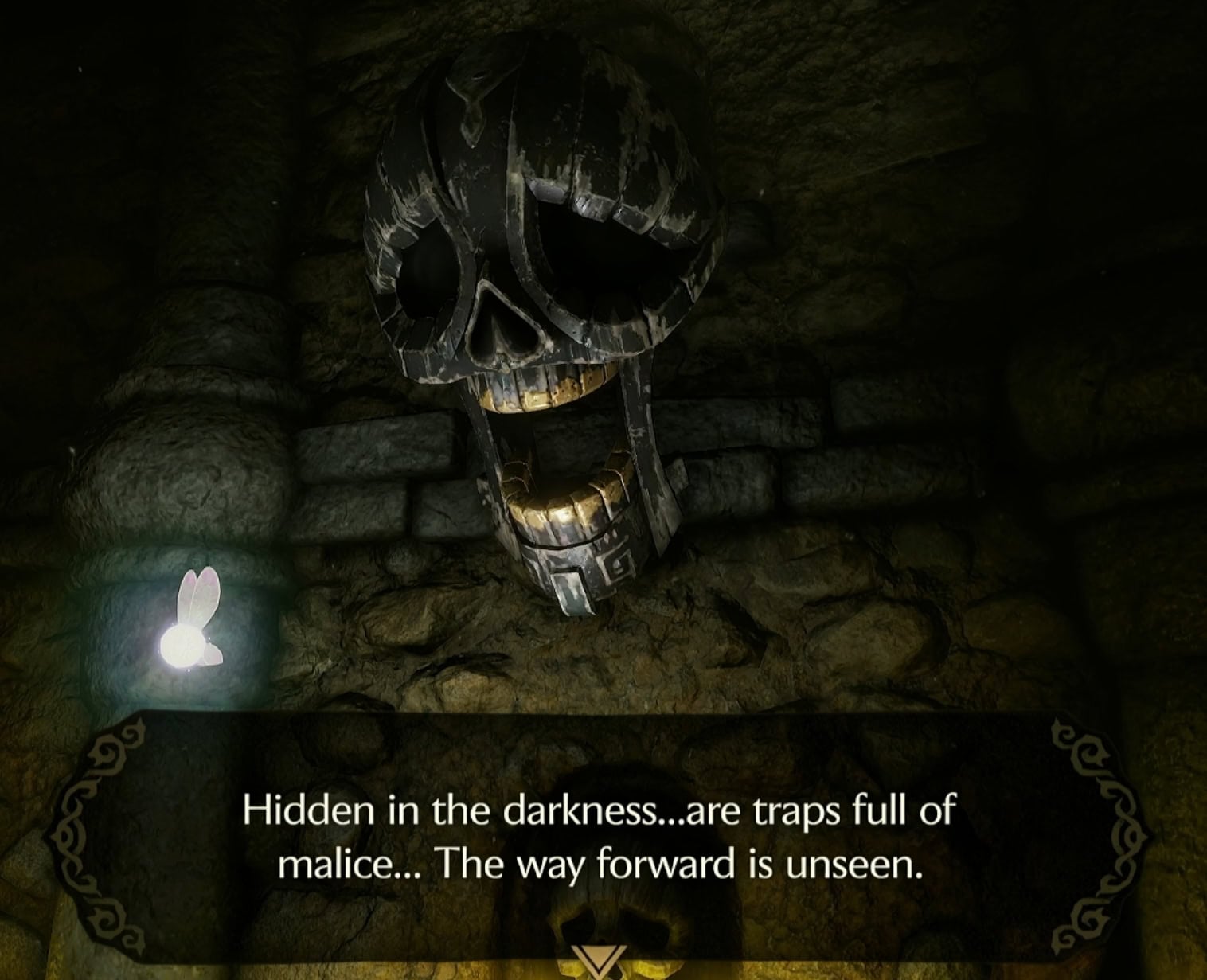
When something is too obvious or streamlined, it makes it feel like you’re being given a tour. Many of these dungeons are supposedly designed to keep out intruders, but it doesn’t always feel that way.
A more challenging layout isn’t a bad thing. Sometimes it’s fun to navigate an area that isn’t catered to your convenience. The Shadow Temple mostly grants that feeling in the sections that come after you get the Hover Boots.
Spirit Temple
Like the Shadow Temple, the Spirit Temple remains largely untouched. But I have to dock some points as you can’t Hookshot onto the statue’s nipples anymore.
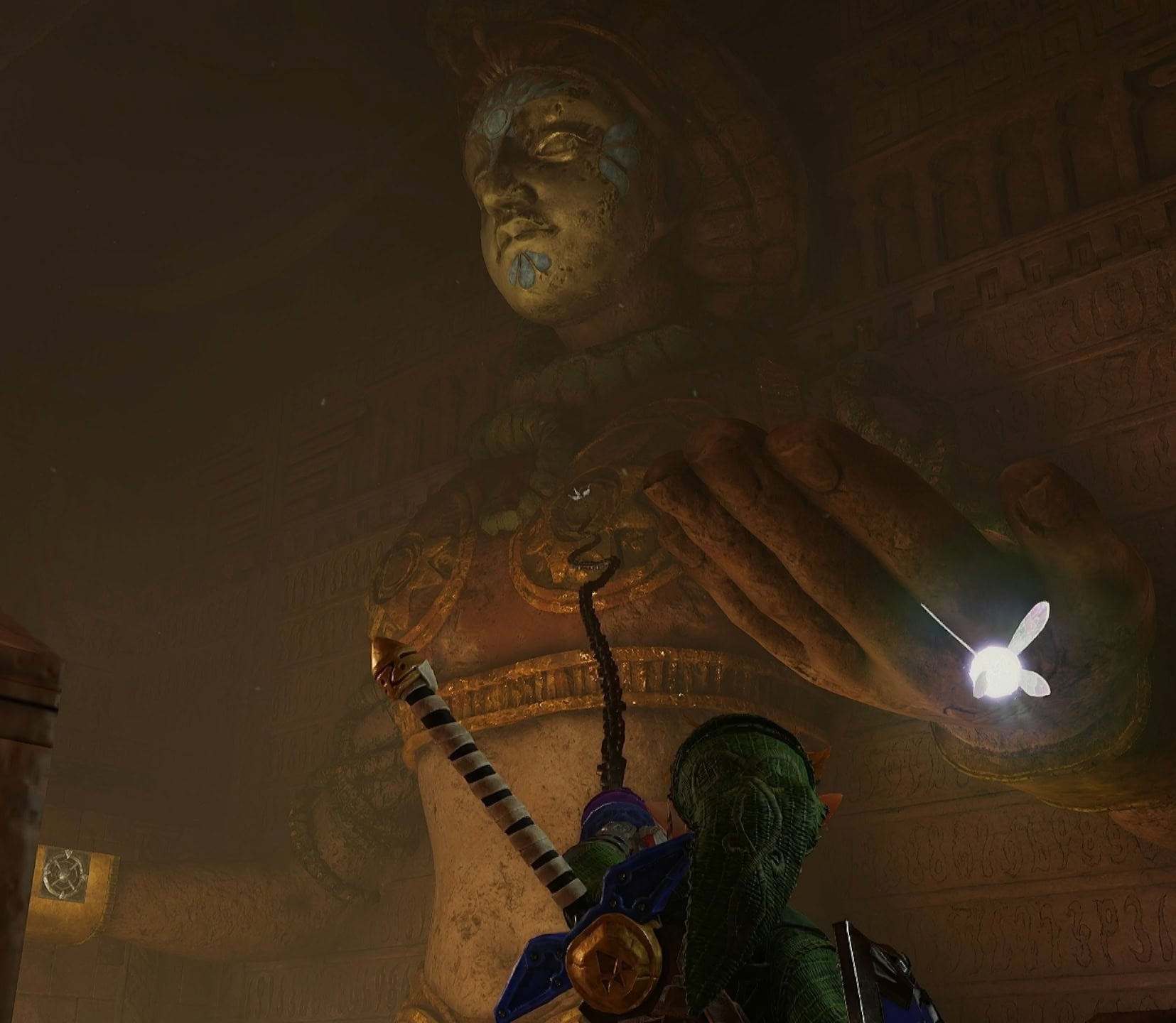
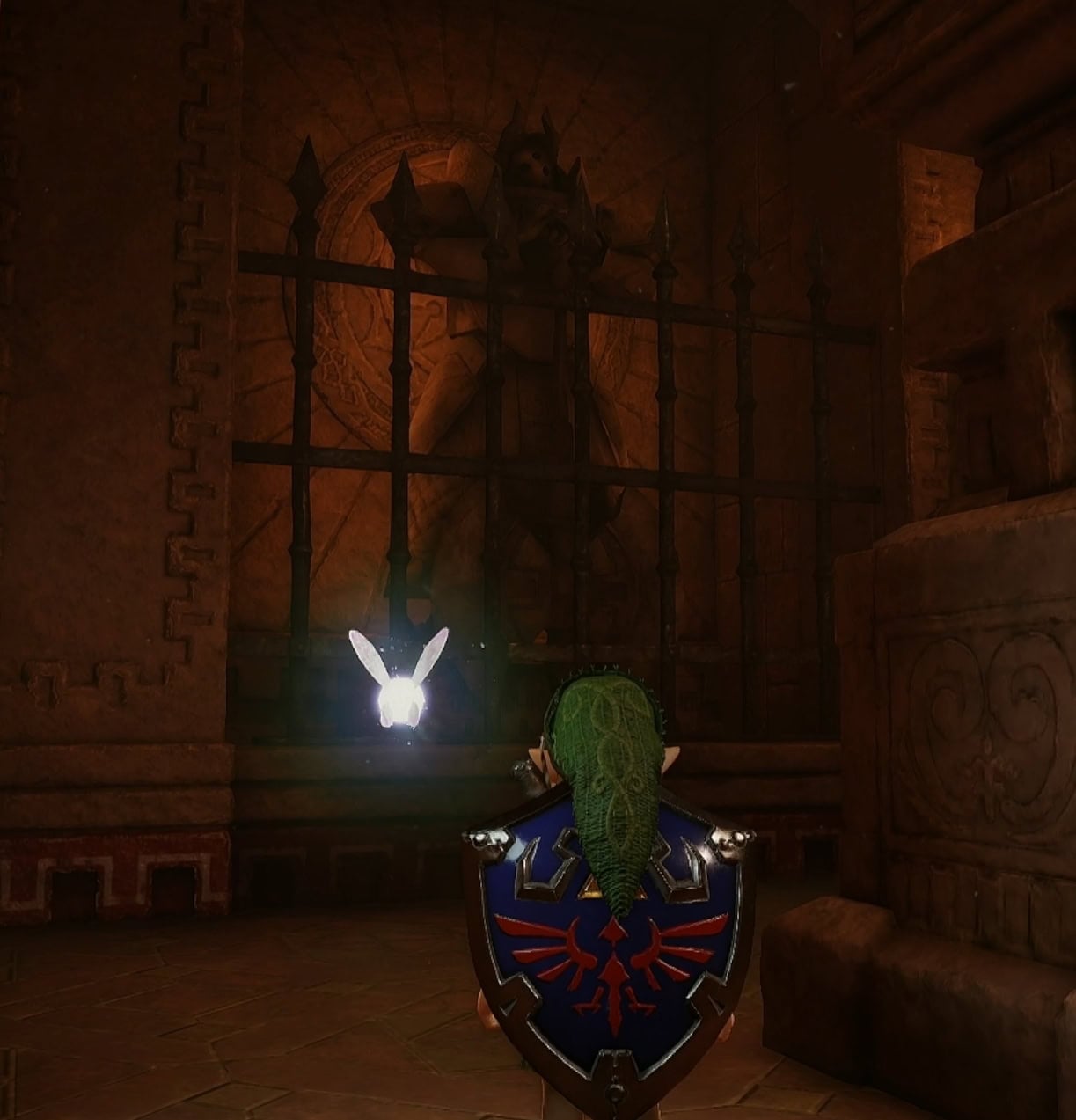
The architecture in this is incredible. It truly feels like an ancient temple where the Gerudo would come to worship their goddess. Oh, those statues of Iron Knuckles in their chambers? *Chef’s Kiss*
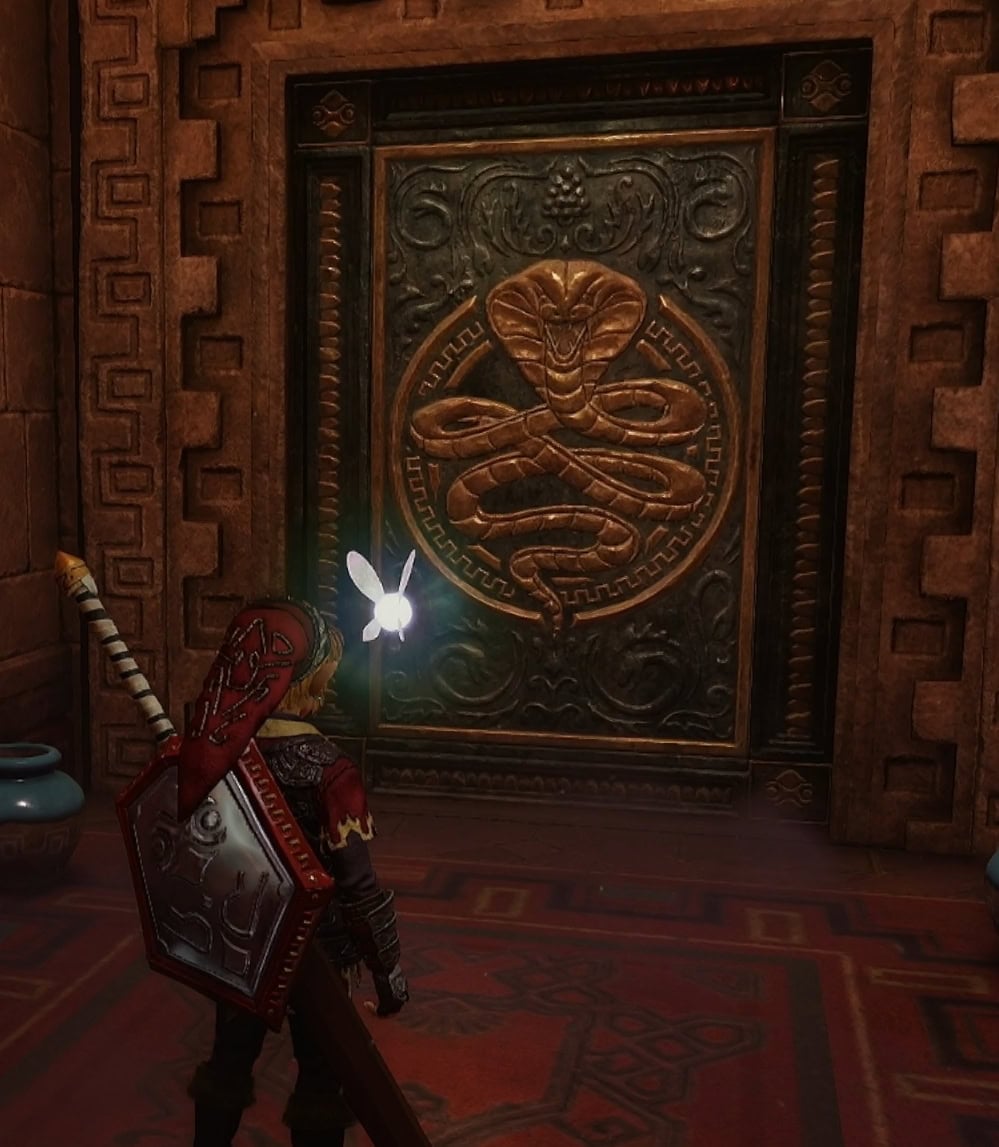
I spent a good chunk of time staring at that metal cobra door leading into Twinrova’s room. It’s a beautiful work of art and I want a poster of it.
Ganondorf’s Castle
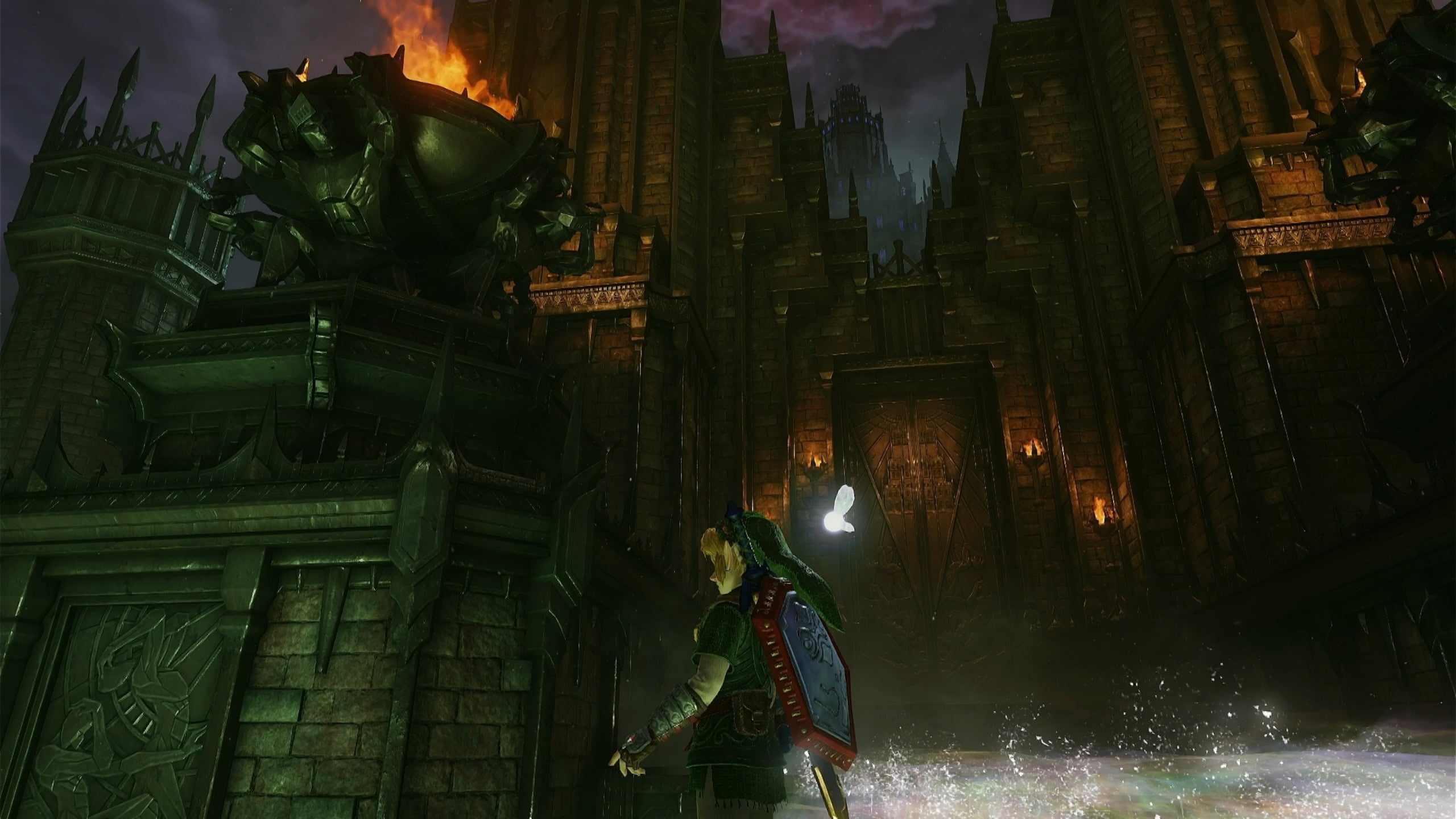
The redesign has worked wonders on the place. The theme overall feels like a mixture of dark gothic and art deco, creating a very unique feel that’s both grand and intimidating.
The front has a lot of good art such as the Hylian soldiers holding up the braziers, the appearance of either nude or flayed people on the doors, you can just tell that Ganondorf relishes in his conquering of the Kingdom of Hyrule.
However the puzzles leave much to be desired. They were already too easy in the original, I was hoping the remake would mix things up and redesign them.
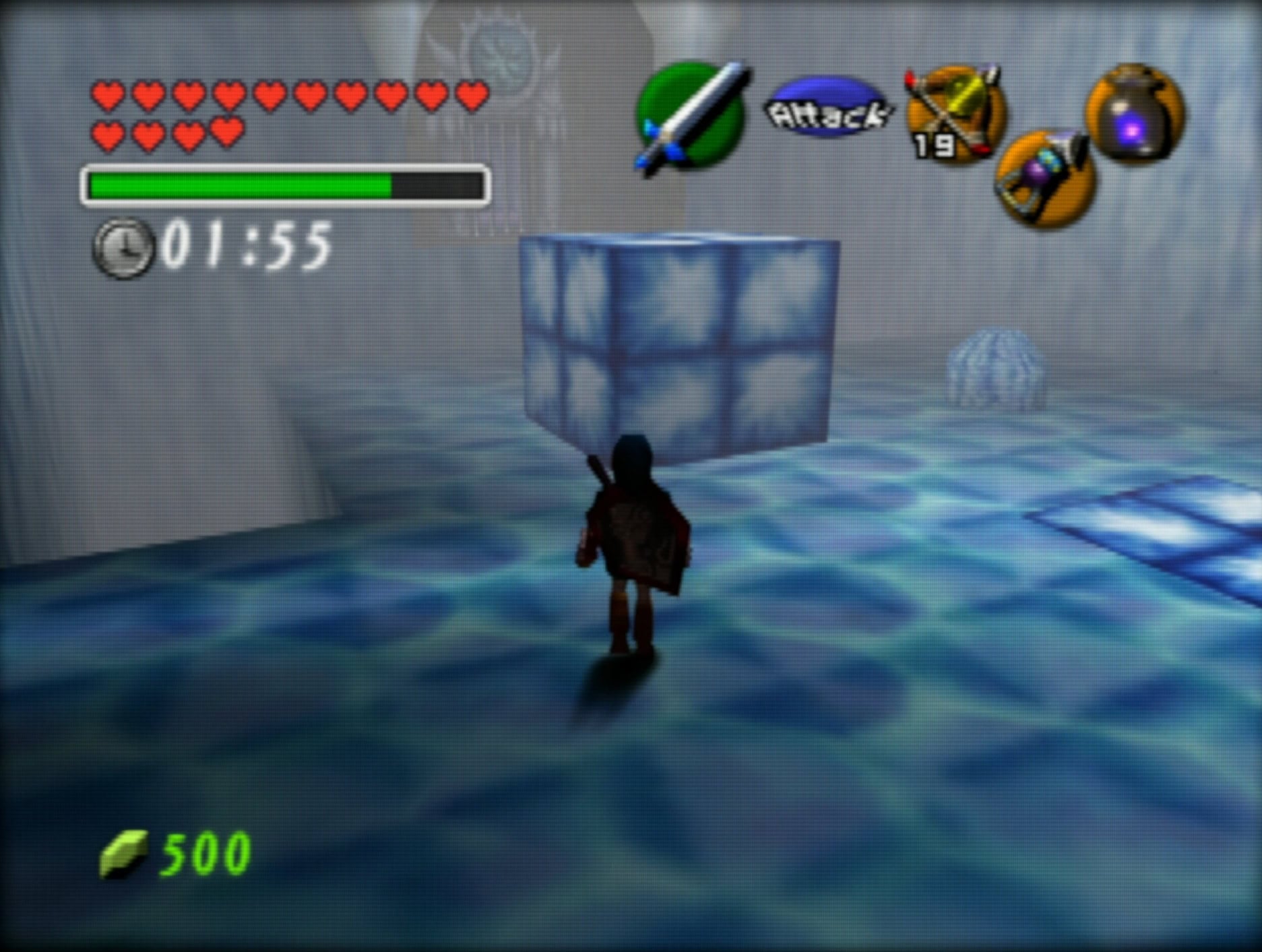
The Water Room within the castle got easier with the removal of a timer when solving the ice block puzzle. This is another problem I had with the game, a lack of consequence.
Many of the timers were removed, while some were kept in but shown visually such as a statue sinking in lava, or a gate slowly closing after hitting a switch.
I understand Nintendo wanted to add a lot more logic to this world to make it feel more grounded and believable, but some arbitrary timed challenges add a sense of pressure that forces the player to rely on quick thinking.
Though there are some good changes such as the Fire Room being blocked off by a gold and black pillar. Many players (including myself) got stuck there in the 90s because we couldn’t find the Golden Gauntlets (nor had any idea they existed).
Adding a golden pillar to the Shadow Room is a good touch as it shows you need an item to progress here. It’s also a good detail that the Golden Gauntlets are an addition on top of the Silver Gauntlets.
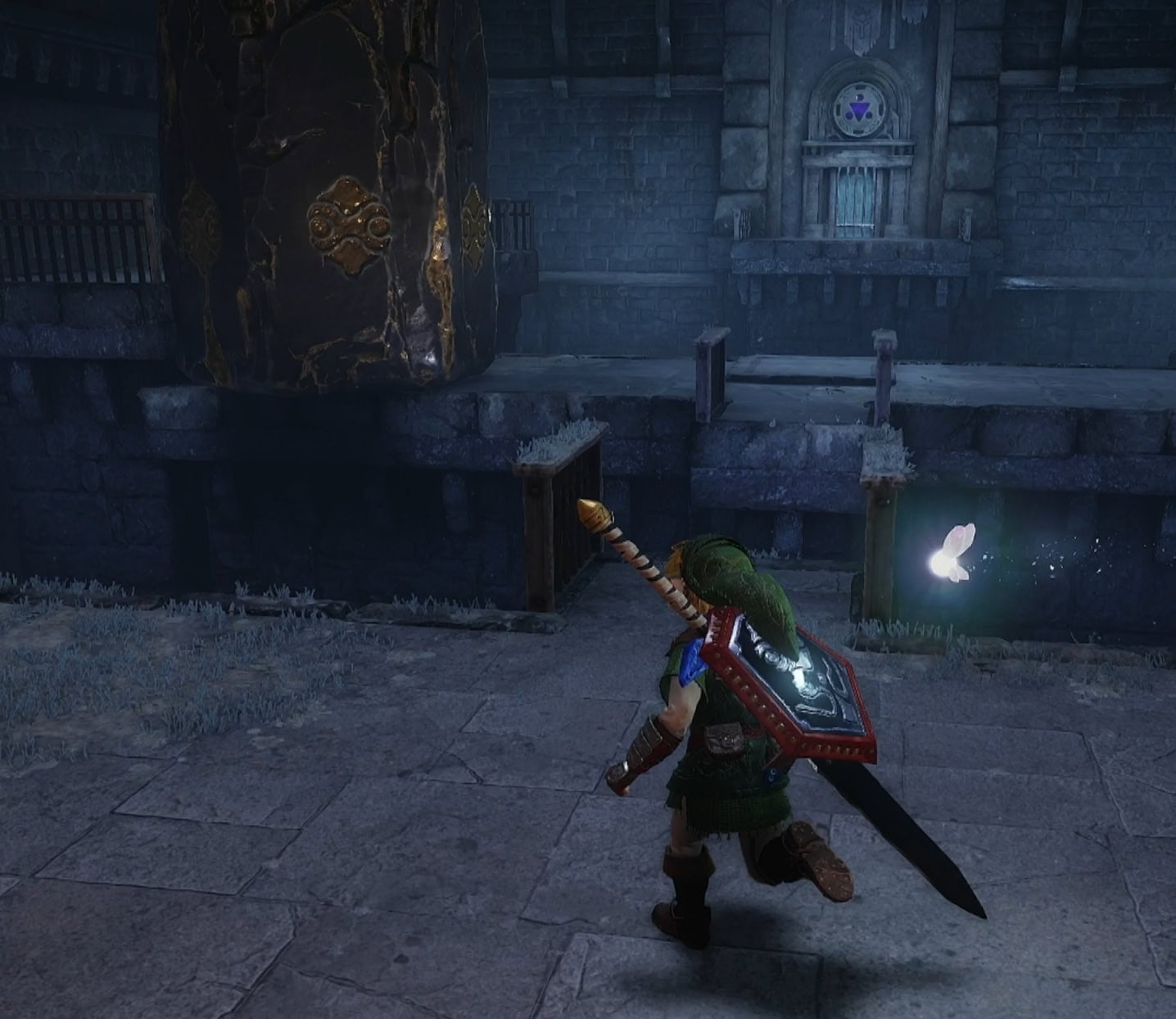
That’s a recurring thing with numerous aspects of design in this game. Building on top of something, adding to it, and giving it more character.
Art Style
What’s most likely one of the more divisive aspects of the game is the art style. This largely stems from the character’s large, glassy eyes.
When you look at the original art style, it has darker outlines, dynamic shading, sharp angles, and a more serious tone despite the bright, saturated colors.
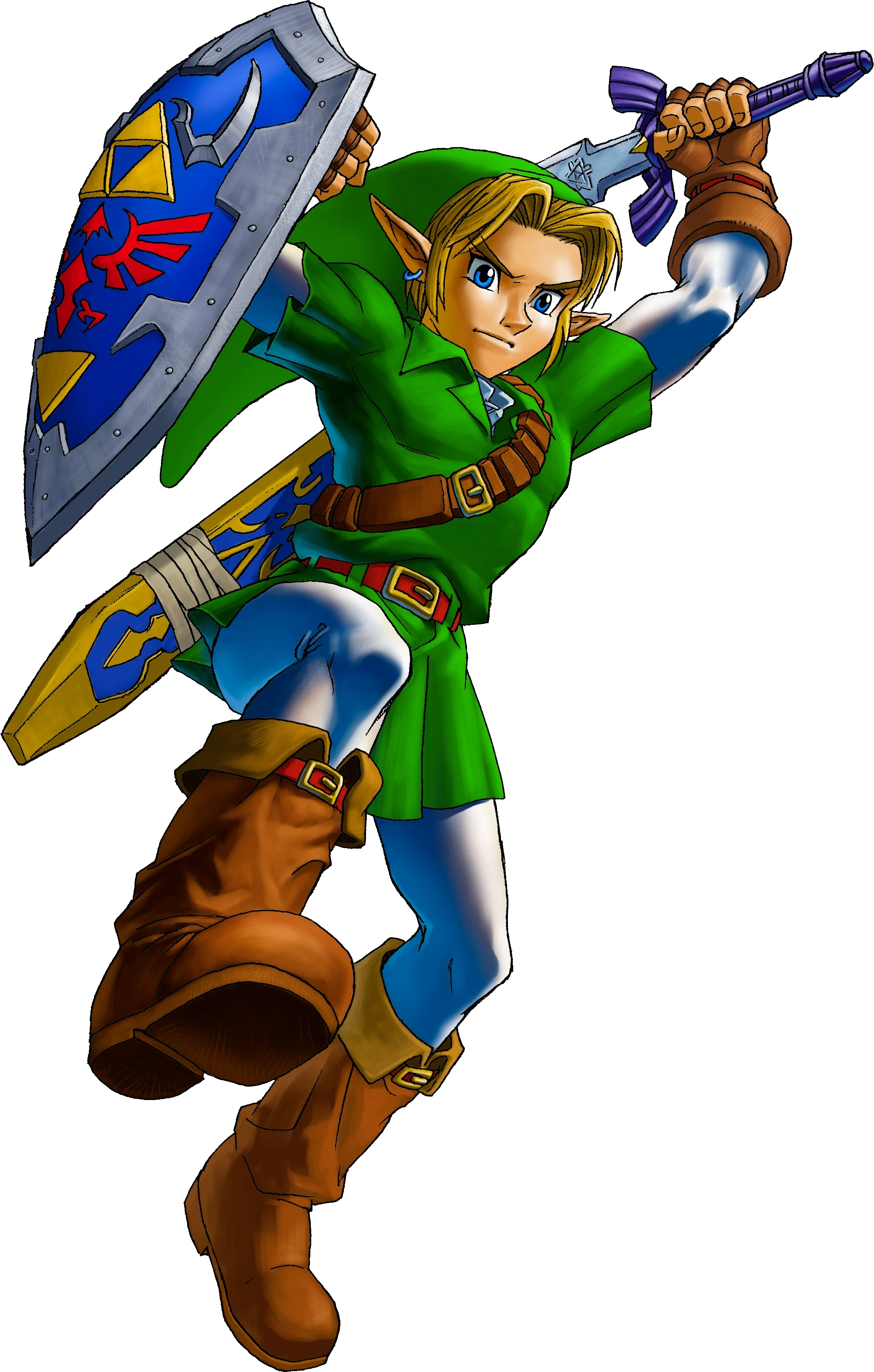
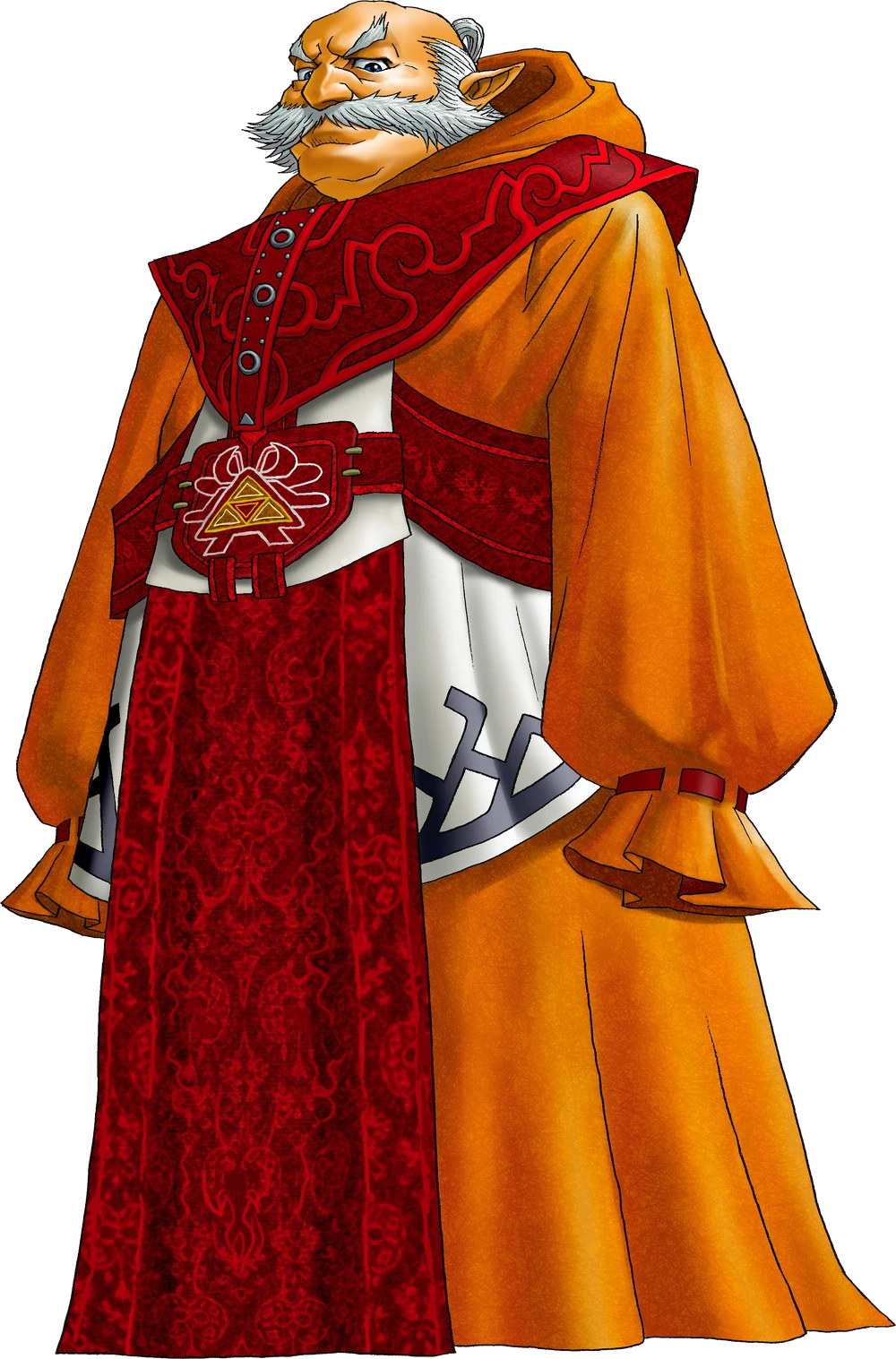
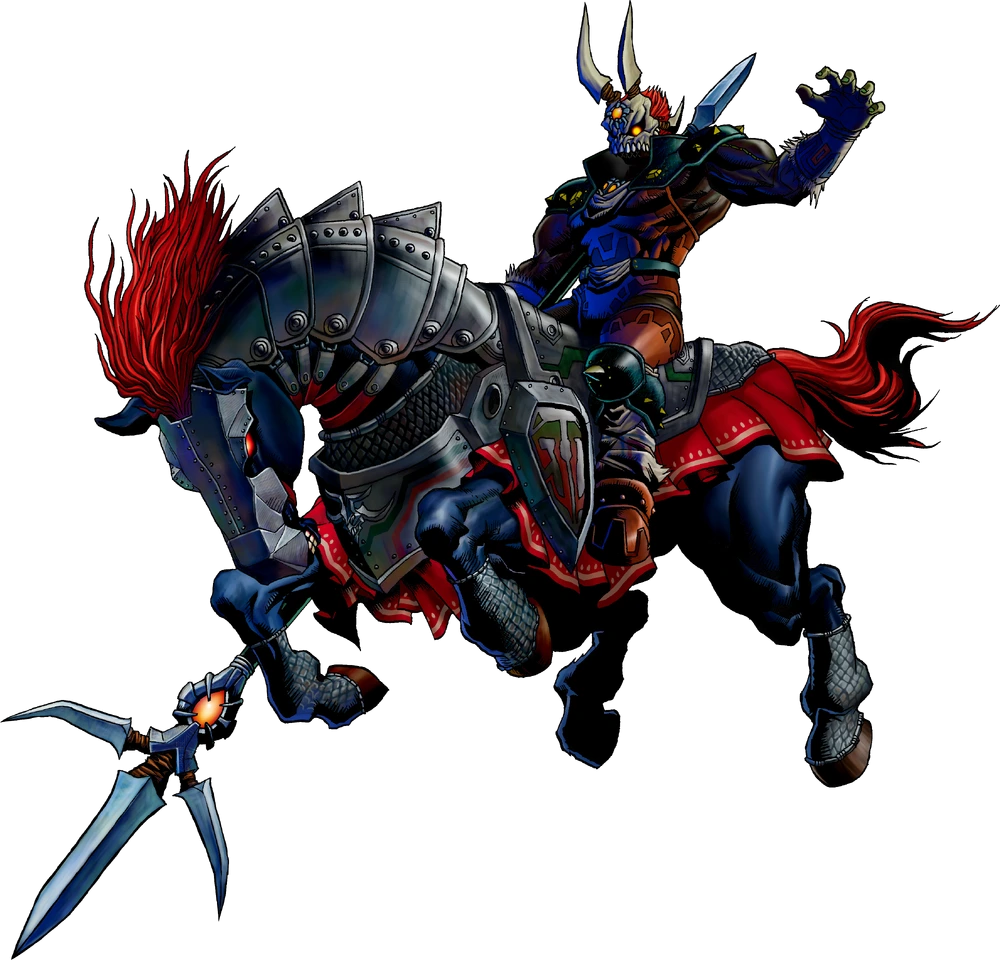
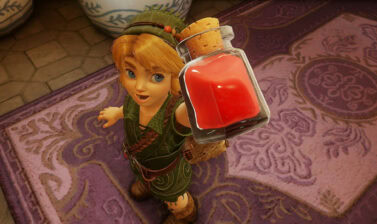
Meanwhile in the remake, almost everything has some kind of gratuitous texture. While Nintendo is trying to make things more logical, I fail to see the logic in making the Kokiri Sword have a rather thick blade with beveled filigree.
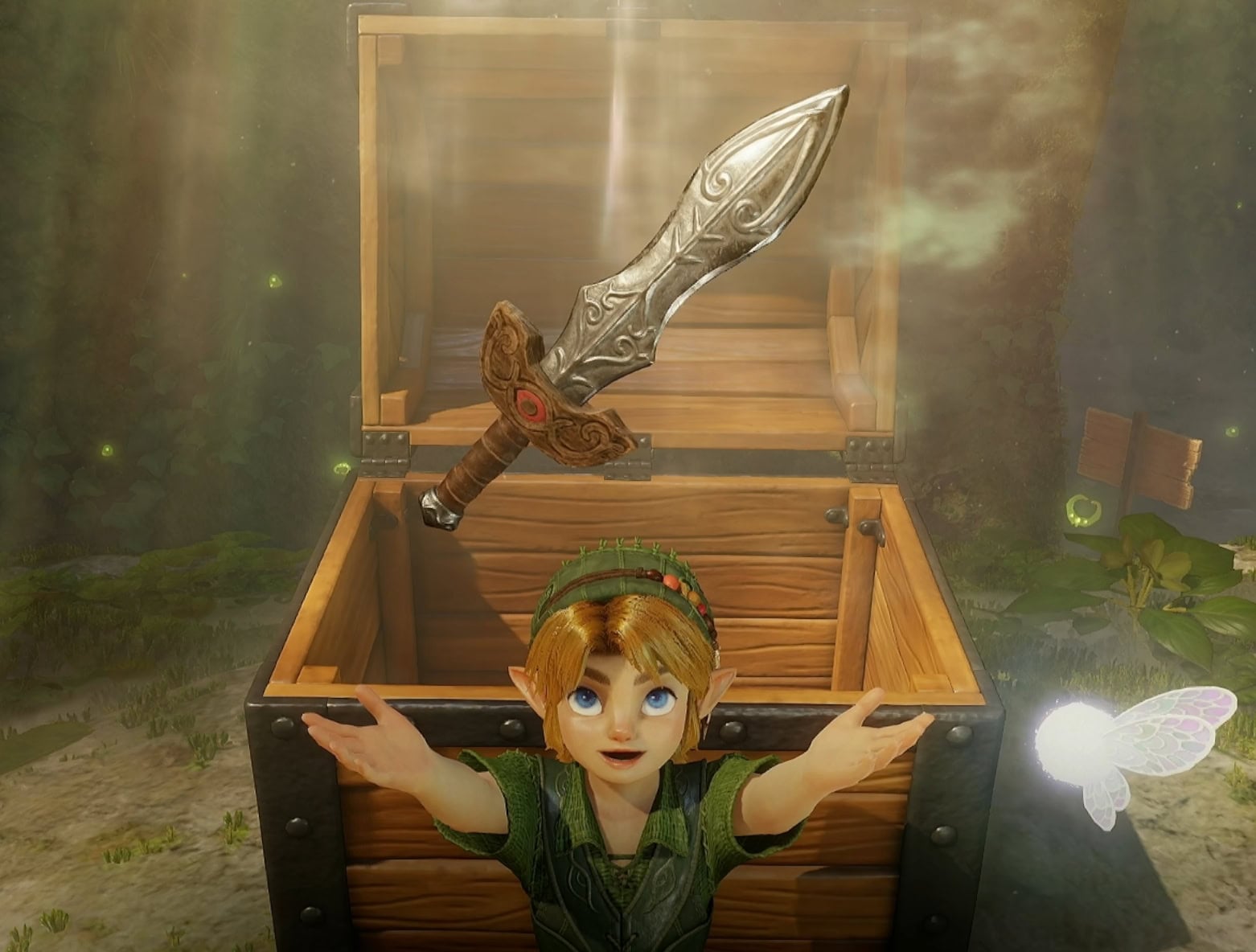
The more you play the game, the less you’ll mind it if you developed a bias for the original art style. It would not surprise me in the slightest if Nintendo took inspiration from the Unreal Engine fan-remake by CryZENx.
That aside, a significant inspiration to this art style are likely puppets. Particularly, The Three Musketeers (連続人形活劇 新・三銃士) Japanese TV series from 2009.
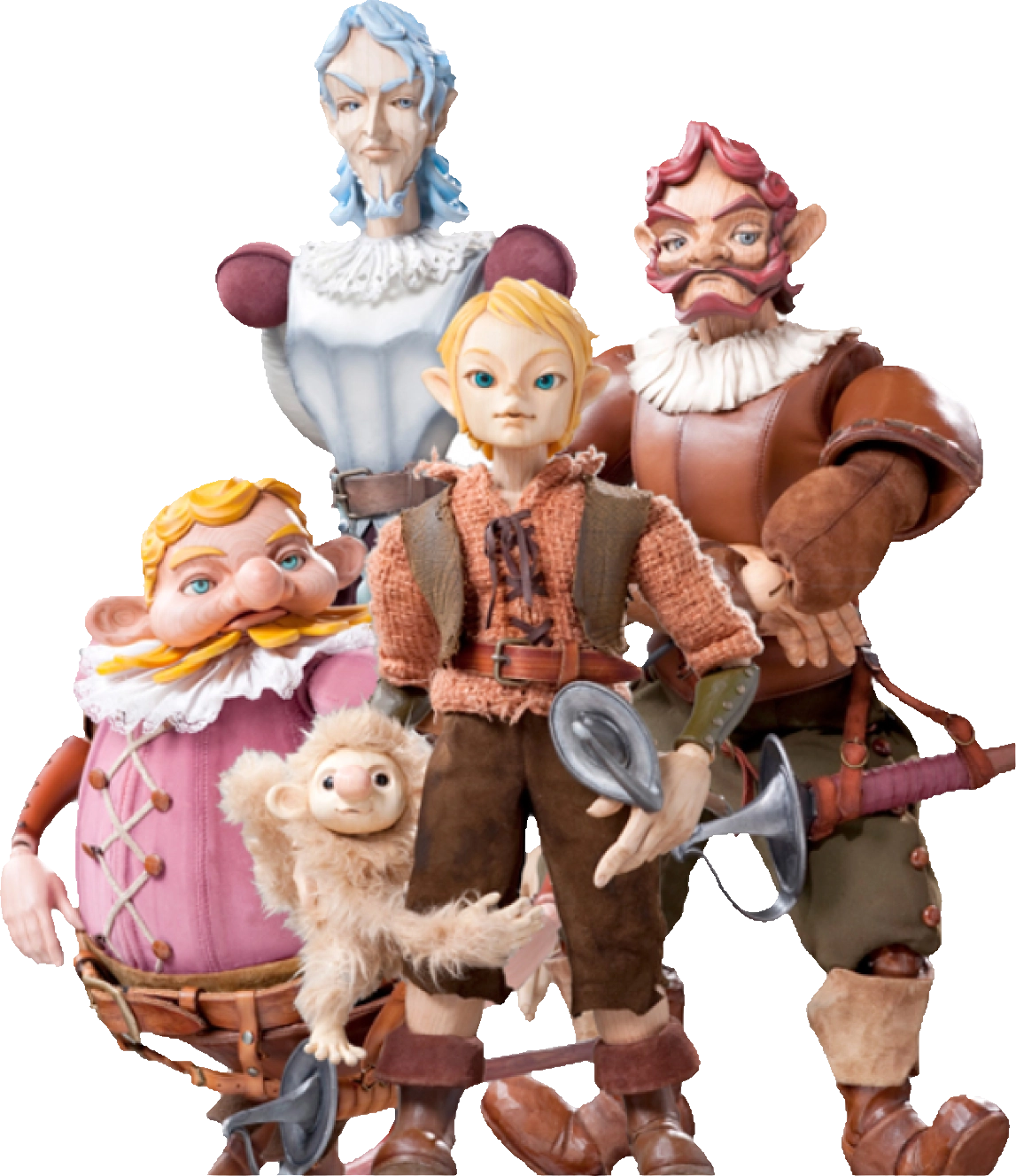
Taking a look at the characters from this series, long time Zelda fans may think “These characters look like they’re from Twilight Princess”.
Between the glassy eyes and the thick textures on Link’s Kokiri Tunic and Hero Clothes, the puppet inspiration shines through.
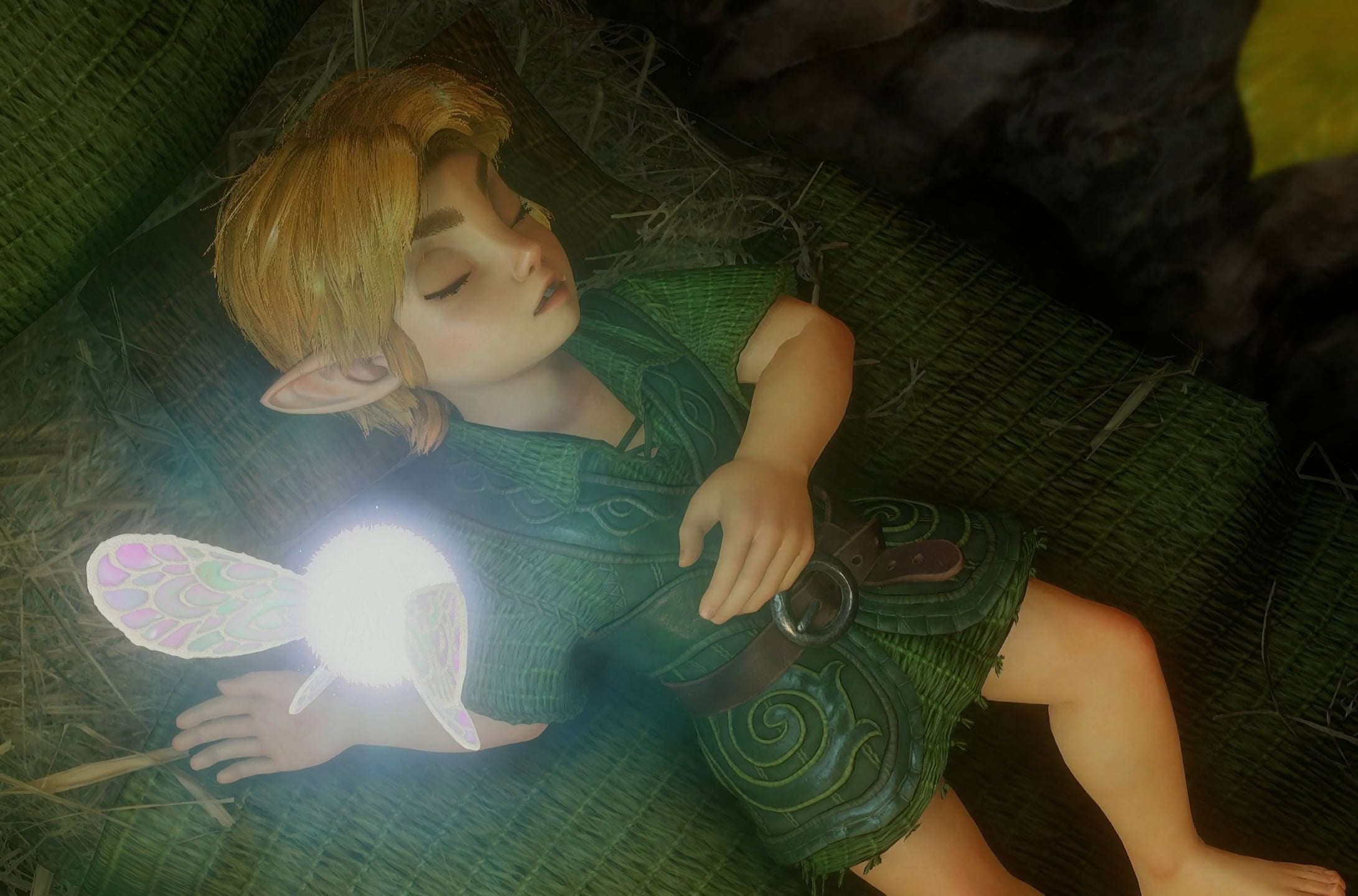
Puppets are small, so even clothes with fine textures may appear more thick than they would be on a person. Another example of the puppet inspiration is this one scene where a fight is about to break out, it almost looks like Hyrule Castle Town!
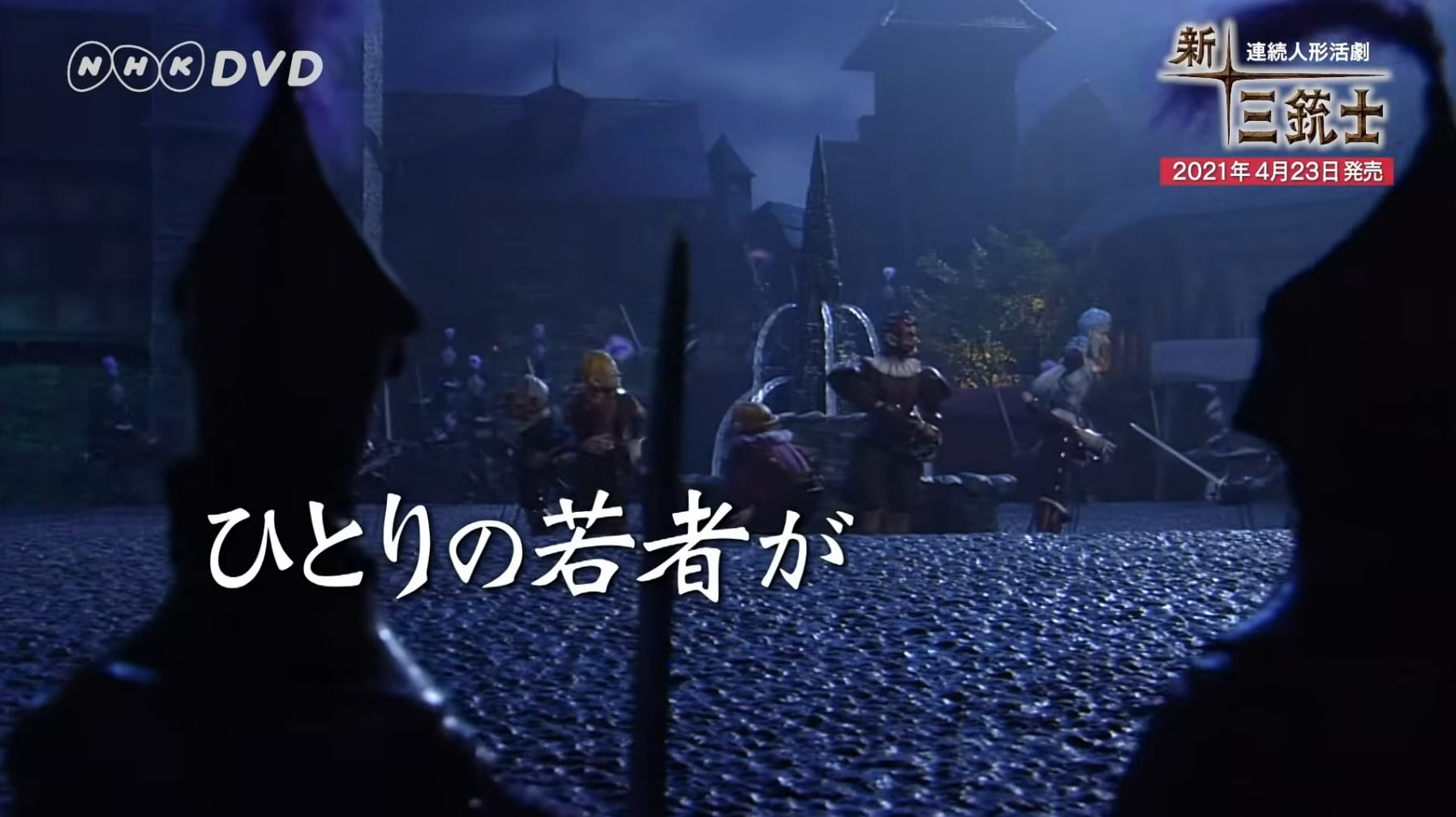
Granted, Hyrule Castle Town came 11 years before, but this version of the game is telling the Hero of Time’s story from a more theatrical way.
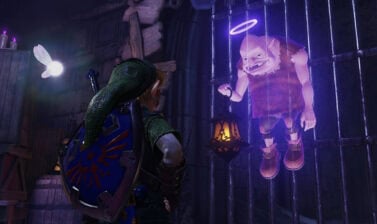
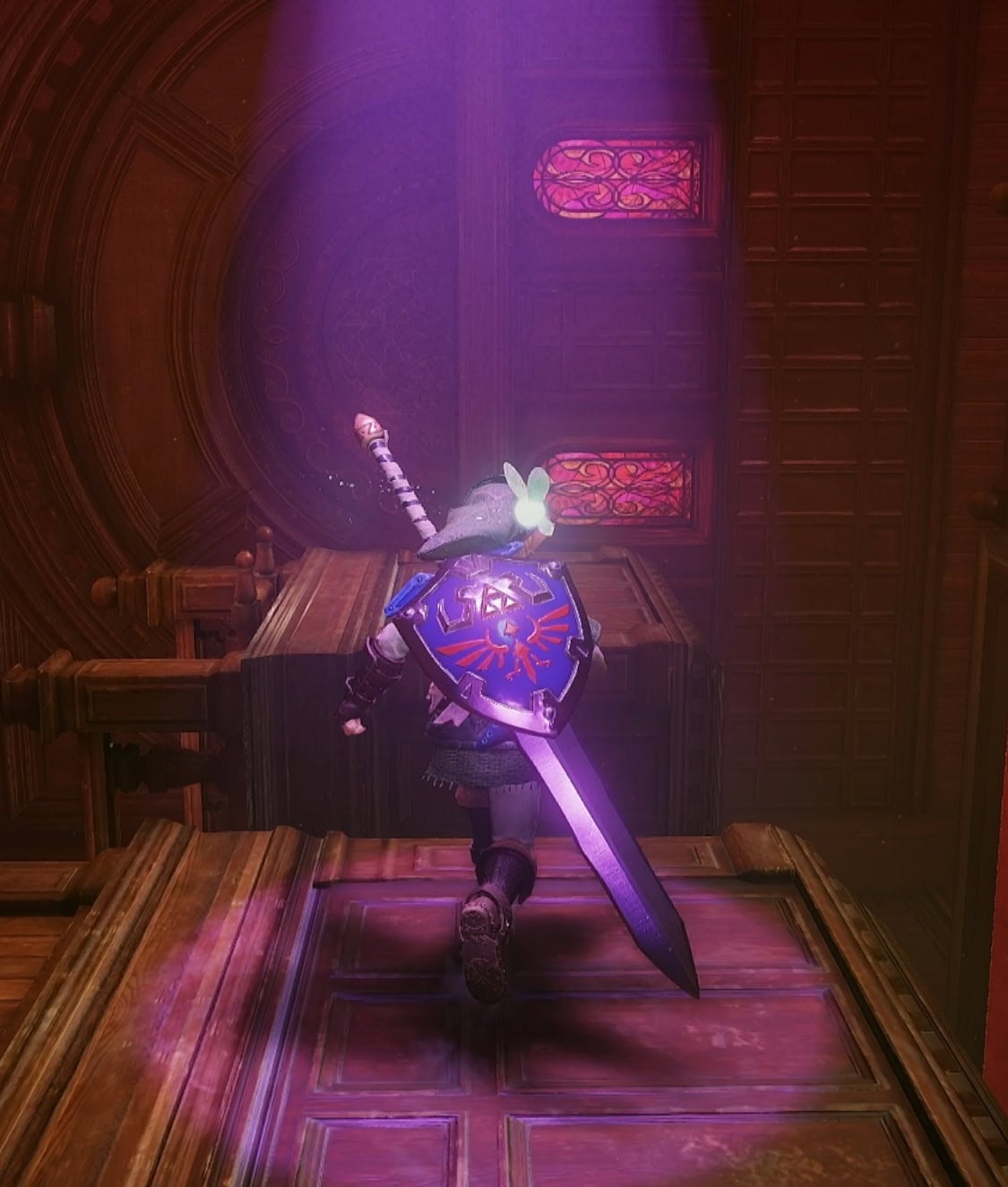
Even the Wallmasters fit this theme as they now have a colored spotlight instead of a shadow hovering over Link. While this makes it too obvious to know when one is coming, it does fit the feeling of “this is a show”.
One great design element is that there’s a large amount of diversity with the faces of characters. Despite being drastically different, they still feel like part of the same world.
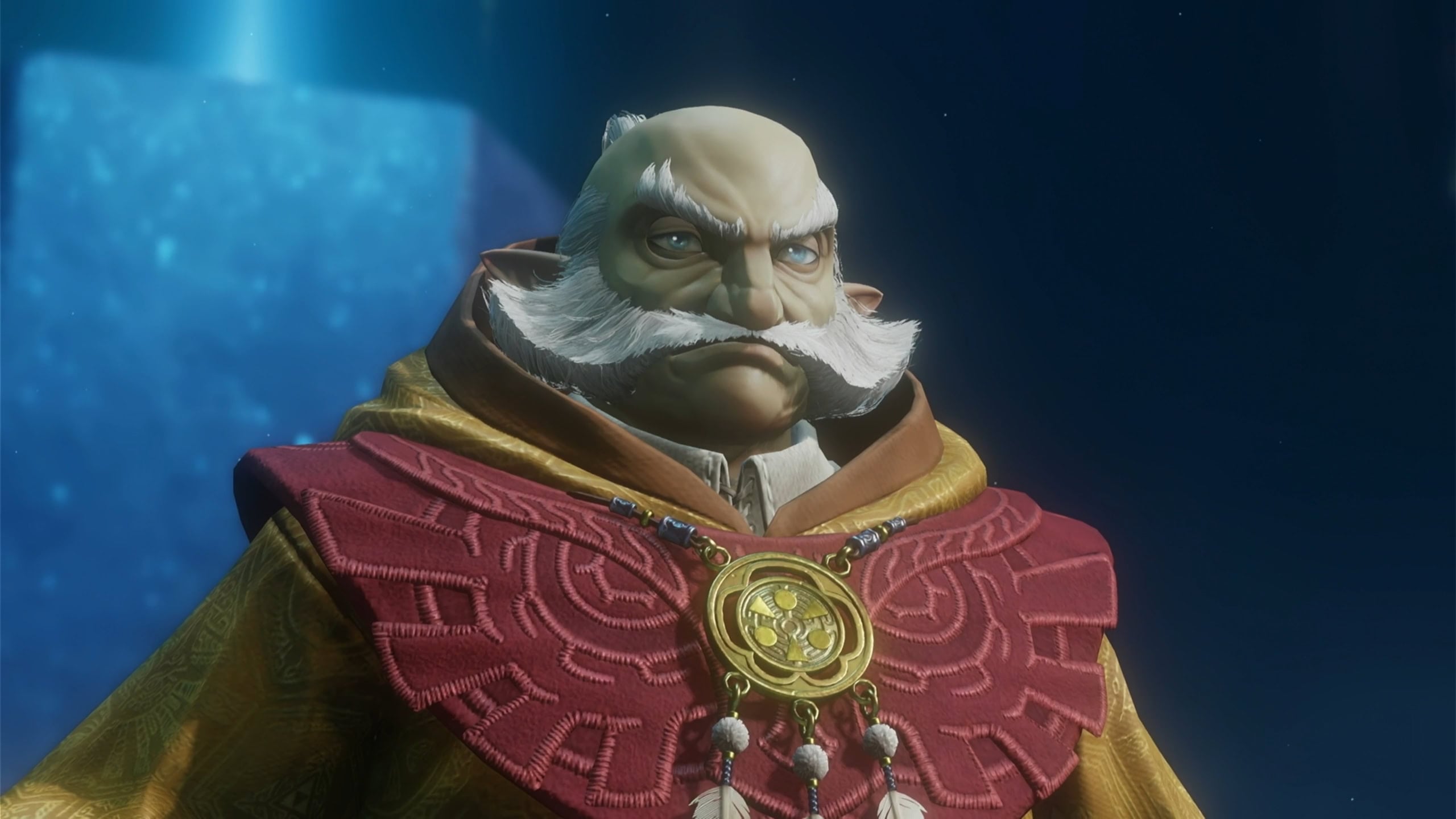
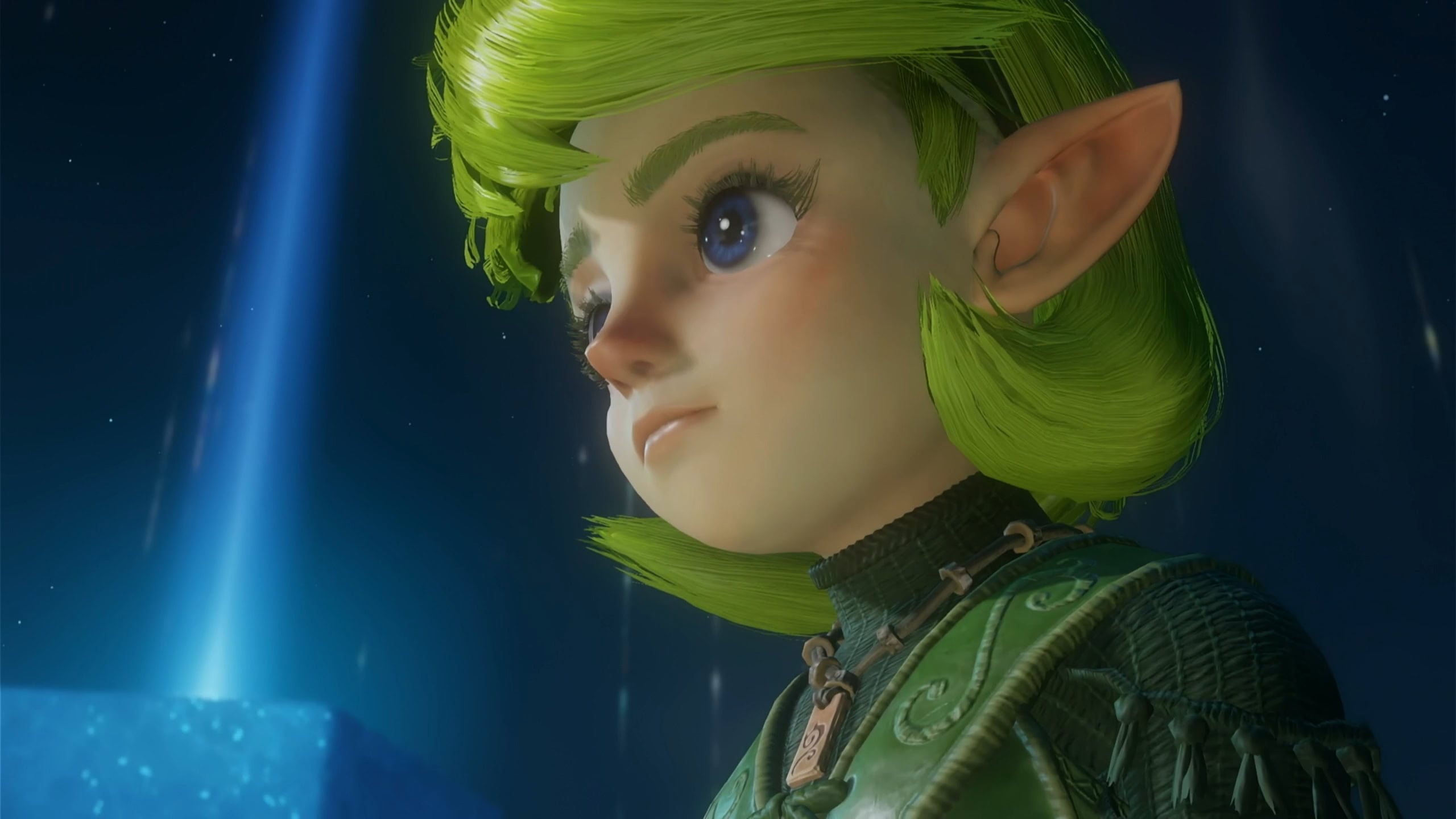
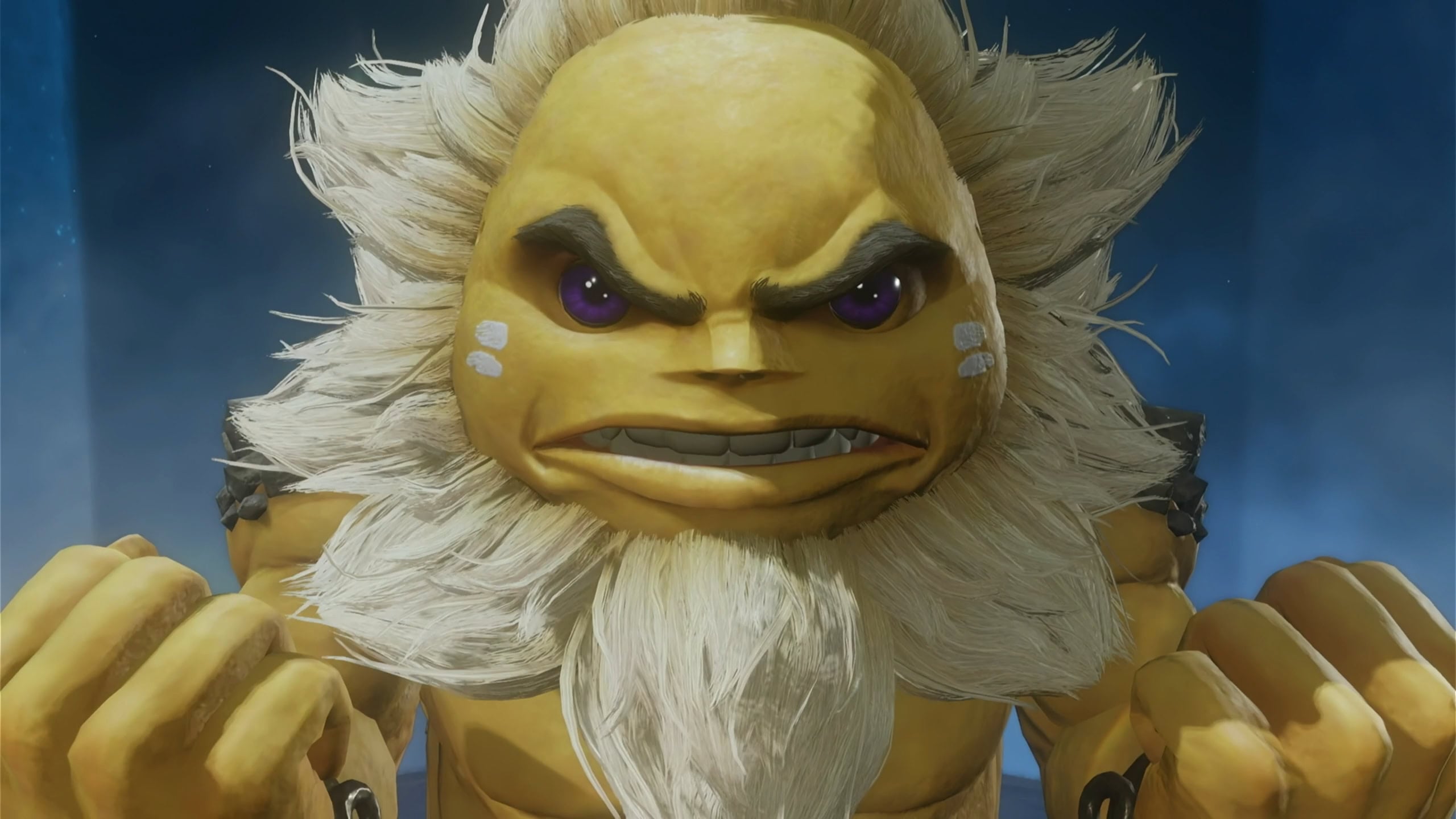
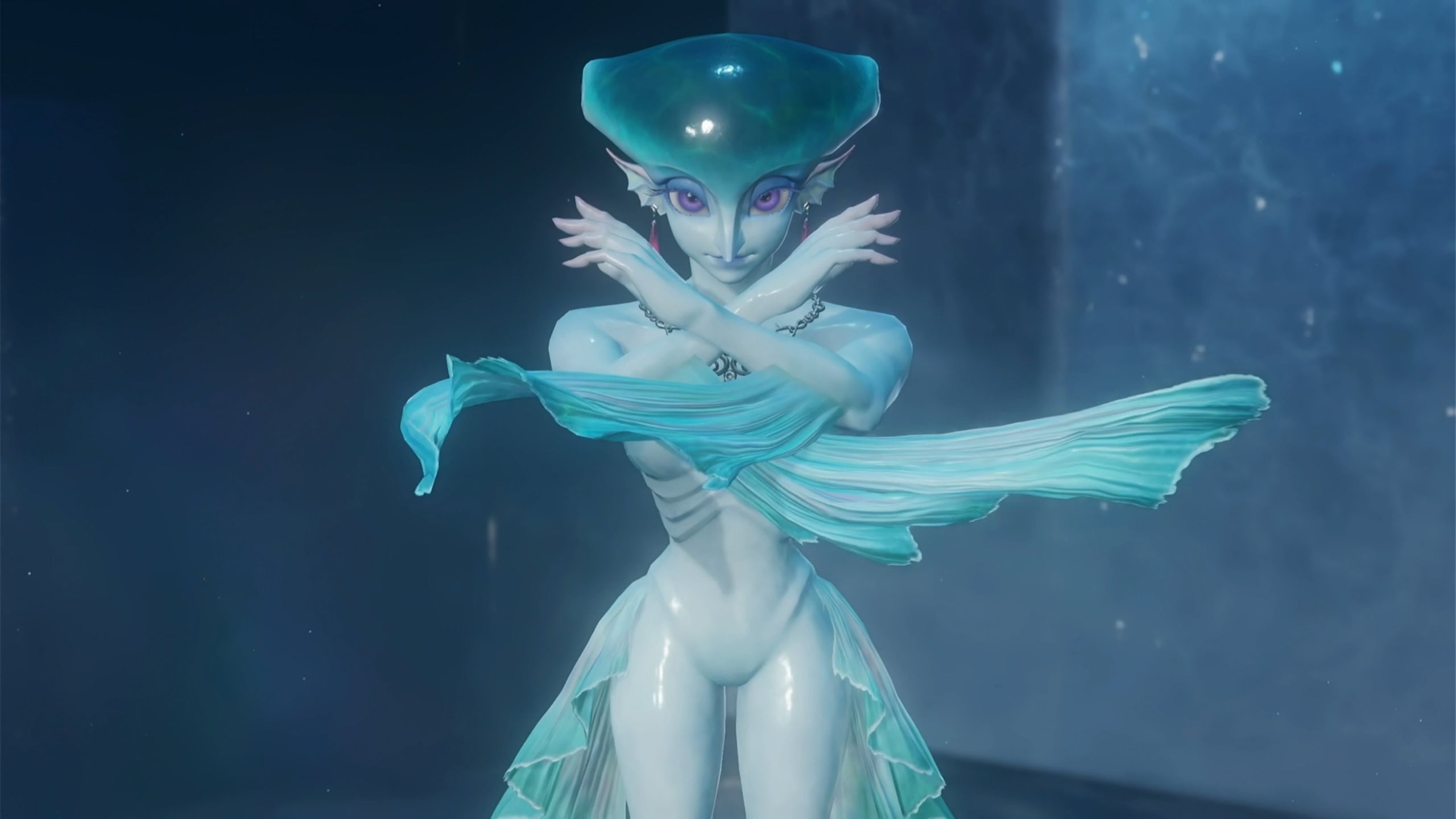
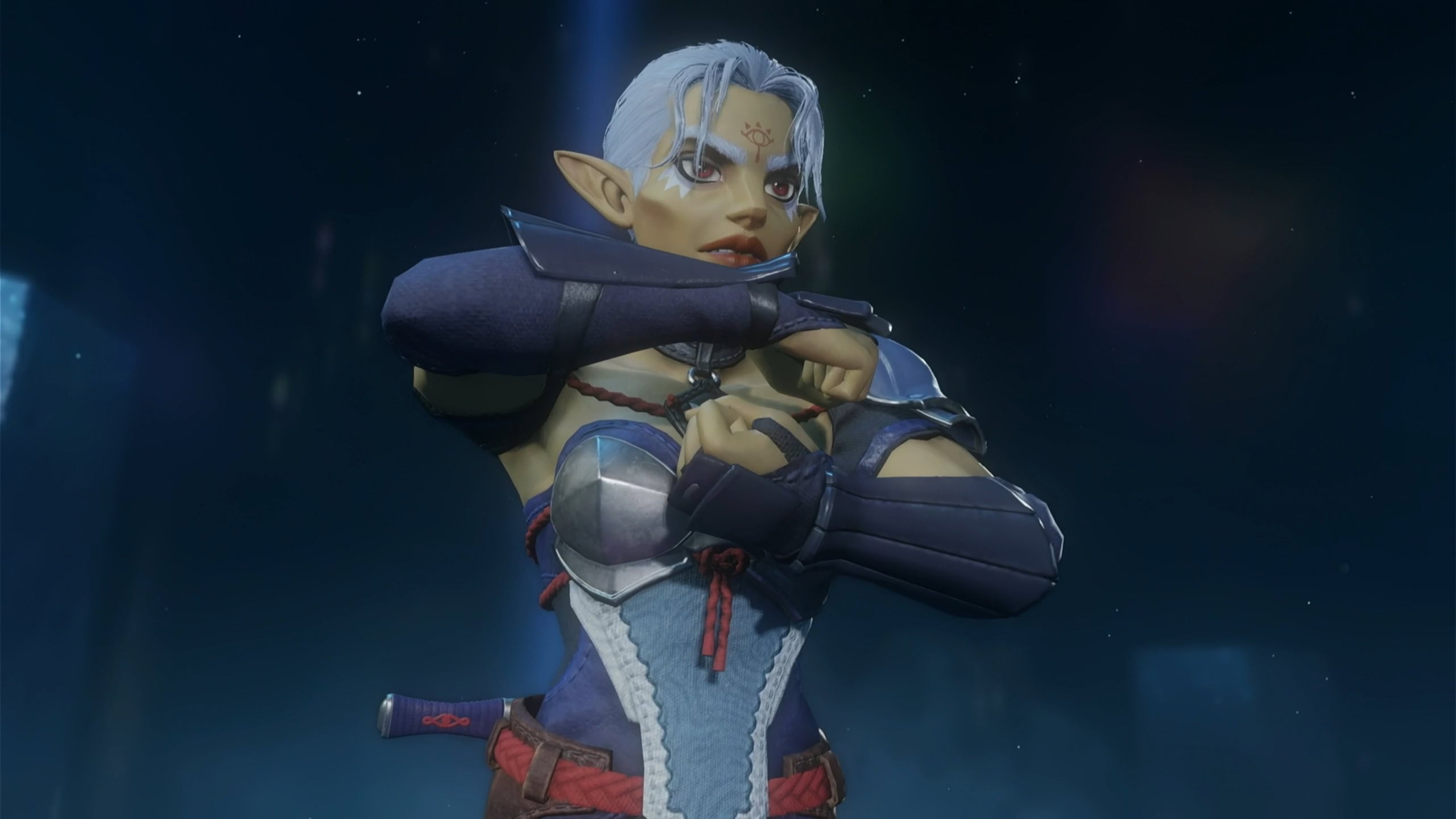
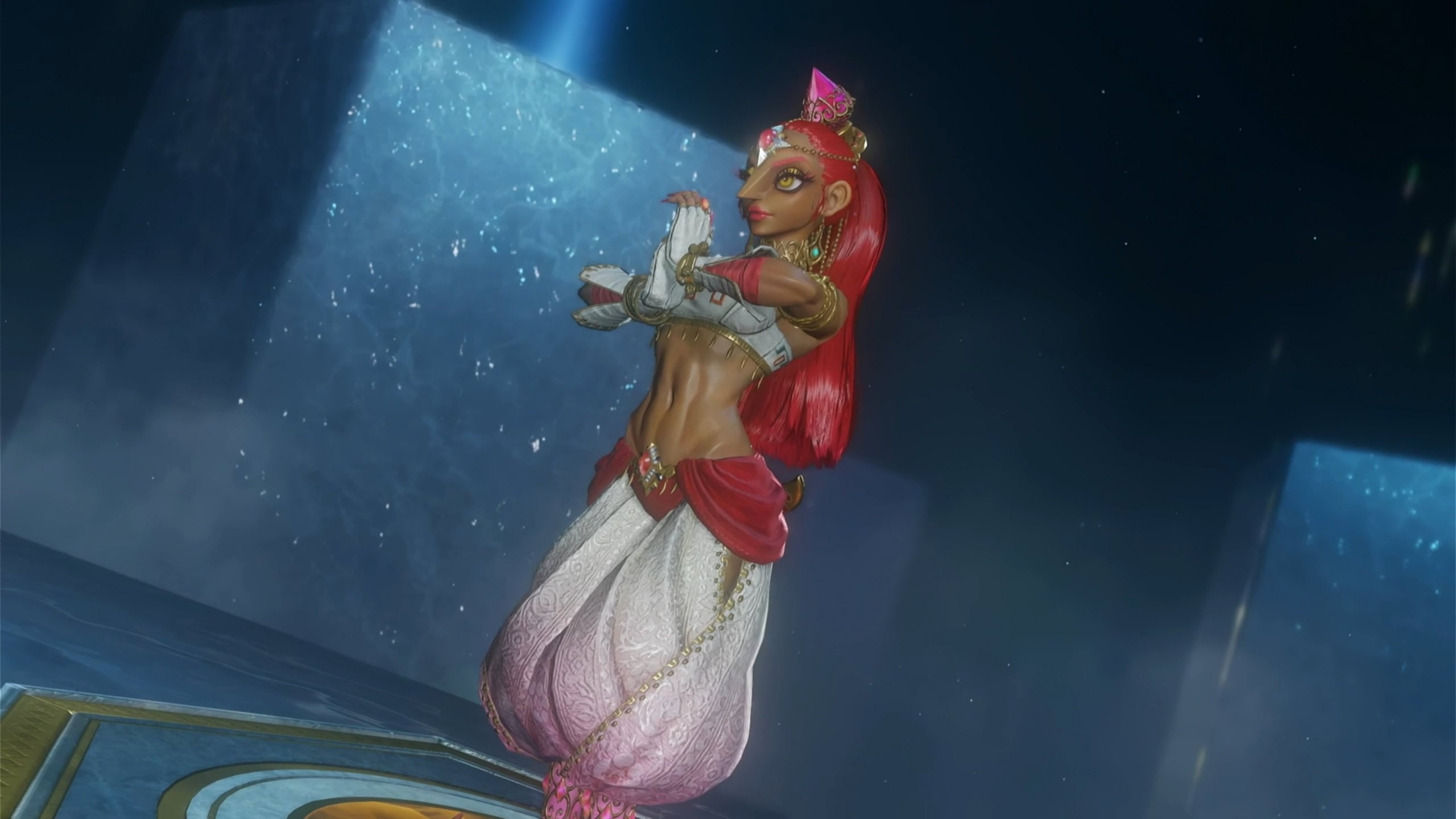
It’s easy for some games to just reuse a face and slap on new hair or accessories (Overwatch). It’s nice how Nintendo put in the extra effort for diverse yet cohesive designs.
One final note on art style, when haven’t the fans hated the art style of a new Zelda game? People were disappointed with Wind Waker with its cute cel-shaded style, but it’s now a beloved favorite.
People thought Twilight Princess’s art style felt weird with the exaggerated character designs. Then there was Skyward Sword that made things feel like a living painting.
The hate comes and goes, but so long as it has a good story and great gameplay, these things are often overlooked in time.
Gameplay
Gameplay felt great overall, but needs some minor tweaks. One issue that kept coming up was not being able to fine-tune controls and the UI.
You almost never see the ability to remap controls to your liking in Nintendo games. It would have been nice and added some functionality to some of the Nintendo Switch Online controllers like the Gamecube controller.
I often found myself pausing to swap between Pro and Master interface modes for the sake of getting screenshots for the guides I’ve written.
I would have liked to toggle individual aspects so I can remove things like the targets over an enemy, remove the crosshair when aiming, but being able to keep Navi’s speech bubbles as I roam around.
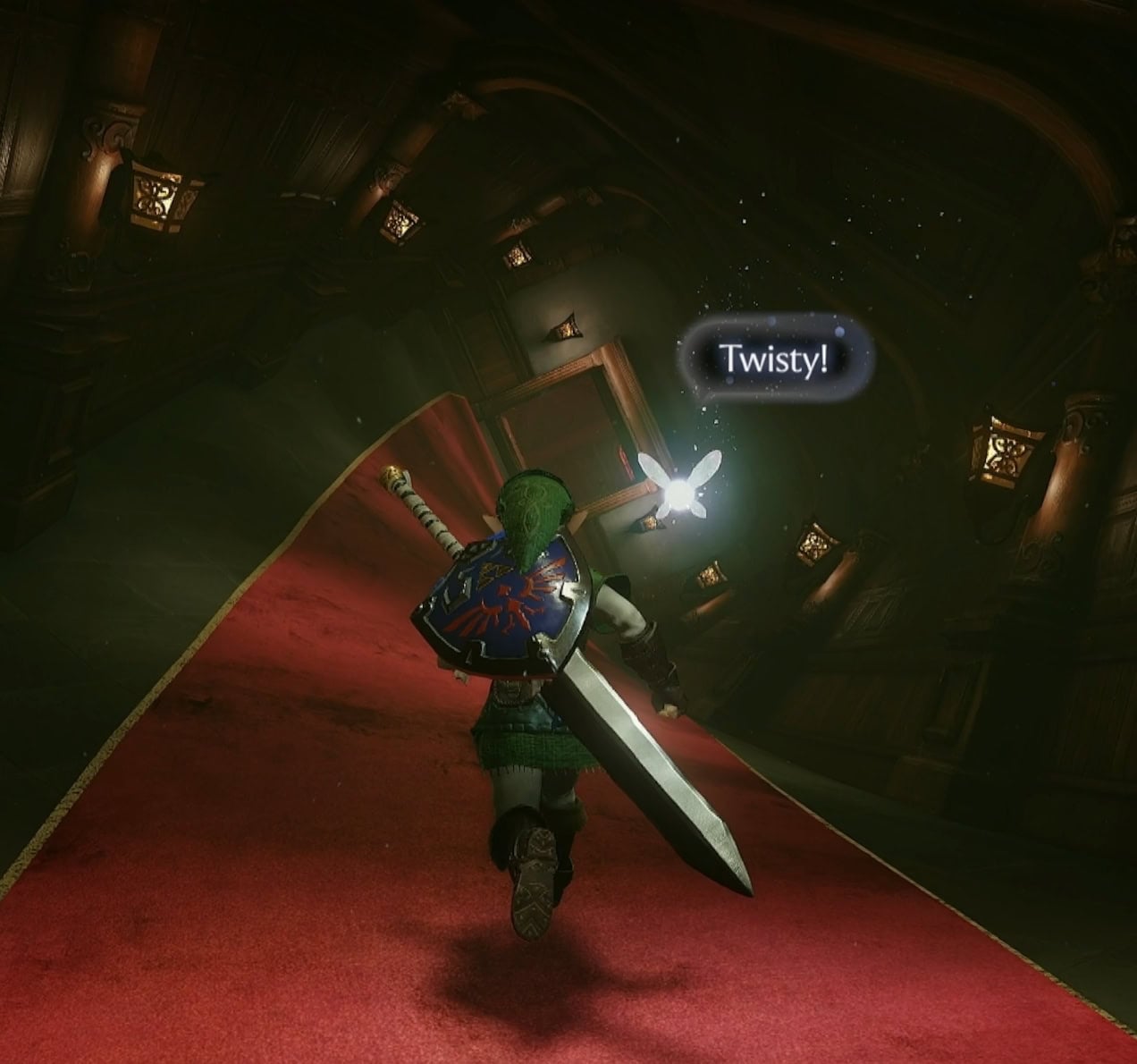
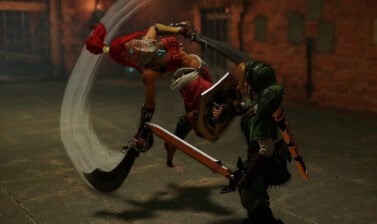
The combat feels good though I think the impact frames take up too much of the screen at times. All of the enemies have a bit more depth to their move sets while remaining familiar.
Enemies like Stalfos, Lizalfos, and Dinofols still have that “wait your turn” style of combat, but it feels faster and more energetic. It can be punishing to older players who are used to these fights being slower.
Even then, the fights don’t feel that difficult overall. Tougher enemies can just dodge or block Deku Nuts or Arrows, so you can’t go through most of the game fighting mostly with the Megaton Hammer, Bow, or magic.
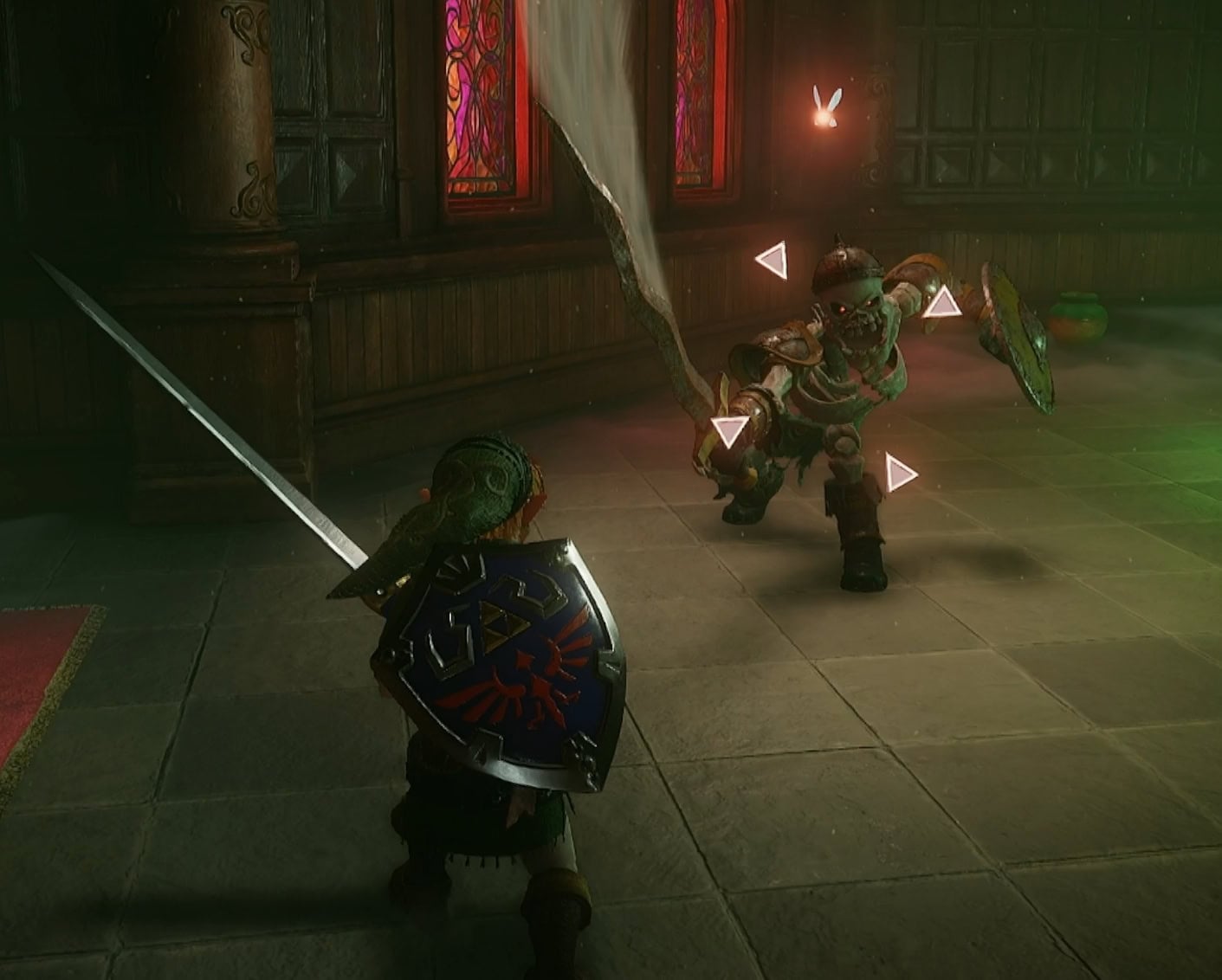
That was a problem I had with the original, I wanted more styles of combat. We got this in Breath of the Wild and Tears of the Kingdom, but we didn’t get this with the Ocarina of Time remake.
The changes to the Biggoron Sword were great. The delay before each swing is a good touch, making it more of a challenge to use. It also doesn’t make it flat out better than the Master Sword.
Using the Sword and Shield is much better for enemy encounters where they have shields or can otherwise block your attacks. It’s possible to do with the Biggoron Sword, you just need to adapt to dodging more than blocking.
One excellent change was scarcity of items and rupees. Since you can’t easily farm rupees like the original, you have to be more mindful of how you consume items or spend rupees.
Final Thoughts
Overall, it’s a great game and a great remake. Nintendo just needs to start having faith in people’s intelligence and give them tougher puzzles and more involved combat.
I’m not looking for Dark Souls level difficulty, but a puzzle that’s more than a “that’s right, it goes in the square hole!” would be a healthy change of pace.
Is it worth getting a Switch 2 for Ocarina of Time? Just barely, but as it is at the time of this review, there aren’t too many Switch 2 games worth being excited about.
If you already have a Switch 2 or love the Legend of Zelda series, it’s definitely worth getting. The themes of starting out as a child and becoming an adult will definitely ring true to those who played the original in 1998.
Review Card
You can’t go wrong with getting a copy of Ocarina Time whether it’s for a long-time fan, as a gift, or if you’re delving into the Legend of Zelda series for the first time.
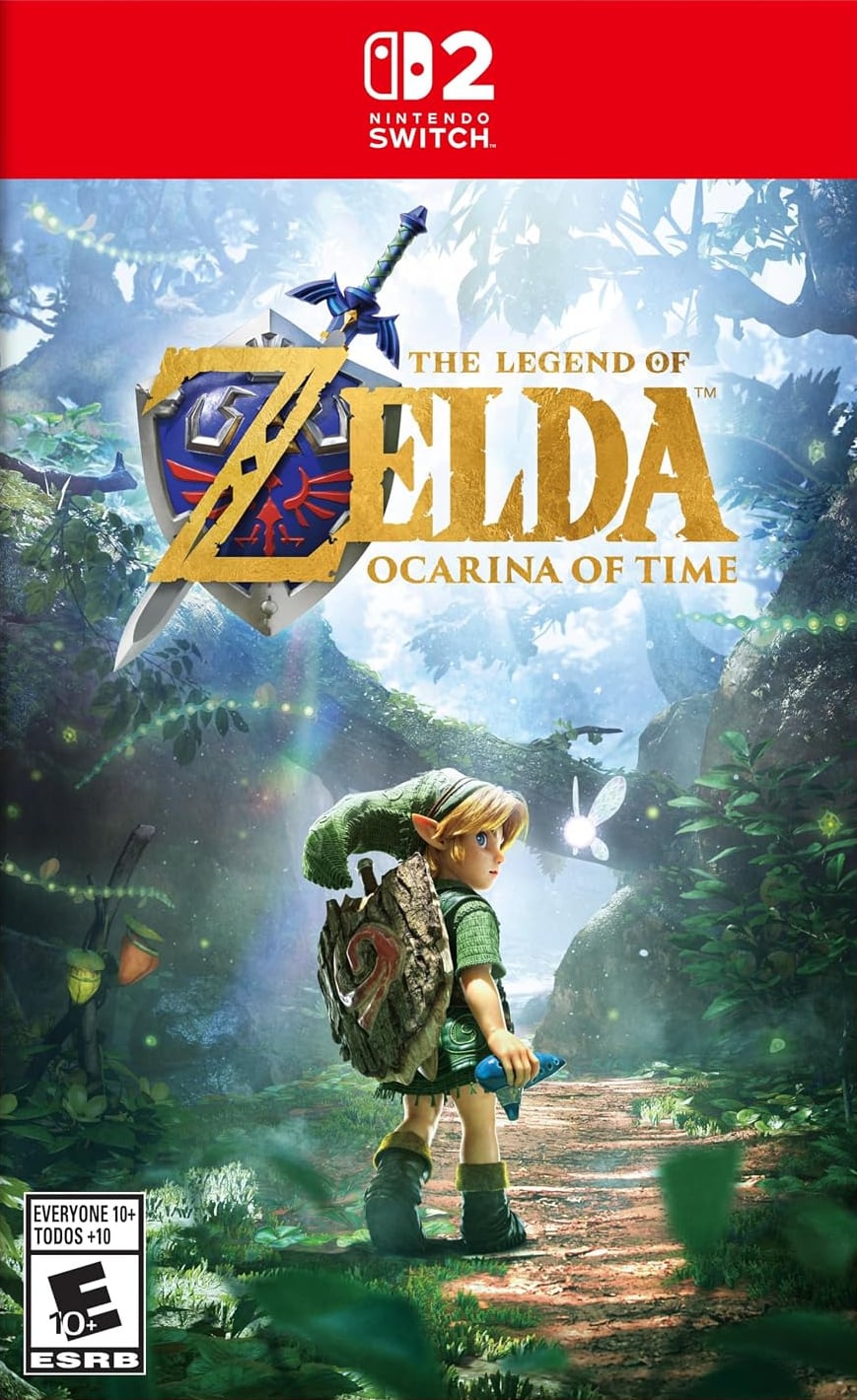
The Legend of Zelda: Ocarina of time (2026)
Platform:
Nintendo Switch 2
Genre:
Action-Adventure
Series
The Legend of Zelda
Publisher:
Nintendo
RELEASEd:
November 5, 2026
LENGTH:
Approx. 20-30 hours
Mode:
Single Player
Strengths
Has a great story told through cinematic gameplay and visuals.
Much more depth to the gameplay, world, and story when compared to the original.
Excellent design with the characters, architecture, and settings.
Weaknesses
Needs stronger puzzle design.
Bosses and combat could have been a bit more challenging.
Voice acting could have had a couple retakes for the English dub.
Ratings
Final Verdict
4.5
Average of the Categories