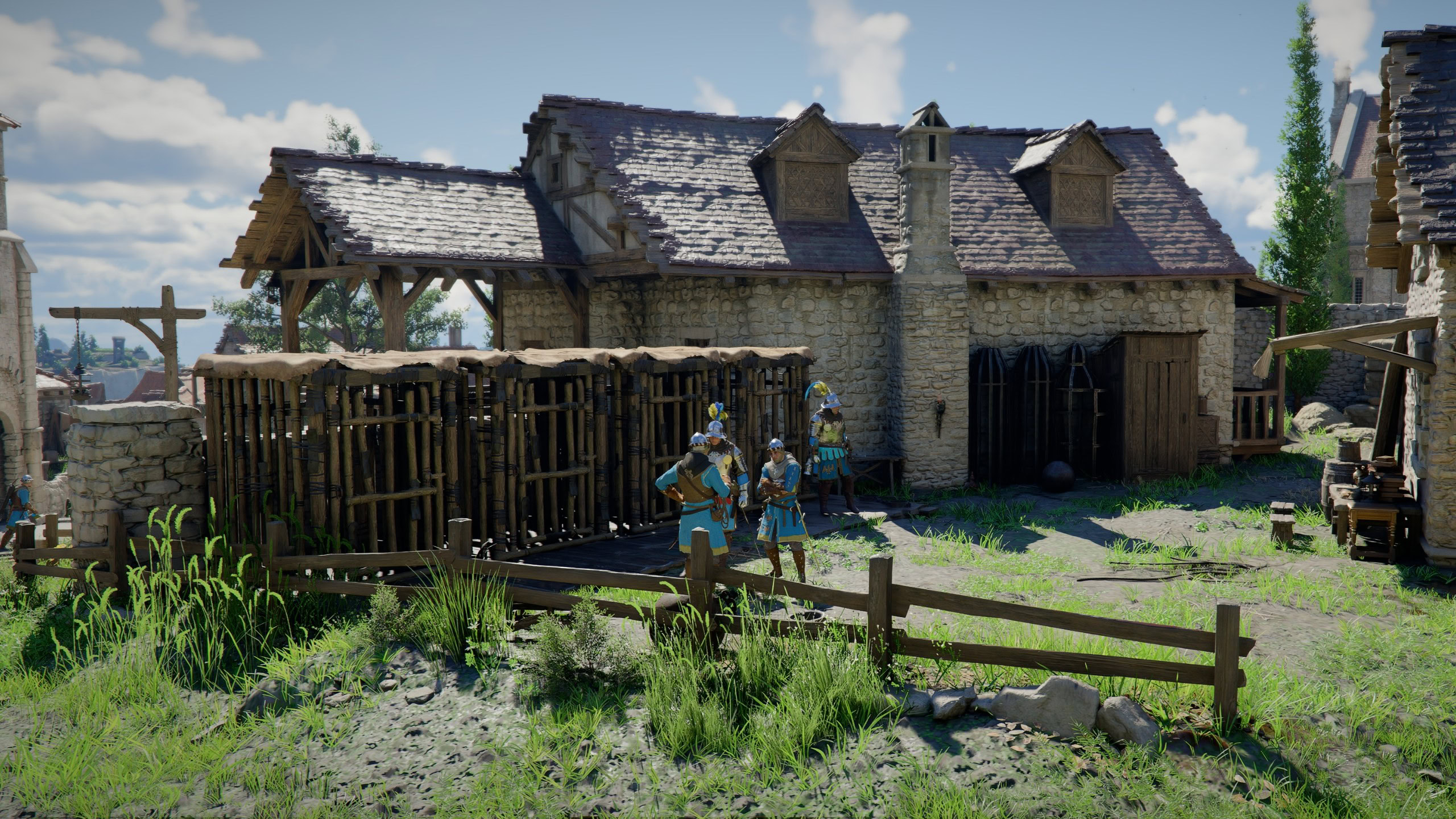

Everything you need to know about Crimson Desert’s crime system, including the advantages and disadvantages of stealing, and how to do it properly.
Consequences
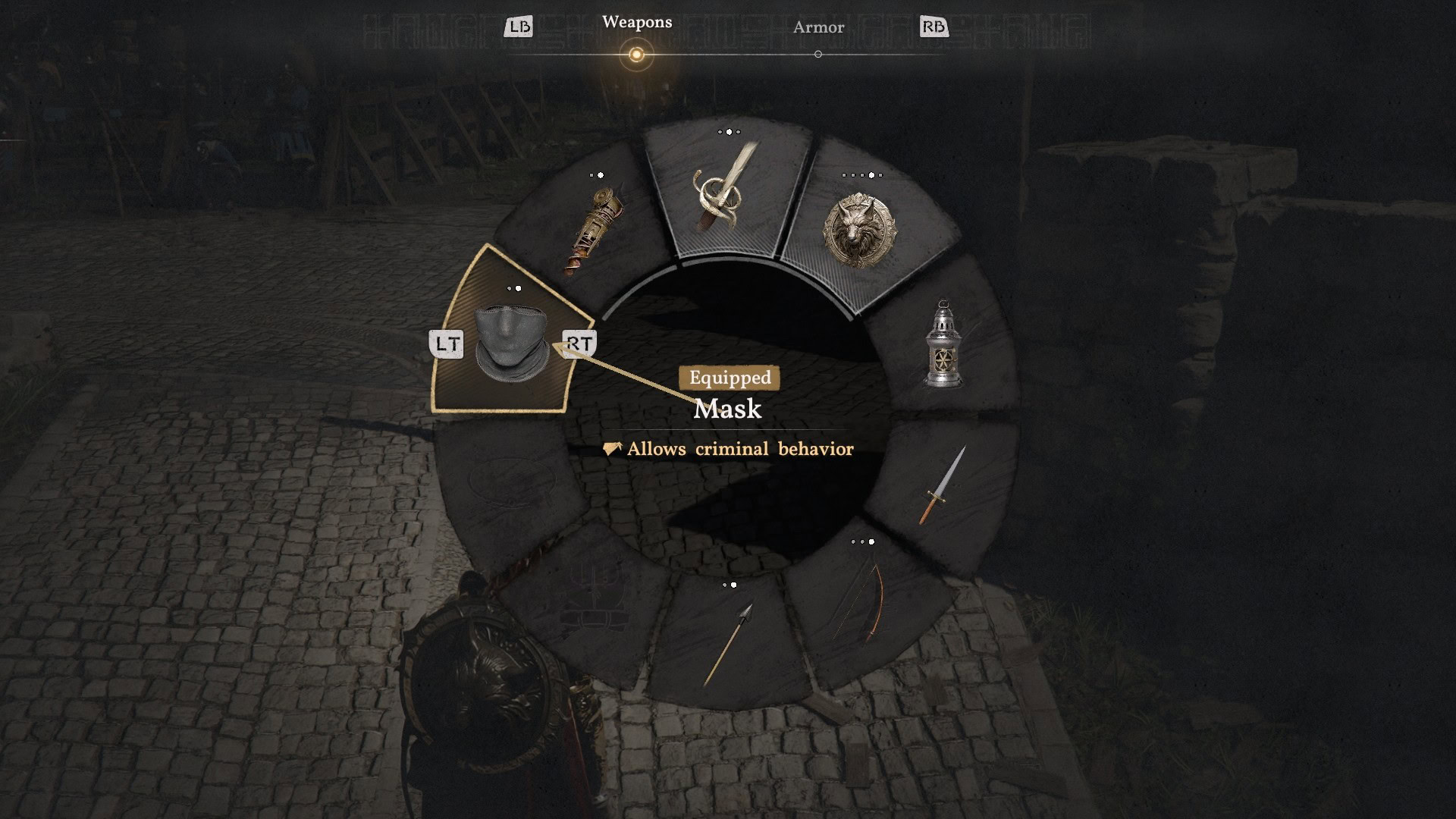
You can’t commit crimes in Crimson Desert unless you’re wearing a mask. If you get caught and sent to the constabulary, you’ll lose all your masks and have to pay a fine, but you do not have to give back anything you stole.
Your wallet can go negative if the fine is bigger than the amount you have on hand. It’s possible that banking is a protection against this but given that you need 100 silver + a gold bar (worth 500 silver) to open an account, you’ll probably be able to afford the fine by the time you can make your first bank deposit.
Each time you commit a crime, a few things happen:
- A notification pops up with a timer attached to it that specifies the crime you committed, and further crimes of the same type partially refill it
- If you stole something, you get to keep it
- If you get spotted, you lose points with the region’s Contribution and will have to pay a fine
- If you do enough crime and people see, you’ll have a bounty placed on your head and guards will try to catch you
Crime Timer
As soon as you commit a crime, a timer pops up in the corner that specifies the crime you committed. If you get spotted by someone else while that timer is active, they will call the guards or try to fight you.
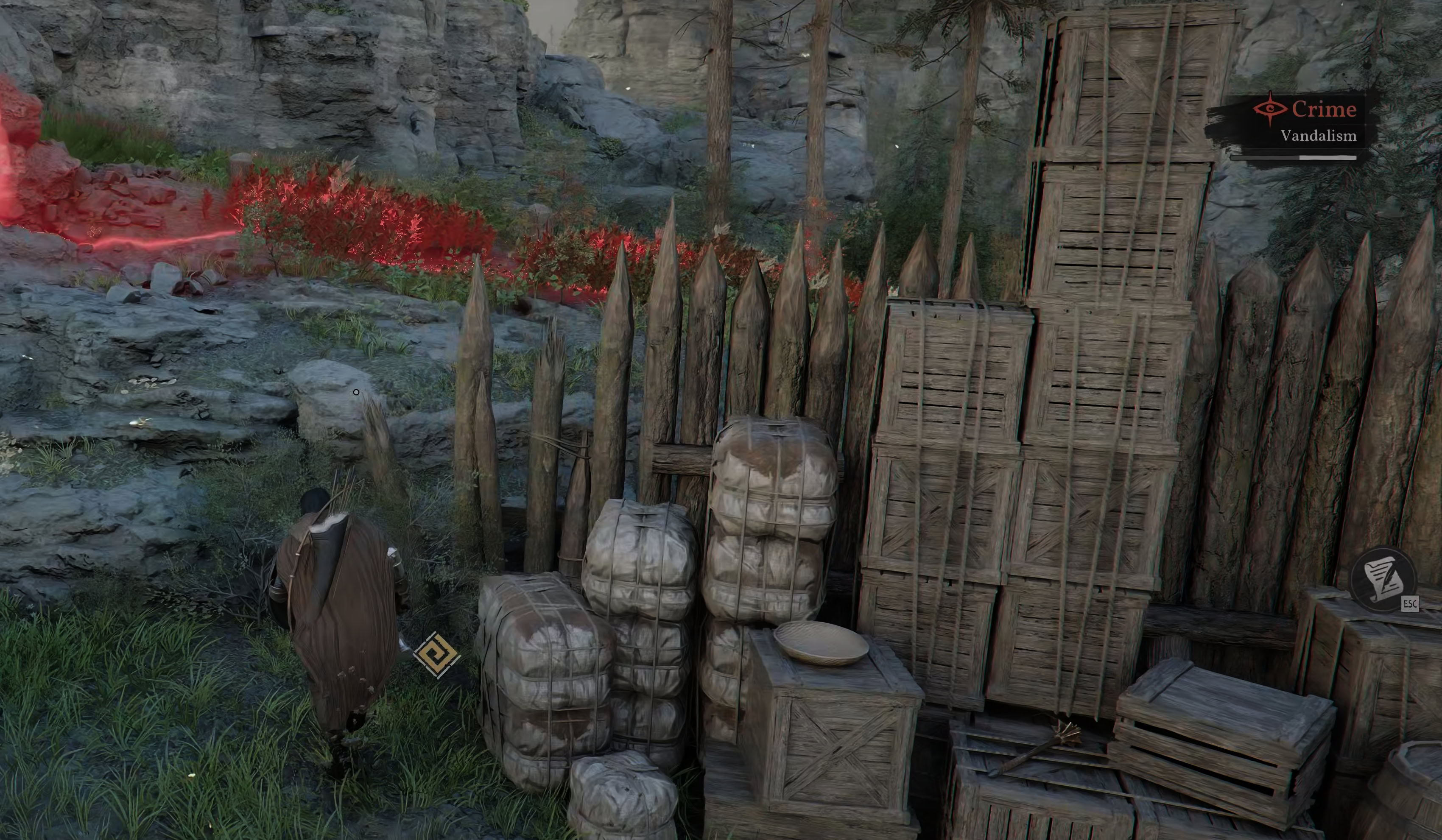
The first crime fills up the timer completely, and subsequent crimes just refill part of the bar, so you have an incentive to be quick about stealing stuff.
You can also just escape the scene of the crime (and not come back until the timer has expired) to evade notice.
Loot
The main benefit of committing crimes is the loot you steal along the way. If you steal stuff, you get to keep it, even if you get caught and locked up. That loot can be worth quite a lot of money, or it could be something rare like a book with recipes or a fancy dye.
The best stuff is hardest to find, usually behind locked doors, in guarded secret rooms, or has a puzzle attached to it.
Contribution Penalty
Every time you get spotted for committing a crime, you lose points with the region’s Contribution level. This is a flat cost that only depends on the type of crime you commit, not the severity of said crime.
For example, you will lose 5 points if you steal something, whereas you will lose 30 points if you assault someone, but it does not matter if you assault a noble or a commoner, you will lose 30 points either way.
Prior to Update 1.01.00, you would receive this Contribution penalty as soon as you committed the crime, regardless of whether anyone spotted you. Now, you only lose points if you’re spotted.
Types of Crimes
There are 6 types of crimes you can commit, Vandalism, Theft, Harming Livestock, Threatening Violence, Assault, and Murder.
Vandalism
Vandalism is the name of the crime associated with “destruction of property”, so if you break someone’s bookshelf, that counts as Vandalism. Unlike other crimes, Vandalism does not carry a Contribution penalty.
You can still get fined if you break enough stuff and others spot you.
Harming Livestock
Harming Livestock is the name of the crime associated with attacking or killing animals owned by NPCs. You can’t hurt or steal these animals unless you’re wearing a mask.
Theft
Theft is the name of the crime associated with taking items that don’t belong to you. It can only occur while you have a mask on while looking at an item (LB/LT/CTRL) by pressing the steal button (A/✖/R). Theft is -5 Contribution per item stolen.
You can’t steal anything unless you’re wearing a mask. If you get caught and sent to the constabulary, you’ll lose all your masks. They drop from bandits, and you can buy them from illicit vendors.
There is no plausible deniability with Theft, so you get in trouble even if you steal something from bandits who stole it from someone else. Oftentimes, bandits are just squatting in someone else’s camp or settlement.
The game does not let you commit “armed robbery”, either. Once you engage in combat, you can’t steal anymore, and you get a bounty on your head.
For example, once you can tackle and tie up the shopkeeper, that puts you in combat, so you can’t rob his shop, even if no one else saw, and even though you were necessarily wearing a mask.
The fine for stealing is equivalent to the sale price of whatever you were spotted stealing. For example, if you steal a book that can be sold for 4.78 silver and someone spots you, you’ll get a fine for 4.78 silver.
Threatening Violence
Threatening Violence is the name of the crime associated with swinging your weapons around or initiating other attacks near other non-hostile people, assuming you manage not to actually harm anyone in the process, which constitutes Assault.
Assault
Assault is the name of the crime associated with attacking non-hostile NPCs, like civilians or guards. The Threaten option that appears next to each NPC when you’re wearing a mask actually causes you to tackle them, and that counts as Assault. Don’t pull out your sword if you’re in a populated area. Assault is -30 Contribution per attack.
Murder
Murder happens when you kill a non-hostile NPC, like a civilian or guard. It is also considered Murder if you attack bounty hunters first, but you’re allowed to defend yourself with lethal force if they attack you or others. Murder is -100 Contribution per life taken, which is a whole level!
You can’t murder individuals you can have meaningful interactions with, like vendors and questgivers, but you will effectively erase your regional Contribution.
Getting Spotted, Pursuit, and Bounties
You get spotted if you commit a crime in the presence of a witness, as in Kliff has line of sight with another friendly NPC while the crime timer is ticking down.
As soon as you get spotted, you’ll lose Contribution. If you remain in the presence of witnesses until the crime timer ticks down, you’ll either get fined immediately or have a bounty placed on your head, depending on the level of crimes you have committed.
Basically, if someone spots you, you lose Contribution Points, but you have to flee the scene immediately or murder any witnesses to avoid being charged with a crime.
Pursuit in Crimson Desert works similarly to Red Dead Redemption 2, both of which are analogous to the “stars” system found in other games like GTA and Cyberpunk 2077. In fact, you can see your current crime level when purchasing a Writ of Absolution.
It’s much easier to evade pursuit than it is in something like Cyberpunk 2077. Once you defeat all the law men in the immediate vicinity, combat ends, but you have to contend with lingering consequences in the form of fines and bounties.
Pursuit happens when a bounty gets placed on your head and the guards engage you in combat. They will tackle and attack you. You’ll also get attacked if you walk up to a Constabulary if you’re wanted.
The price on the bounty goes up in real time and matches the fine you’ll be assessed when you leave the Constabulary. It maxes out at 100 Silver.
The higher the bounty, the greater the consequences, but bounties are regional, so you’ll have separate bounties for Hernand and Demeniss, for example.
You can’t teleport while you’re being actively pursued, and you’ll have a big red circle expressing the radius of other NPC’s awareness of you. Eventually, pursuers will give up, and the red circle will start flashing in place instead of tracking you.
After a certain amount of time, the pursuers will give up, or if you get out of the red circle, they’ll give up immediately.
If you’re not in good standing with the law (fined or bounty), you can’t deposit money into the bank or earn money from your investment.
If you’re Wanted, most non-Greymane NPCs will refuse to interact with you, so you’ll have to go back to Howling Hills or use a Back-Alley Shop if you want to sell something.
When you get spotted by bounty hunters or engage in combat near guards, they will try to tackle you and take you in. A quick time event (QTE) will play and if you press the correct button while it’s in the specified zone, you will break free.
Writ of Absolution
You can pay off your bounty or fine without getting arrested by obtaining a Writ of Absolution from any church, even one in a region where you’re wanted.
If you’re being actively pursued by guards, the church will lock their doors, so you need to wait until the heat dies down before seeking sanctuary.
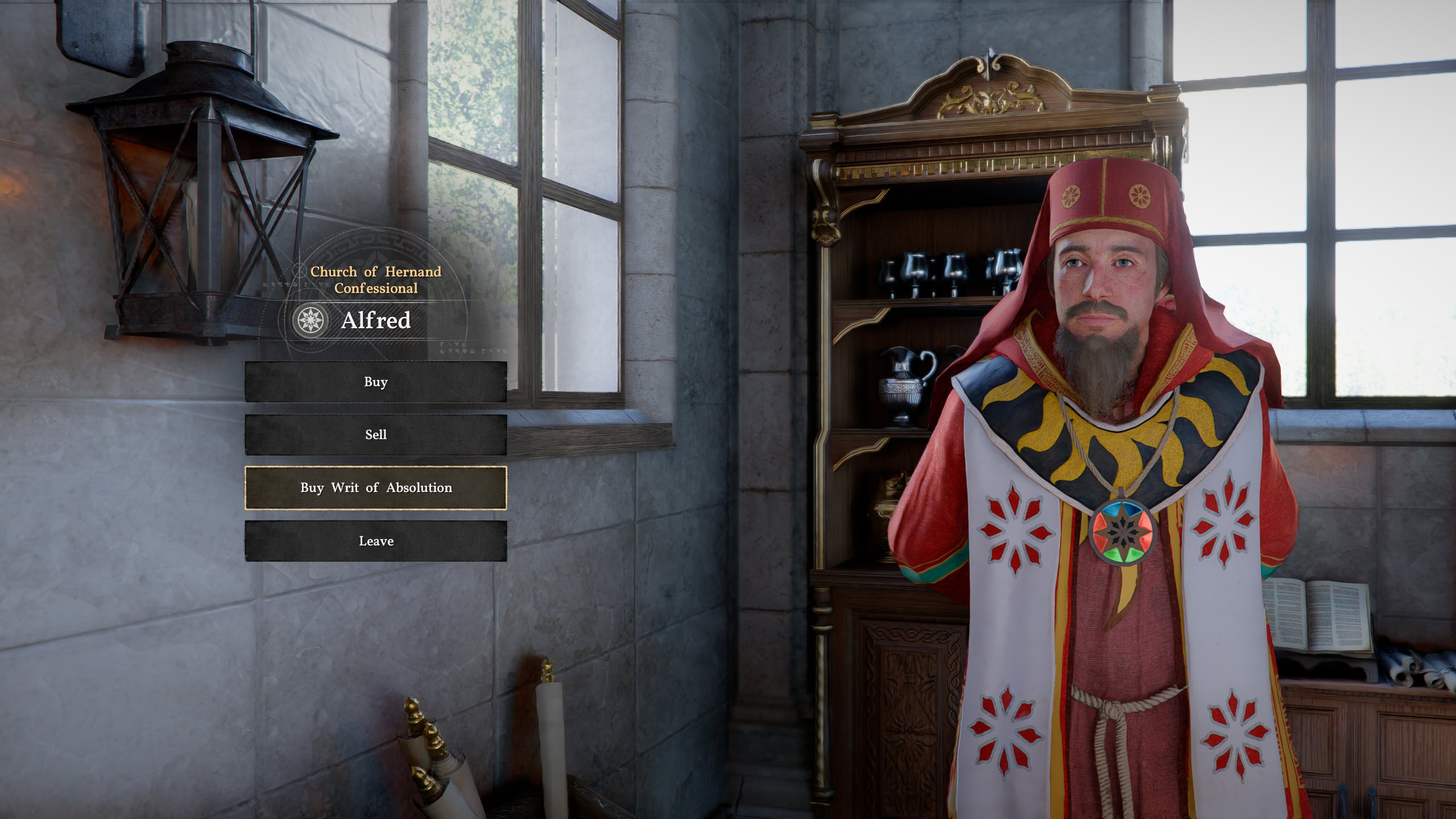
You can only interact with Church Confessionals during the day, and you don’t lose your masks if you turn yourself into them. You can also visit Constabularies to turn yourself in if you’re wanted (not just fined).
Contribution Shops
Contribution Shops sell very nice items in exchange for Contribution Medals you get from increasing your Contribution Level for the region. You increase your Contribution Level by doing things in the region that help it prosper, basically for completing Faction Quests.
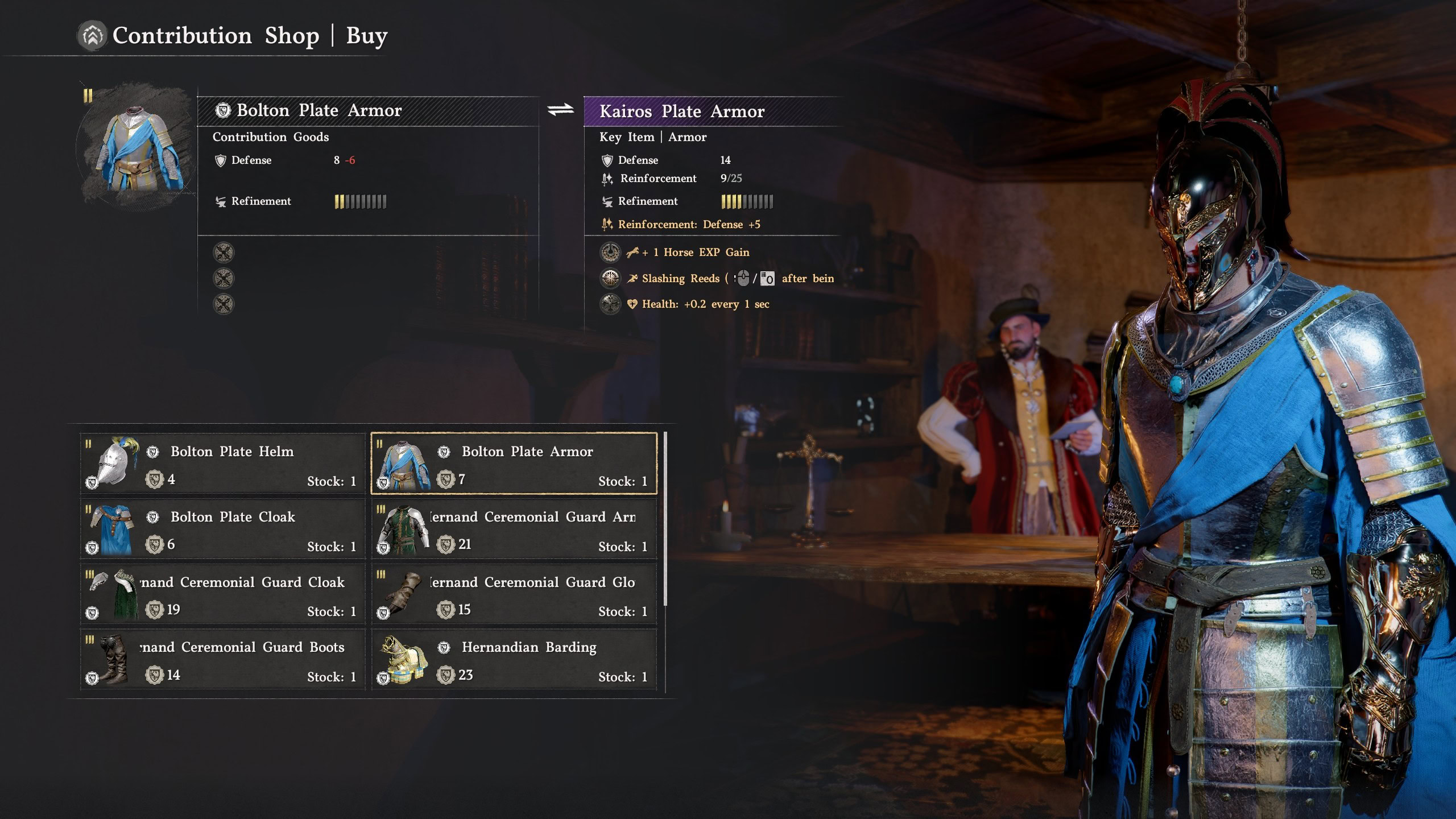
In essence, Contribution Shops are the prize box you get to pick from for being a good person. Items sold in the Contribution Shop are pretty valuable, so Contribution acts as the good karma foil to crime.
Is Stealing Worth It?
Yes. You can make quite a bit of money and find rare items from rummaging through peoples’ homes, but you do have to contend with criminality, Contribution penalties, and harder inventory management.
A lot of the stuff you can steal is not worth very much money and you don’t have the inventory space for all of it, so it’s not worth the time to completely clean out poor peoples’ homes.
Some experimentation is necessary, but you want to learn what the most valuable items are and only grab those. You get to see the prices only once something is in your inventory, or if it’s in a store, but that’s a lot riskier.
It’s not a good idea to become a thief if your plan is to scroll through some spreadsheet on your phone with the prices listed for every item in the game. That’s boring and tedious and you’re better than that.
Burglary isn’t that rewarding. You gotta use your brain and learn if you want to steal stuff.
It’s important to distinguish stealing stuff (and not getting caught) from exploring Pywel as a criminal. Crimson Desert is not an RPG and the game really isn’t set up to work with you being an outlaw everywhere.
What to Steal
The “optimal” way to play involves only stealing the good stuff, so you don’t waste your own time managing low inventory space as you grab everything that isn’t nailed down.
As a result, this section will focus on identifying high-value items and deciding what to steal.
Quick Thief Checklist
- Target the Rich: Prioritize noble estates and puzzle-locked cabinets.
- Don’t steal visually worthless items: Check item names and judge their value based on that. The game does it too.
- Container hierarchy matters: Large, fancy, decorated and shining boxes and chests will contain more valuable items.
- Knowledge is important: Equipment, books and recipes are everywhere.
Detailed Looting Strategies
In general, items are named according to their value, so an “Acclaimed” painting is worth more than a “Study”, and gold finery is worth more than silver, though that doesn’t necessarily mean either is worth nabbing.
The source gives you a big clue as to the value of a given item. Something locked inside a fancy cabinet with a puzzle on it is going to be more valuable than anything else in the building. Larger estates often have secret passages or special locked doors, and you’ll often find the best goodies there, too.
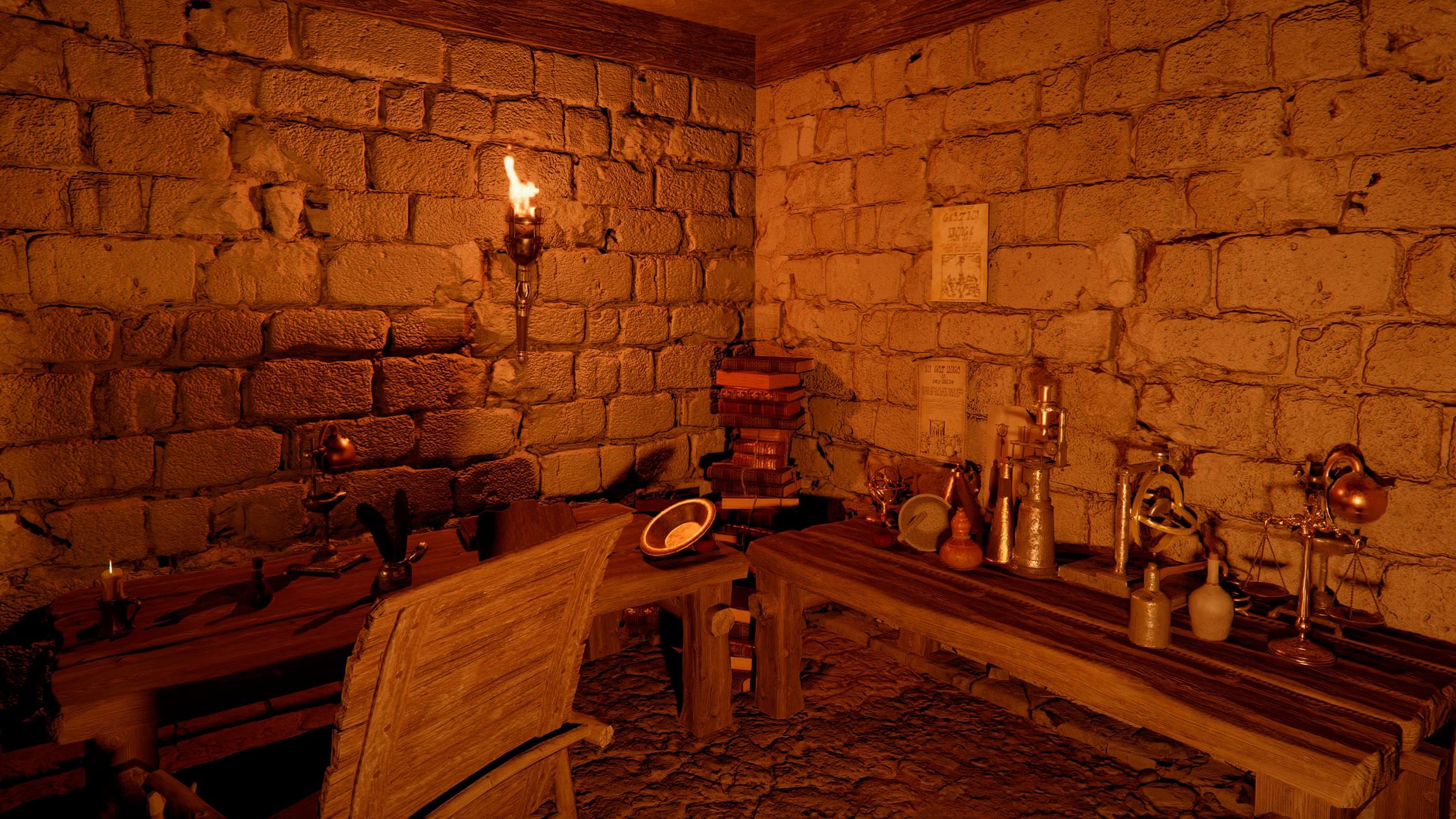
Likewise, you’re going to find better goodies lying around on a table in a noble’s estate than you are digging through some random chest in a fisherman’s house.
Regardless, I don’t think either is guaranteed to be worthwhile, and I don’t recommend stealing anything that doesn’t stack to be worth at least 1-2 silver. As you accrue more wealth throughout the game, raise your minimum standard in kind.
Jewelry Boxes, Strongboxes, and Wooden Boxes consistently have something decent in them (you can open them in your Inventory like bags of coins), at least to where you’ll break even.
The type of box is indicative of what’s inside. No one is putting a priceless diamond necklace in a cardboard box, so make sure the boxes are at least somewhat elaborate.
| Box Type | Icon | Random Contents |
|---|---|---|
| Strongbox | 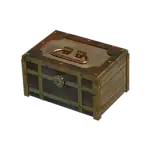 | > 1.5 Silver |
| Jewelry Storage | 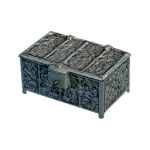 | Necklace |
| Jewel Box | 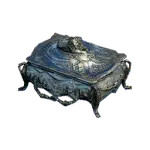 | Gemstone |
| Wooden Box | 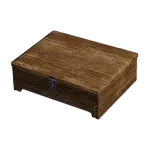 | Crafting Book |
| Document Storage | 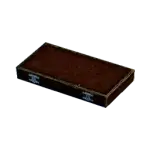 | Crafting Book or Recipe |
| Iron-Adorned Storage | 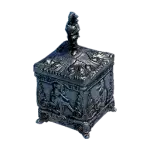 | < 1 Silver, Varies |
| Sturdy Wooden Box | 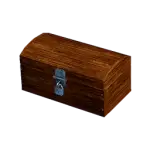 | < 0.50 Silver |
| Engraved Wooden Box | 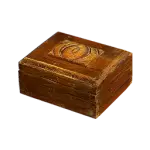 | 1-2 Plant Seeds |
| Multipurpose Wooden Box |  | 7-10 Plant Ingredients |
Small Wooden Boxes get auto-opened before entering your inventory but have the same contents as Sturdy Wooden Boxes. You only find them inside Drawers and Cabinets and they’re never worth the trouble.
The only kind of thing that’s ever worth opening to loot is always labeled as a Chest. Keep your eyes peeled for fancy glowing treasure chests as well (they are not part of the crime system but are often in places you would enter to steal items).
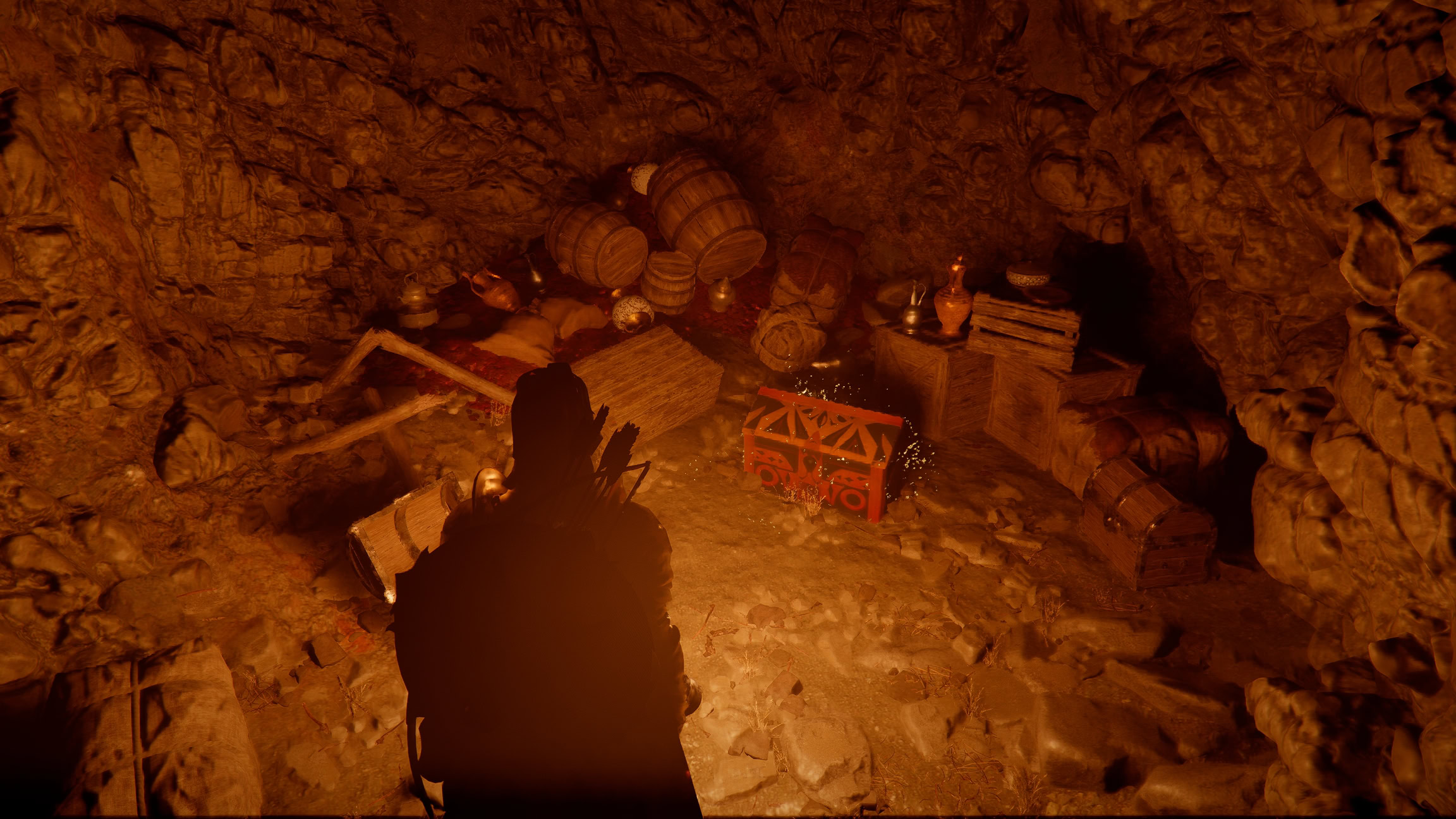
The best stuff to steal doesn’t respawn but always keep your eyes peeled for anything that has the word “Gold” in it. The Gilded Bottles and Vases are also worth a decent chunk of change, as are the Silver Water Bottles (the misnamed teapots).
There are also a few items that don’t seem like they’d be worth much but are, in fact, worth quite a bit of coin. The most notable example I’ve come across is the statuette, “Woman Holding a Water Bottle”, which is worth several Silver.
Equipment and Knowledge are pretty consistently worth picking up, so long as you don’t recognize it as one of the cheapo generic types, like Bekker or Glenmore. By Knowledge, I mean things like recipes, books, and treasure maps.
Those little pieces of paper have consumable information on them and then you can sell them to a vendor, often for a pretty penny.
Selling Loot
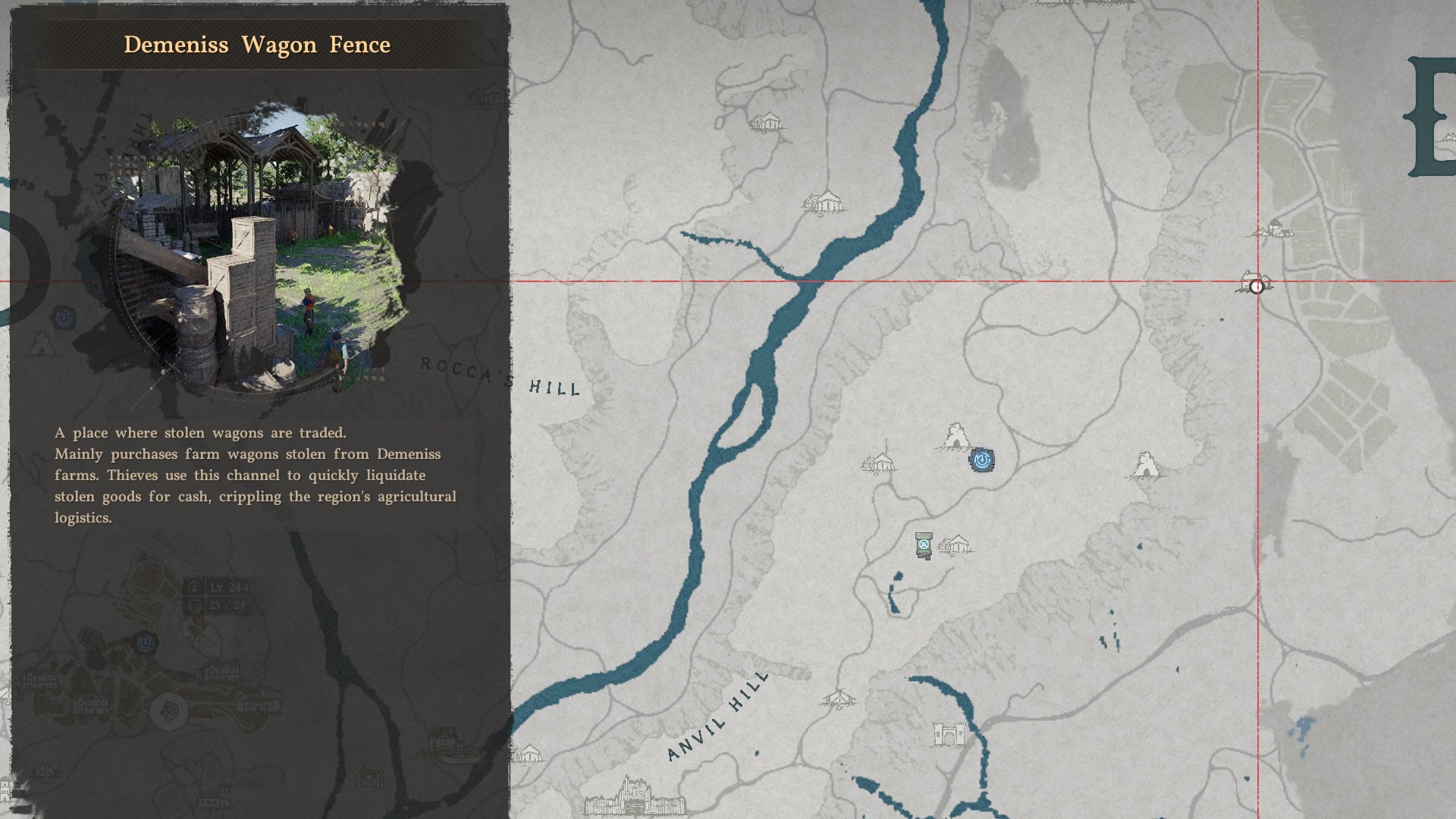
The game doesn’t care about who you sell your items to. All vendors are the same in that respect. There are no “fences” for stuff in your inventory, though you can fence horses and wagons. It’s not worth the time, though.
Great Thief’s Gloves
There’s a Faction Quest for House Serkis in Hernand called “Secret of the Lost Seal” that makes you go on a guided scavenger hunt for a missing seal and whoever stole it.
At the end, your reward is the Great Thief’s Gloves, which are a special piece of non-upgradeable equipment that have the passive effect to let you steal something without anyone noticing, but the effect has a 30 min cooldown.
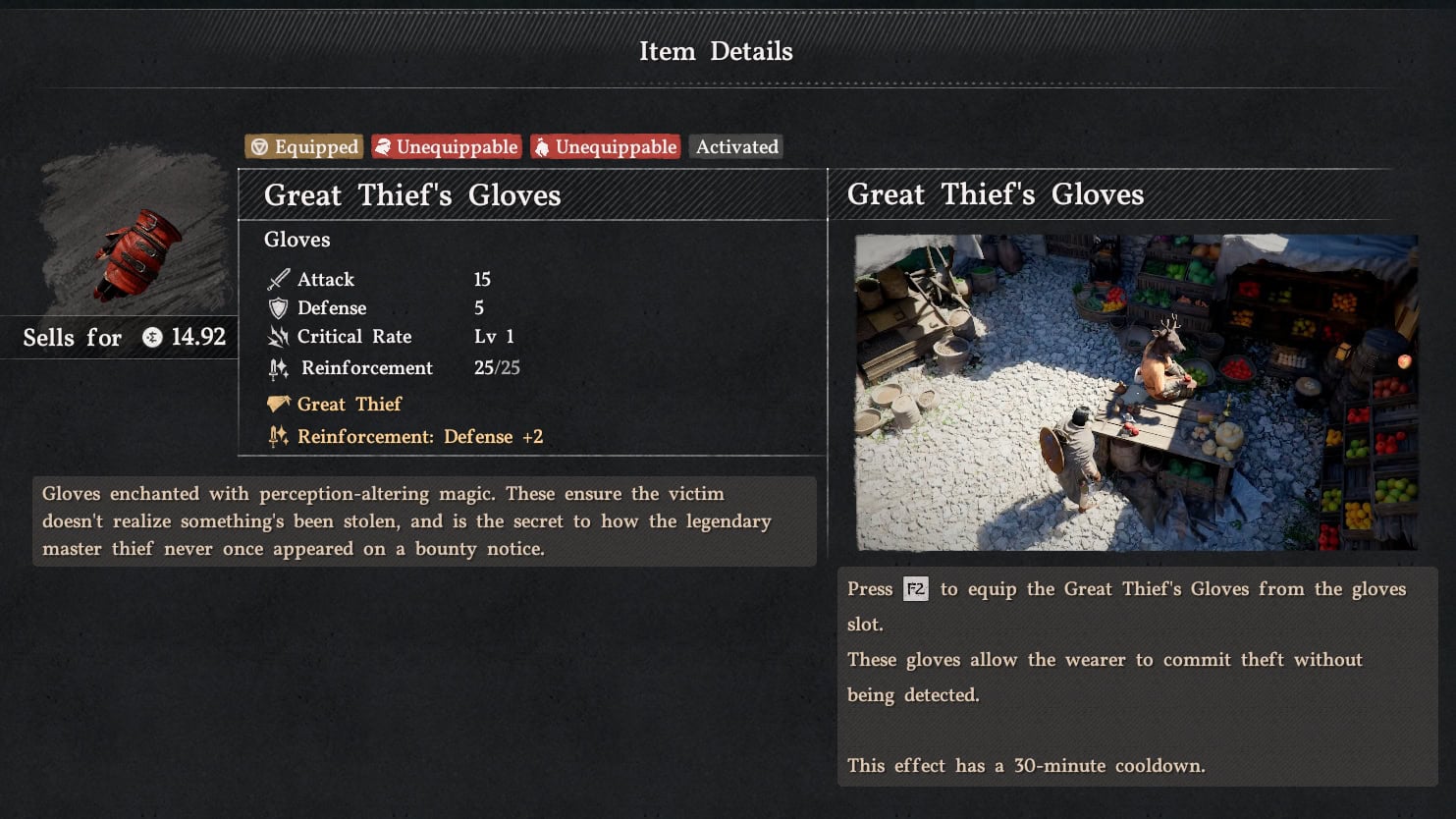
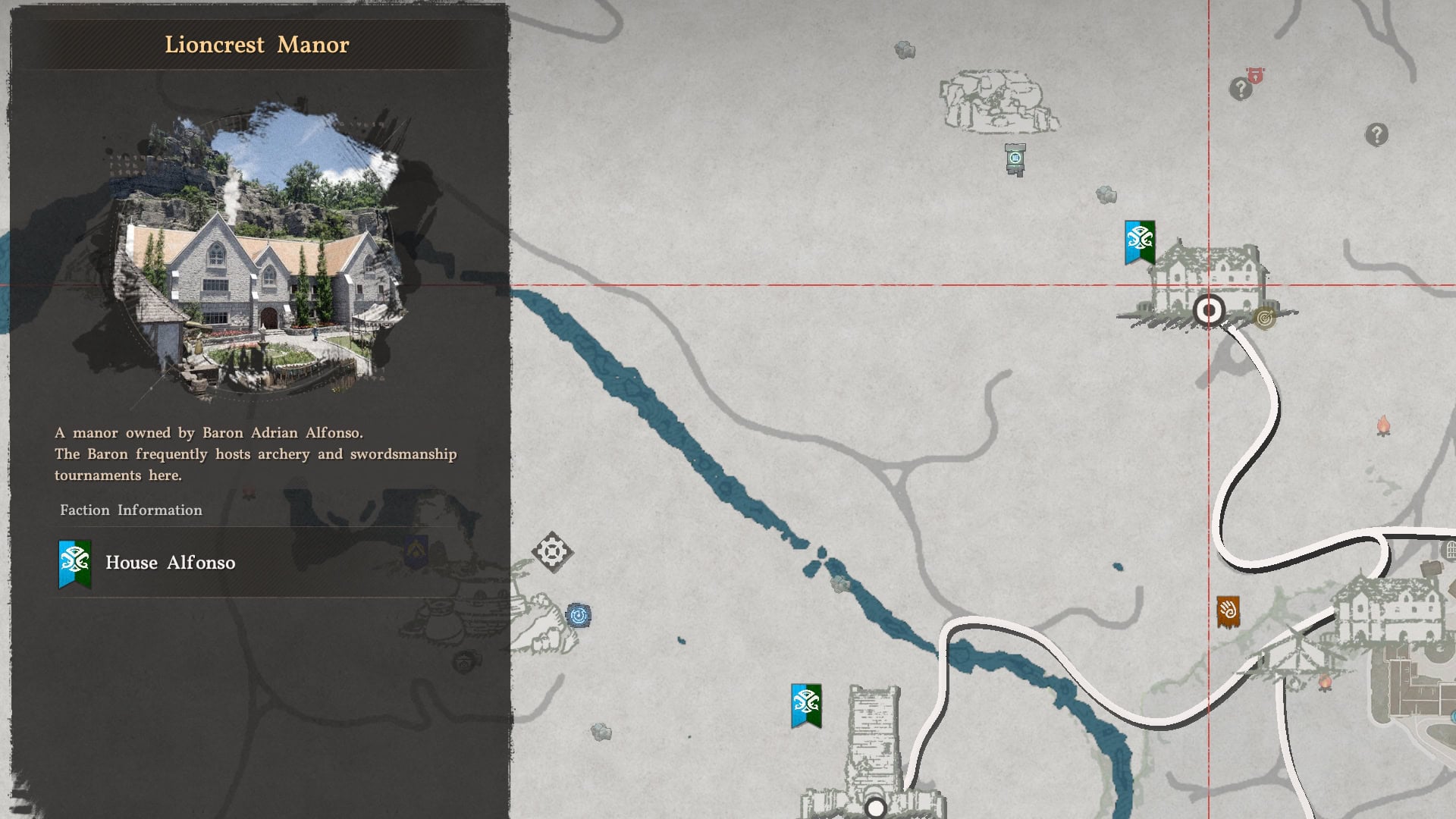
They’re great for stealing things in the middle of a crowded or heavily guarded area, like the Gold Bar in the fireplace at Lioncrest Manor on the outskirts of Hernand Town.
It also works for stealing livestock and mounts.